Shoulder Dislocation Surgery
– Treatment of Shoulder Joint Instability
What are shoulder joint instability and shoulder dislocation?
The shoulder joint is one of the most complex joints in the human body, providing the arm with a high degree of mobility and flexibility. However, this wide range of motion presents a higher risk factor for injuries.
The complexity and vulnerability of the joint often lead to shoulder joint laxity and shoulder dislocation.
- Shoulder joint laxity, or shoulder instability, is most often based on genetic factors, but trauma can also be the cause. Shoulder instability means that the shoulder joint does not properly hold the humerus, which can lead to dislocations or subluxations. This displacement, as mentioned, can be complete or partial.
- Shoulder dislocation is a very painful condition. In this state, the head of the humerus moves out of its place, or socket. This displacement can be complete or partial.
- In cases of general shoulder instability, the head of the humerus does not completely leave the socket. The patient feels that their muscles are weak, and an uncomfortable, unstable sensation may occur during overhead movements. Frequent accompanying symptoms include pain, mild swelling, and a clicking sound. These symptoms are particularly common in individuals with loose connective tissue.
Shoulder dislocation is an extremely painful condition, and its symptoms are visible. Due to the displacement, the patient adopts a forced posture. The affected limb cannot be moved at all. In this state, even walking and performing simple movements cause extremely severe pain. In the event of a shoulder dislocation, prompt medical attention is essential.
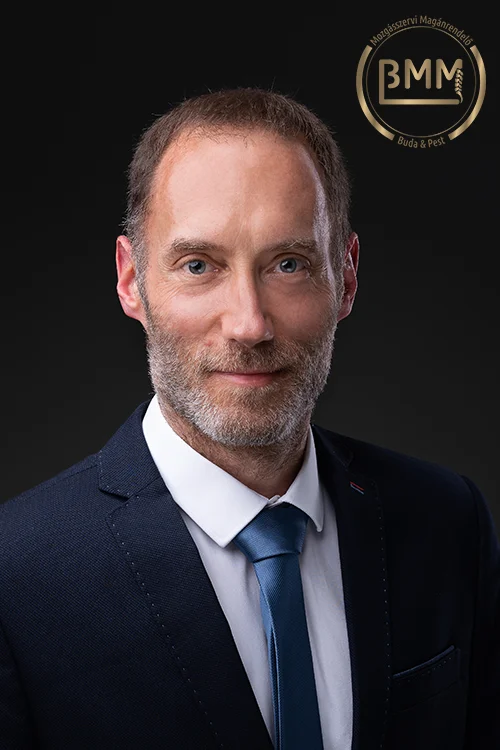
Dr. Bálint Major
Shoulder Specialist
Chief Orthopedic Traumatologist
Online appointment booking for the Bokor Street clinic:
Please select the service that suits you
The follow-up fee is valid for 3 months after the initial examination for the same complaint.
- 1. Select the requested service from the drop-down menu!
- 2. Use the calendar to choose a suitable appointment time!
- 3. Register by entering your details, or log in with your previous registration!
- 4. If you wish to book on behalf of another person (e.g., your child), please indicate this in the designated field!
- 5. Briefly describe your complaints!
- 6. Select the type of consultation: initial examination, follow-up examination, or prescription.
- 7. Click the button to complete the appointment booking. Thank you for choosing BMM!
If you are unable to attend your scheduled appointment, please notify us of your cancellation at least 24 hours in advance. This allows other patients the opportunity to receive timely medical care. Thank you for your cooperation and understanding!
Cancellation: +36 1 44 33 433
If you cannot find an available appointment for your selected week, please call our call center at +36 1 44 33 433 for further assistance! Our staff will be happy to help you schedule an appointment with your chosen physician or another specialist according to your complaint.
Types of Shoulder Dislocations – Which are the most common?
Shoulder instability can be caused by several factors:
- Traumatic injuries, such as falls or sports accidents, directly affect the shoulder. Traumatic events can cause shoulder dislocation, and the soft tissues of the joint can also suffer severe injury, e.g., muscle rupture, cartilage detachment.
Repetitive, strenuous overhead movements can gradually damage the joint, leading to inflammation and various unstable conditions. - Genetic predisposition and anatomical abnormalities can also be underlying causes, increasing the risk of shoulder dislocations. In such cases, the joint capsule is composed of connective tissue that is slightly more elastic and looser than average. Individuals with this type of genetic trait are more prone to subluxations.
- There is also a third type of shoulder dislocation. In this case, some muscles of the rotator cuff do not function properly. During muscle use, their spontaneous contraction and relaxation do not occur, which can lead to posterior dislocation of the shoulder. This type of dislocation is activated by certain movements and arm positions.
Shoulder dislocations can also differ in their direction:
- In the vast majority of cases, approximately 95%, an anterior-inferior dislocation occurs. This primarily affects young and active individuals who lead sporty lifestyles.
- Posterior dislocation is extremely rare, usually occurring due to an epileptic seizure or electric shock. It can also be caused by the aforementioned muscle dysfunctions.
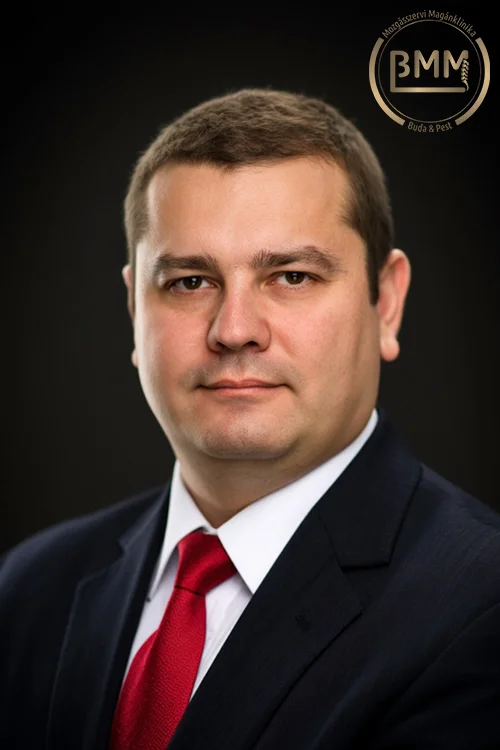
Dr. Balázs Gloviczki PhD
Chief Orthopedic-Traumatologist, Shoulder Specialist
Online appointment booking for Budafoki út clinic:
Please select the service that suits you
The fee for a follow-up consultation is 35,000 Ft, within 3 months after the initial examination, for the same complaint.
- 1. Select the requested service from the drop-down menu!
- 2. Use the calendar to choose a suitable appointment time!
- 3. Register by entering your details, or log in with your previous registration!
- 4. If you wish to book on behalf of another person (e.g., your child), please indicate this in the designated field!
- 5. Briefly describe your complaints!
- 6. Select the type of consultation: initial examination, follow-up examination, or prescription.
- 7. Click the button to complete the appointment booking. Thank you for choosing BMM!
If you are unable to attend your scheduled appointment, please notify us of your cancellation at least 24 hours in advance. This allows other patients the opportunity to receive timely medical care. Thank you for your cooperation and understanding!
Cancellation: +36 1 44 33 433
If you cannot find an available appointment for your selected week, please call our call center at +36 1 44 33 433 for further assistance! Our staff will be happy to help you schedule an appointment with your chosen physician or another specialist according to your complaint.
How can shoulder dislocation be treated?
Depending on their type, different treatment protocols are warranted. In cases of shoulder dislocation, the most important aspect is to reposition the displaced limb as soon as possible. Repositioning is always performed by a physician. It is not advisable to attempt repositioning at home, as this could cause further harm.
- First, an X-ray of the dislocated shoulder is taken.
- Based on this, the physician diagnoses whether only a minor displacement has occurred or if surrounding tissues are also injured. They check for ruptures in muscles or ligaments, cartilage fractures, or bone damage.
- If there is no serious tissue damage, manual repositioning is performed. In this case, it is very important for the patient to relax their muscles and entire body as much as possible. A pain-relieving injection may be administered for this purpose. If the patient is still unable to relax their muscles, the limb's position is restored under anesthesia.
- In cases of more severe injury (fracture, rupture), surgical treatment of shoulder dislocation is necessary.
- Shoulder stabilization surgery can be performed via open incision, but it is most commonly done using an arthroscopic method.
- The operation can also be an ideal solution for recurrent shoulder dislocations.
- The operation can be an ideal solution not only in traumatic cases but also for recurrent shoulder dislocations.
- In all cases, the goal is to prevent repeated dislocations and restore the healthy functions of the shoulder joint.
When is conservative therapy a good choice, and when should shoulder dislocation surgery be considered?
Shoulder instability can be treated with various methods, depending on the type of shoulder dislocation. BMM shoulder surgeons, including Dr. Bálint Major, recommend surgery only when it is absolutely necessary. Patients receive thorough information about potential surgical solutions.
Shoulder dislocation surgery
– Most commonly recommended in traumatic cases. In such instances, joint damage occurs simultaneously with the dislocation. A torn muscle or ligament, or a fractured cartilage, cannot be healed with conservative therapy. In these situations, the specialist recommends arthroscopic or open shoulder surgery to repair the tissues. Shoulder dislocation surgery and subsequent appropriate post-operative physiotherapy can restore the possibility of sports and a full life.
In the case of shoulder dislocation surgery, it is important to know that most of the range of motion can be regained 3 months after the surgery. At this point, certain types of sports can be performed, but full recovery can be discussed 6 months after the incident.
Conservative therapy
– In the long term, it primarily involves physiotherapy. It is optimal if the shoulder dislocation occurred due to the patient's connective tissue laxity. That is, a genetic predisposition, not trauma, is the underlying cause.
In non-traumatic shoulder dislocations, the shoulder is manually repositioned, but it is crucial to rest and protect the arm appropriately afterward. This includes wearing an arm sling (for a few weeks as instructed by the physician) and avoiding overhead movements.
Conservative therapy may also include medication to relieve pain and swelling. In some cases, steroid injections may be administered to alleviate symptoms.
To prevent recurrent dislocations, it is essential to strengthen the muscles and increase shoulder stability long-term.
Shoulder Dislocation Surgery
Arthroscopic Stabilization Surgery
The arthroscopic procedure is a minimally invasive method where the physician performs an intervention on the shoulder joint through small incisions. With the help of a special camera (arthroscope) placed in the shoulder, they can visualize and treat joint damage. Arthroscopic shoulder dislocation surgery may be necessary depending on the severity and nature of the injury. The advantage of this type of surgery is that it results in smaller scars and generally a shorter rehabilitation time compared to traditional open surgery.
Latarjet Procedure
During the Latarjet procedure, the surgeon transplants a bone fragment into the shoulder joint, thereby improving its stability and preventing further dislocations. The surgery can be particularly ideal for those for whom previous interventions have not yielded lasting results or whose specific nature of shoulder dislocation (e.g., multiple dislocations) requires stronger stabilization.
In both surgical procedures, the main goal is to restore shoulder joint stability and reduce the risk of dislocations. After shoulder stabilization surgeries, special attention must be paid to rehabilitation and physiotherapy to ensure the shoulder's proper range of motion and strength.

Post-operative Physiotherapy for Shoulder Dislocation Surgery
Physiotherapy is crucial for recovery after shoulder dislocation surgery. An individualized physiotherapy program designed with the help of an expert physiotherapist helps restore shoulder movement, strength, and functionality.
It is essential not to start moving the limb independently after a shoulder dislocation (whether after shoulder dislocation surgery or conservative therapy). Incorrectly performed movements do more harm than good.
A physiotherapist knows exactly how to facilitate the most optimal recovery. In addition to mobilization exercises, optimal strengthening is also necessary, but one must be very mindful to regain healthy functions.
Depending on the condition, physiotherapy sessions not only involve exercises but also manual techniques and physical therapy tools may be used by the physiotherapist, e.g., laser therapy, shockwave therapy, or TR therapy.
It is extremely important that the therapist always uses the most relevant treatment method, which is individually adapted to the patient's problem.
Home Rehabilitation
Physiotherapy sessions do not end in the clinic! Home exercises are also very important. For this purpose, the physiotherapist gives the patient homework, which helps them recall and practice the active tasks performed during the session.
Exercises performed jointly with the therapist and individually at home are essential for full recovery after shoulder dislocation and to prevent recurrent dislocations.
Most common complaints treated by our shoulder specialists:
Patient Testimonials
Our Shoulder Specialist
Dr. Bálint Major
Shoulder Specialist Chief Orthopedic Traumatologist
Dr. Balázs Gloviczki PhD
Chief Orthopedic-Traumatologist, Shoulder Specialist
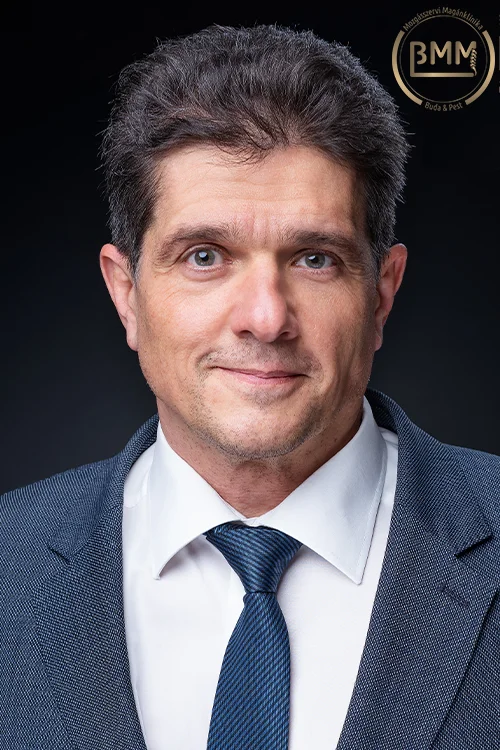
Dr. György Kocsis PhD
Orthopedic-Traumatologist, Chief Hand Surgeon, University Assistant Professor, Wrist, Elbow, and Shoulder Surgeon, Upper Extremity Specialist

Dr. Ferenc Tompai
Chief Orthopedic and Trauma Surgeon

Book an appointment by phone

Online Appointment Booking