Cheek fracture


Pain in the hand can make a lot of everyday activities difficult, so it’s important that if you experience any complaints in this part of the body, you get it checked out as soon as possible. The cheekbone is one of the eight hand bones, the fracture of which is most often the result of a fall. Because a fracture of the cheekbone (also known as a scaphoid fracture) often has no visible deformity and the pain subsides quickly, it is often not referred to a doctor. It may also be months or years before the fracture is discovered. It is then more difficult to treat the problem, but there is always a solution!
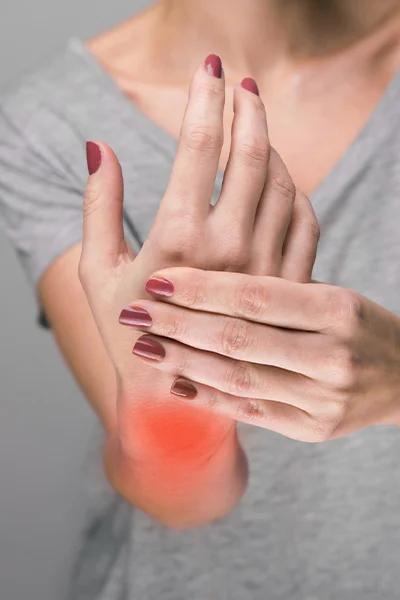
Anatomy of the cheekbone
The cheekbone is one of 8 tiny hand bones in the wrist. The carpal bones are arranged in two rows, and the cheekbone connects and stabilises these two rows. It is a fragile bone, so a scaphoid fracture is the most common of all carpal fractures.
Causes of fracture
Cheese fractures are most often the result of a fall. It typically occurs when a person falls forward with an outstretched hand and touches the ground leaning on their hand. Often people do not seek medical attention immediately because the pain from the fall usually subsides within a few days and there is usually no external sign of a scaphoid fracture other than a small swelling. It is therefore assumed that it is just a simple sprain of the wrist. It may also take months or even years before a diagnosis of scaphoid fracture is made.
Cheek fractures are a relatively common injury in athletes. It typically occurs in sports with a high risk of falls. Examples include skateboarding, martial arts, volleyball and parkour.
What are the symptoms of a cheese fracture?
The symptom of a scaphoid fracture is pain on falling , which typically subsides after a few days or a week or two, and a small swelling is often seen after the fall. The pain typically occurs when the wrist is bent backwards, for example when doing push-ups or when trying to get up from the ground by leaning on the palm of your hand. Over time, the range of motion of the wrist narrows, and you can bend it back less than you can the other wrist. In the case of a fractured cheekbone , the grip strength of the hand may also be reduced.
The diagnosis
Consult an orthopedics specialist for a diagnosis. The doctors at the Budapest Musculoskeletal Private Outpatient Clinic are waiting for patients in 3 locations in Budapest, in a friendly, family-like atmosphere.
The orthopedics examination starts with taking a medical history (anamnesis). The doctor will ask the patient about their symptoms, how and when they first appeared, what time of day they get worse, what other conditions they have, and also about their medication and previous illnesses.
Next comes the physical examination, during which the orthopaedic specialist will look at the painful area to check for any visible lesions, and then use palpation and palpation to obtain further important information – including an assessment of the joint range of motion.
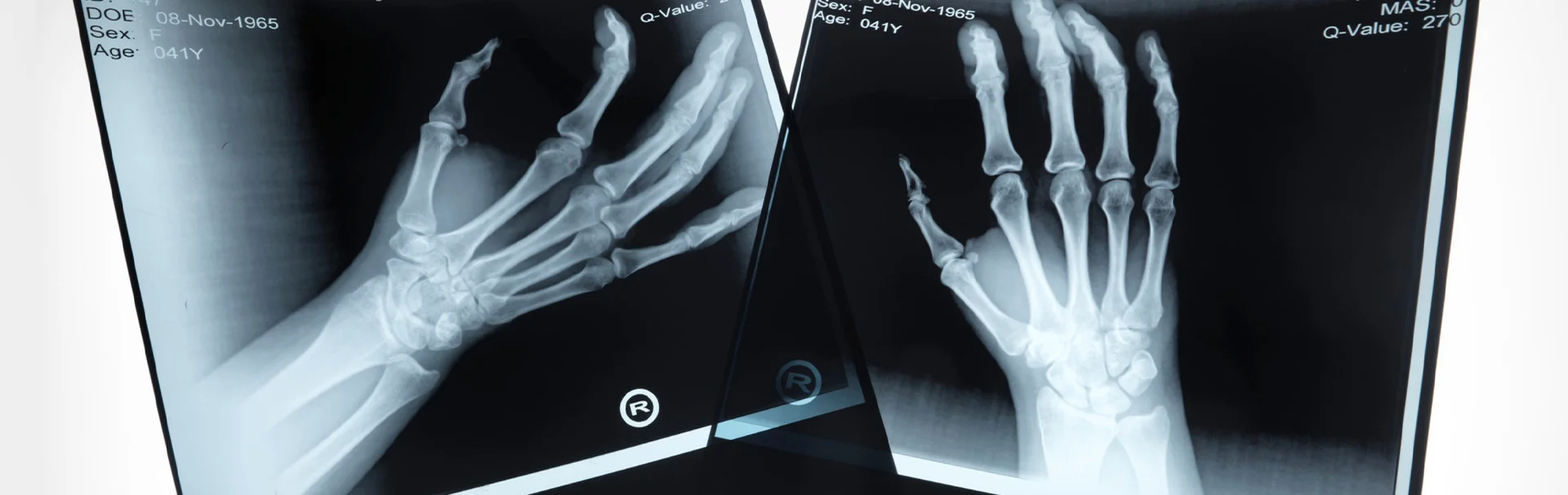
The fracture of the cheekbone can typically be diagnosed by a physical examination and X-ray. However, even if the hand bones have not moved during the fracture, a fresh injury may not be detectable on an X-ray taken within a week of the fall. For this reason, if the orthopedic specialist notices that the area above the cheekbone on the patient’s hand is very sensitive to pressure, he or she may suspect a fracture of the scaphoid and may fix the joint with a cast . This may prevent dislocation of the scaphoid fracture, which would be a more difficult form of this injury to heal. A week or two later , the X-ray is repeated and the fracture is usually clearly visible. If the diagnosis is still unclear, the doctor may order an MRI scan. The CT scan can also be used to diagnose a cheese fracture, but this imaging technique is relatively rarely used to diagnose a cheese fracture.
How to treat a cheese fracture?
The situation is simpler if the bones have not moved during the fracture, in which case the treatment consists of a 2-3 month plaster cast. For anatomical reasons, the blood supply to the cheekbone is far from ideal, which is why it needs to be fixed for such a long period. A piece of the cheekbone closer to the forearm may die after the fracture. If this is the part of the bone that has fractured, or if the fracture has caused the bones to move, a surgical intervention can be performed to repair the fracture. The surgeon will fix the bones in position with a screw.
Do you need physiotherapy after treatment?
Physiotherapy treatments are also recommended to help the fracture heal , both in the case of plaster casts and surgical treatment. In all cases, it is advisable to seek the help of a physiotherapist, who will recommend personalised exercises after a physical assessment. During the period of the cast, it is important to improve blood circulation by exercising the non-fixed joints of the arm. Once the plaster cast has been removed, the aim of the physiotherapy is to strengthen the weakened muscles and restore the restricted range of movement. Post-operative physiotherapy is also recommended to speed up and complete the healing process. Physiotherapy can be complemented by other physiotherapy treatments.
Our Hand Surgery Specialists

Dr. Tamás Hábel
Traumatologist, Hand Surgeon
Cheese fractures can be treated with the best results if they are detected as early as possible. If you have wrist and hand pain, don’t delay any longer!
Are you experiencing symptoms of a cheese fracture? Do you have other musculoskeletal complaints? Make an appointment now at the Budapest Musculoskeletal Private Outpatient Clinic, where our highly knowledgeable, experienced and empathetic specialists offer state-of-the-art treatment options to patients seeking recovery!
Call 06 1 44 33 433 now!