Specialists in rheumatology


Rheumatology specialists available at BMM
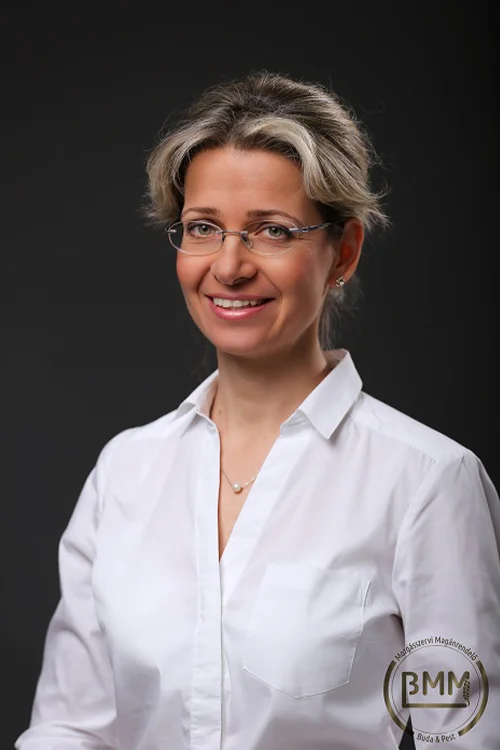
Dr. Éva Bordán
Chief rheumatologist

Dr. Katalin Bán
Rheumatologist specialist
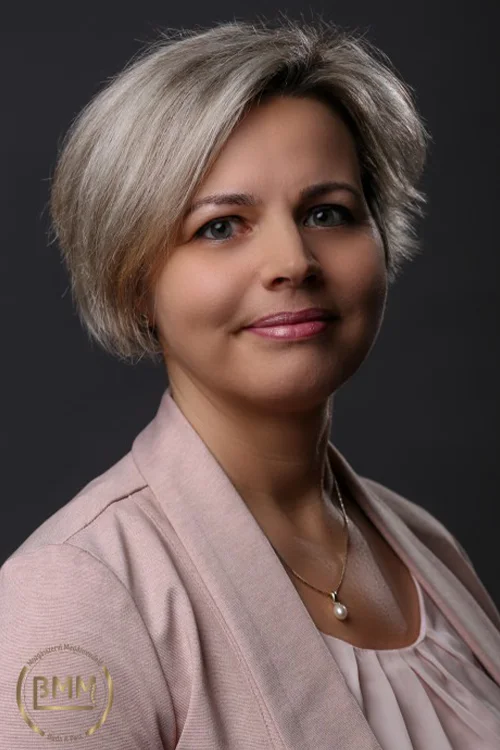
Dr. Dóra Mihola
Rheumatologist specialist
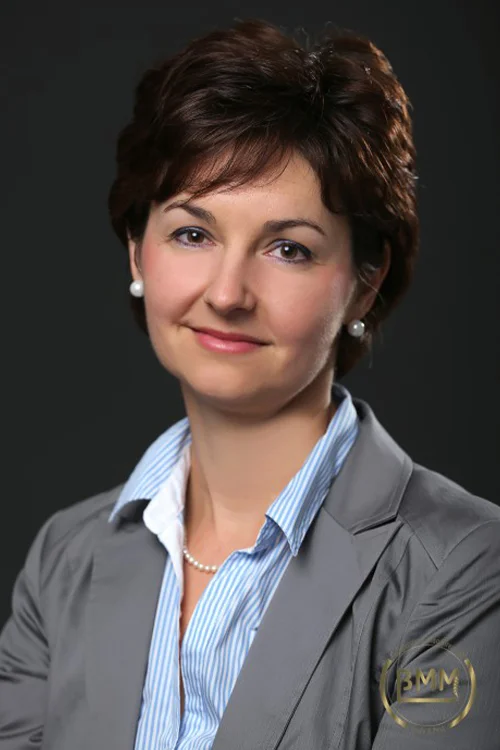
Dr. Gréta Sterba
Rheumatologist specialist

Dr. Flórián Szeles
Chief rheumatologist
What a rheumatologist does in rheumatology
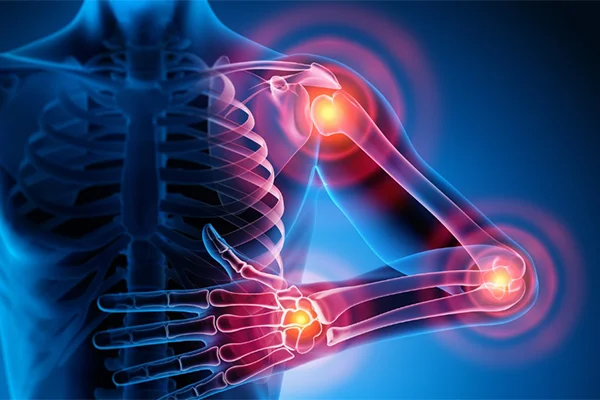
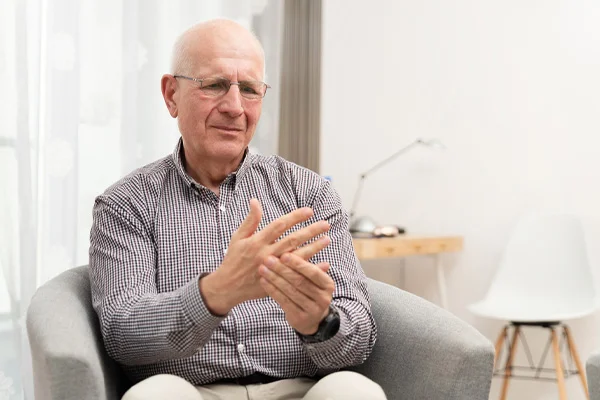
The rheumatologist examines and treats complaints and diseases of the musculoskeletal system, i.e. the muscles, tendons and joints. The diagnosis is made on the basis of a thorough examination and a precise identification of the causes, and the treatment is conservative, i.e. non-surgical.
Among the health services provided by the Budapest Musculoskeletal Private Outpatient Clinic, a rheumatology specialist examination is a priority.
The rheumatologist will examine you to determine whether your symptoms are caused by a degenerative (wear and tear) or autoimmune disease. The most common therapeutic options are drug therapies, physiotherapy, manual therapy, therapeutic massage, physiotherapy( ultrasound, electrotherapy, laser therapy) and a combination of these therapies tailored to the individual. In the advanced stages of wear and tear, conservative methods are no longer effective and surgery may be indicated, with the help of an orthopaedic surgeon, hand surgeon, shoulder surgery or, in the case of spinal disorders, neurosurgery. At the Budapest Musculoskeletal Private Outpatient Clinic, our therapists and specialists work closely together to provide our patients with the surgical or conservative therapy they need to recover.
How do we reach a diagnosis?
- Often, an anamnesis and a thorough physical examination are sufficient, but in some cases imaging diagnostics or even laboratory tests are needed.
- We organise the tests recommended by the specialist (laboratory, X-ray examination, ultrasound examination, CT scan, MRI scan) for our patients and ensure that the necessary tests are carried out within 24-72 hours at our partner institutions, where the best diagnostic equipment and specialists are waiting for our patients.
- We receive the medical reports in electronic format.
What happens during a rheumatology examination?
- Medical history: mapping previous musculoskeletal complaints and conditions (surgery, fracture, sprain, joint inflammation, etc.)
- Current complaints: qualitative assessment of pain, lifestyle (home and workplace), clarification of circumstances related to the musculoskeletal system
- View: spine and joint shape analysis
- Functional examination: functional examination of the spine, range of motion and deformities of small and large joints (shoulder, elbow, hip, knee, ankle), examination of axis deviations
- Summary of therapeutic recommendations, documentation, preparation of outpatient report
- Prescription of medication and medical aid devices
What methods do we use for treatment?
- Prescription writing: prescribing medications, medical aid devices
- injection treatments: administration of analgesic, anti-inflammatory, and joint cartilage replacement injections
- Physiotherapy: physiotherapy, manual therapy, massage
- physiotherapy: ultrasound, electrotherapy, bioptron treatment, shockwave therapy, wave massage therapy setup
Patient Testimonials

Book an appointment by phone

Online Appointment Booking