Peripheral nerve mobilization
What does peripheral nerve mobilization mean?
Neurodynamics is a therapeutic method whose aim is to release nerves that are stuck or under pressure. The physiotherapist uses special techniques to precisely determine which nerve and which part of it is under pressure. Subsequently, they perform therapeutic maneuvers by moving the patient’s spine and limbs to alleviate numbness, pain, restricted movement, muscle spasms, and discomfort.
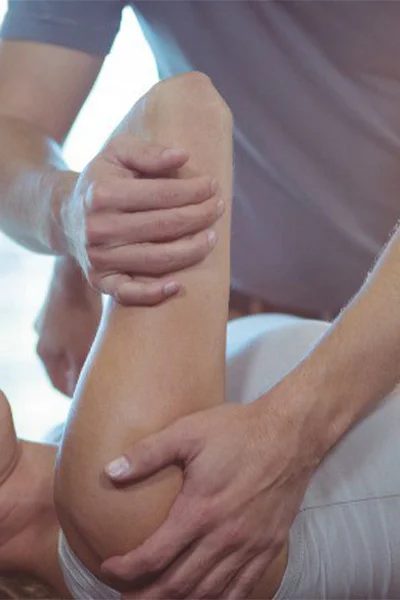
For what problems do we apply peripheral nerve mobilization?
Peripheral nerves are nerve fibers that exit the spinal cord and innervate our body. Upon exiting the spinal cord, they form plexuses with each other or directly run into certain muscles. Peripheral nerves travel a long way until they reach their target, i.e., the body part they innervate. During this journey, they pass through tunnels formed by muscles and bones and bridge various joints.
Along their course, they can be injured or compressed. In such cases, pain and numbness occur in the affected area. Peripheral nerve mobilization treatment can be a useful therapeutic procedure in such situations.
What effects can be achieved with peripheral nerve mobilization?
If the physiotherapist successfully identifies the problem area and performs personalized therapy for the patient, the numbness and pain caused by the compressed nerve can immediately decrease. To maintain the achieved effect, patients receive exercises to perform at home.
Which patients do we recommend it to?
We recommend neurodynamics to patients who have:
- Numbness and pain in their limbs due to spinal problems. These symptoms are common in cases of cervical and lumbar spine complaints, and disc problems.
- A rheumatologist or orthopedic specialist has diagnosed them with carpal tunnel syndrome due to poor posture or excessive strain.
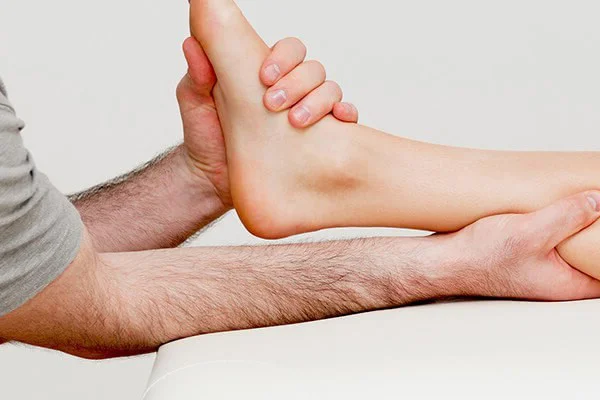
What is the essence of peripheral nerve mobilization?
Peripheral nerve mobilization aims to release trapped, stuck nerves from compression. With adapted techniques, nerve mobility can be normalized, thereby reducing pain and restoring function. This is accompanied by self-therapy exercises that can be performed at home, mobilizing the nerve from proximal or distal, always depending on the examination results (Sliding technique).
For what problems do we apply peripheral nerve mobilization?
For the treatment of pain and sensory disturbances in the supply area of peripheral nerves, especially after spinal surgery or disc problems (stuck nerve root), after scars, inflammation, chemotherapy; in the presence of TOS, carpal tunnel, or other carpal tunnel syndromes.

Tímea Szentpétery
Physiotherapist

Sándor Dorottya Lilla
Physiotherapist

Rita Major
Physiotherapist

Krisztina Tatai
Physiotherapist

Book an appointment by phone

Online Appointment Booking