Specialist in shoulder surgery


Our Shoulder Surgeons
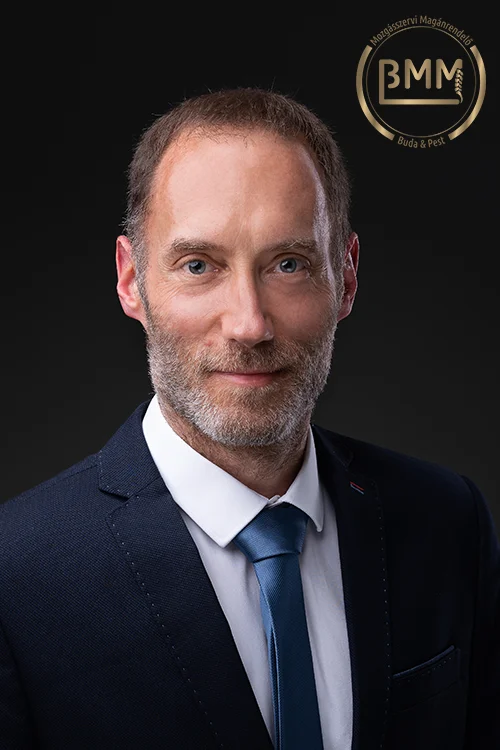
Dr. Bálint Major
Chief Orthopedic-Traumatologist
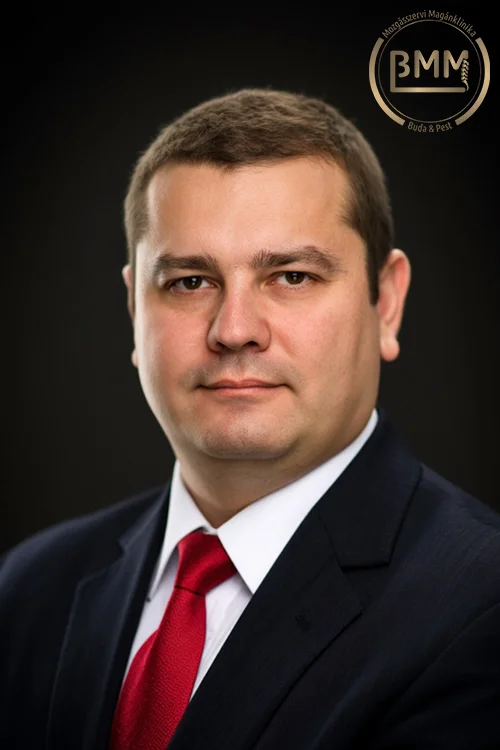
Dr. Balázs Gloviczki PhD
Chief Orthopedic-Traumatologist, Shoulder Specialist
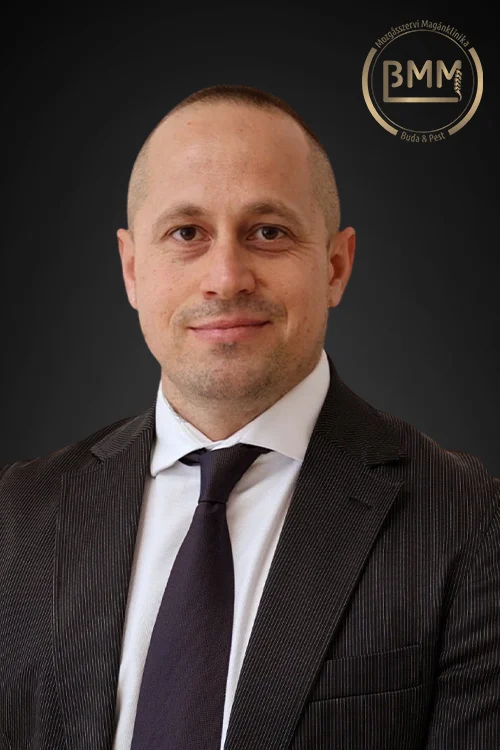
Dr. János Bartha
Chief Orthopedic-Traumatologist, Robotic Surgeon
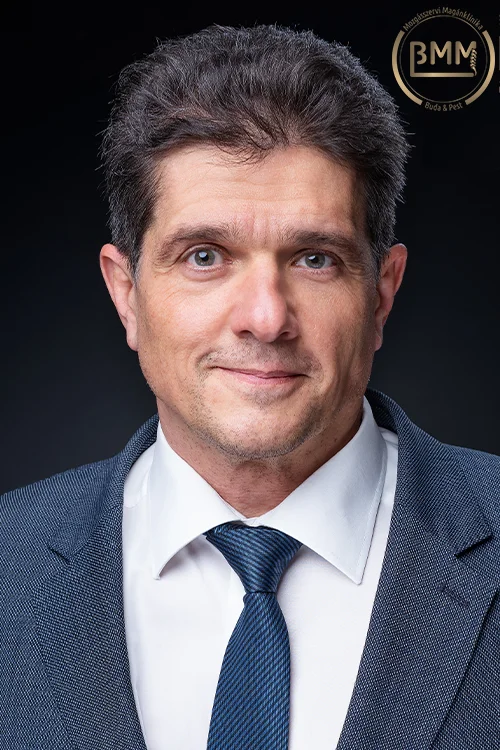
Dr. György Kocsis PhD
Orthopedic-Traumatologist, Chief Hand Surgeon, University Assistant Professor, Wrist, Elbow, and Shoulder Surgeon, Upper Extremity Specialist

Dr. Ferenc Tompai
Chief Orthopedic and Trauma Surgeon
Specialist in shoulder surgery
The shoulder surgeon or shoulder specialist deals with the diagnostics and treatment of diseases and injuries of the shoulder and its surroundings. The shoulder is the joint of the body with the greatest range of motion. It is the ball and socket joint that allows us to move our arms in a circle, not just in one direction. Shoulder pain can be caused by a number of factors: muscle spasm, injury, overuse, even inflammation. We rest our arm because of the pain, and most of the time the complaint goes away, but we don't eliminate the underlying cause. The more we rest the painful part of the body, the more its range of movement is reduced, the more the muscles flatten and shorten, often making it difficult to lift the arm. This is why it is a good idea to consult a specialist who will be able to identify the root of the problem and suggest a treatment.
What happens during a specialist shoulder surgery examination?
- History taking (finding out about previous complaints and illnesses).
- Assessing current complaints (clarifying the circumstances).
- Investigation of the complaint (specialist examination; examination of posture and gait, spine and joints, deformities and abnormalities).
- A summary of the findings and possible treatments.
- Discuss diagnostic imaging tests if necessary.
- A written summary of the study.
- Prescription of medication and medical aid devices.
At your request, we can organise the tests recommended by your shoulder surgeon (laboratory, X-ray, ultrasound, CT, MR) at our partner institutions, where the best diagnostic equipment is available for our patients.
What treatment options can we offer?
Our specialists always recommend a personalised treatment for our patients. Conservative (non-surgical) procedures are recommended as a priority, but if these are unsuccessful, we can also arrange surgical intervention in our partner institutions or in hospital inpatient units.
Our conservative treatment options:
- Physiotherapy: physiotherapy, physiotherapy gymnastics, physiotherapy massage , manual therapy, trigger-point therapy
- Physiotherapy treatments: ultrasound therapy, electrotherapy (TENS), bioptron light therapy, shock wave therapy, phonophoresis.
- Prescribing recommended medicines available on prescription.
- Prescription, purchase and fitting of recommended medical aid devices.
- Injection treatments: analgesic injections (intramuscular), steroid injections (intra-articular), cartilage-building injections (hyaluronic acid) into the joint.
What complaints are worth seeing a specialist in shoulder surgery about as soon as possible?
- Rotator cuff injury
- Frozen shoulder
- Shoulder dislocation and shoulder instability
- Shoulder Joint Arthritis
- Felcarine tendinitis
- Upper arm fracture
- Acromioclavicular Joint Pain
- Reduction in shoulder range of motion, loss of muscle strength
Patient Testimonials

Book an appointment by phone

Online Appointment Booking