Shoulder Surgery
What does shoulder surgery involve?
Shoulder surgery is a medical discipline dedicated to the diagnosis, treatment, and rehabilitation of pathological conditions affecting the shoulder joint and surrounding tissues.
It addresses problems arising from various injuries, joint wear, instability, and bone fractures. In more severe cases, surgical solutions are employed.
A fundamental aspect of shoulder surgery is joint replacement surgery, such as shoulder prosthesis implantation. This is particularly common in older patients experiencing pain and limited mobility due to shoulder joint degeneration.
In addition to prosthesis implantations, shoulder surgeons perform most surgeries using endoscopic, or minimally invasive, procedures. The advantage of shoulder arthroscopy is that it reduces surgical trauma and allows for faster recovery.
How is the shoulder joint structured?
The shoulder is the most mobile and complex joint in the human body, subjected to significant stress in daily life. Due to its complexity and high demands, it is extremely vulnerable, making it one of the most stressed joints in the human body.
Its proper functioning requires the harmonious cooperation of bones, joints, muscles, and ligaments.
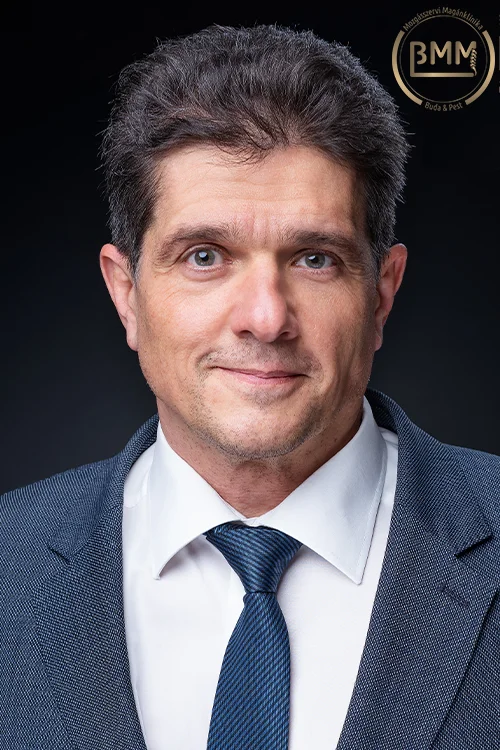
Dr. György Kocsis PhD
Orthopedic-Traumatologist, Chief Hand Surgeon, University Assistant Professor, Wrist, Elbow, and Shoulder Surgeon, Upper Extremity Specialist
Main anatomical components and their functions:
1. Bones:
- Clavicle: Connects the sternum to the scapula.
- Scapula: Located in the dorsal region, surrounding the shoulder from behind. Its two main parts are the body and the acromion.
- Humerus: The main bone of the arm, located between the shoulder joint and the elbow.
2. Joints and ligaments:
- Glenohumeral joint: The main joint where the head of the humerus meets the glenoid fossa of the scapula. This is a ball-and-socket joint, allowing for a wide range of arm motion.
- Acromioclavicular joint (AC joint): The area between the acromion of the scapula and the clavicle.
- Ligaments: The stability of the shoulder joint is provided by the glenohumeral ligaments, the coracoclavicular ligament, and the acromioclavicular ligament, among others.
3. Muscle groups and tendons:
- Rotator cuff: Consists of four muscles – supraspinatus, infraspinatus, teres minor, and subscapularis. These muscles and their tendons help stabilize the shoulder and enable various movements of the humerus.
- Deltoid muscle: Located on the outer surface of the shoulder and involved in arm elevation.
- Biceps muscle: Located on the anterior part of the upper arm.
The complexity of the shoulder joint allows for arm elevation, rotation, and circular movements. If these movements are not possible, it is advisable to seek a shoulder surgery specialist.
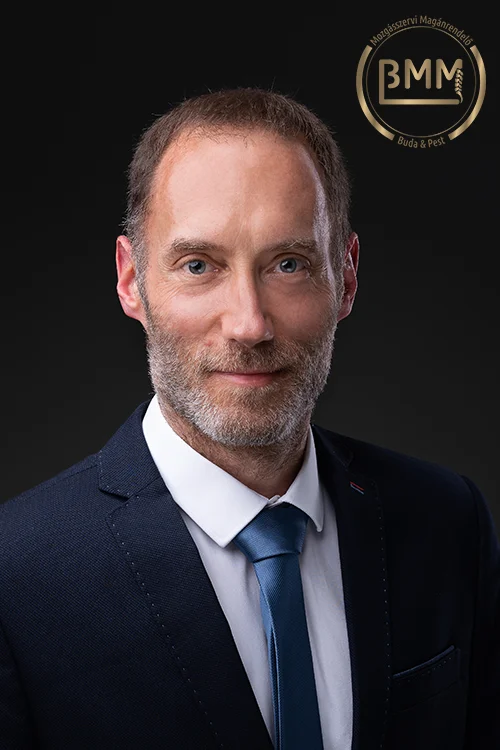
Dr. Bálint Major
Chief Orthopedic-Traumatologist
When should you consult a shoulder surgery specialist?
- Persistent shoulder pain – In cases of long-standing pain that interferes with sleep and quality of life.
- Limited range of motion – When experiencing difficulty lifting, rotating, or performing other arm movements.
- Clicking or popping sounds – If the shoulder joint produces clicking, popping, or other anomalous sounds.
- Post-injury pain – If the shoulder has sustained an injury (e.g., during sports or an accident) and the pain does not subside, or the shoulder has become unstable.
- Constant pain radiating to the arm or hand – Shoulder problems can sometimes manifest as pain felt in the arm or hand.
- Long-standing weakness or numbness – A feeling of weakness or numbness in the shoulder, arm, or hand may indicate a problem with the shoulder joint or surrounding nerves.
Some shoulder problems can be improved with conservative treatment, such as physiotherapy or medication, while others may require shoulder surgical intervention.
The symptoms listed are primary indicators of shoulder problems. However, other conditions may also be underlying, so it is always advisable to consult a doctor for an accurate diagnosis and treatment plan.
When is it more advisable to choose a rheumatologist instead of a shoulder surgeon?
- If the shoulder complaint is recent, or caused by a strain induced by an awkward movement, it is advisable to consult a rheumatologist. This is especially true for younger individuals.
Furthermore, rheumatology is a good choice for inflammatory conditions, post-infection shoulder pain, and connective tissue diseases. - If the shoulder joint problem is persistent, caused by a serious injury, or the patient is older, a shoulder surgeon is the ideal choice.
The most common problems requiring shoulder surgery consultation include: rotator cuff injury, joint wear, shoulder dislocation, bone injury, or ligament injury.
What are the most common shoulder diseases?
This includes rotator cuff injury, tear, or calcification. Rotator cuff injury can limit arm movement and cause pain, significantly affecting daily activities and quality of life.
An inflammatory joint problem, often with an autoimmune disease as its background. Severe conditions warrant a visit to a shoulder surgeon and prosthetic implantation.
Shoulder joint osteoarthritis
Degenerative joint disease most commonly occurs with advancing age. Advanced stages require prosthetic implantation.
During shoulder dislocation, the humerus moves out of the socket. It can be classified into two main types: traumatic dislocation and dislocation due to connective tissue laxity. Labrum injuries are also associated with shoulder dislocations.
Inflammation of the small fluid-filled sac called the bursa in the shoulder. The main causes are repetitive movements or trauma. The most characteristic symptom is pain during overhead movements.
Impingement syndrome
Impingement syndrome, which involves the collision of the rotator cuff tendons. Due to the narrow structure of the shoulder joint, the components of the shoulder collide and get injured, often becoming inflamed.
Tendinitis
Calcific tendinitis. Tendinitis is the inflammation of ligaments or tendons that connect muscles to bones. This inflammatory condition often develops as a result of repetitive movements, overuse, or trauma. The disease is generally well-managed with conservative therapy. In severe cases, when tendons rupture or tear, surgical intervention may be necessary.
The main symptoms are severe shoulder pain and restricted movement. The condition involves thickening and stiffness of the connective tissues around the shoulder.

What happens during a shoulder surgery consultation?
Review of medical history
Mapping previous musculoskeletal complaints and diseases.
Functional examination
Investigation of current shoulder complaints. Functional examination of the shoulder (including passive and active range of motion, muscle strength tests, special functional tests, examination of pathological processes (e.g., cervical spine, neurological examination of the upper limb, etc.))
Ultrasound examination
The functional examination is supplemented by an ultrasound examination performed by the doctor himself, which is part of the basic orthopedic examination.
Evaluation of imaging diagnostics
Further imaging diagnostics (e.g., MRI, CT) and laboratory tests are performed at another institution! If these results are already available, they will be reviewed during the initial examination. If not (or if the imaging examination is not appropriate, or not of good quality), the doctor will recommend the necessary imaging examination. This can be performed, for example, at our partner institutions or at a regionally competent outpatient clinic. In the latter case, the evaluation of the imaging examination will take place during the follow-up examination.
Diagnosis establishment
Based on the above, this occurs during the initial examination or at the follow-up appointment.
Treatment
Once the diagnosis is established, the doctor determines the treatment plan. If the examination and imaging diagnostics indicate a pathological condition, the doctor will propose surgery. The decision to proceed with surgery is always based on a mutual agreement between the patient and the doctor. If shoulder surgical intervention is not required, the doctor may prescribe conservative treatment. This may include physiotherapy, medication, or injection therapy.
Issuance of outpatient report
The medical examination is always concluded with the writing of an outpatient report.
Our primary goal is to establish the most appropriate and effective therapeutic recommendation for the patient to ensure rapid and long-term recovery.
Doctor-performed ultrasound
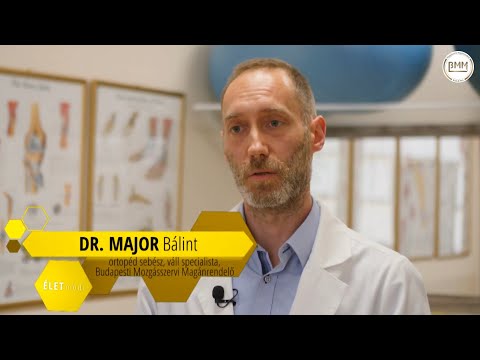
Accurate diagnosis is essential for selecting the appropriate treatment. Therefore, Dr. Bálint Major, a shoulder specialist, performs an ultrasound examination of the patient’s shoulder joint in addition to the physical orthopedic examination during the shoulder surgery consultation.
Based on the ultrasound images, the doctor can determine the cause of the shoulder joint pain. Following this, a treatment recommendation is provided.
In the case of cartilage replacement by injection, the procedure is performed under ultrasound guidance. This allows the substance to be injected into the problematic area with the highest precision.
(The ultrasound examination is part of the orthopedic consultation and is not charged separately.)
What types of shoulder surgeries do we perform?
- Rotator cuff tear (tendon repair): Most commonly affects the supraspinatus muscle of the cuff. During the surgery, the torn tendon is reattached using an arthroscopic method. The recovery period after surgery is 4-6 months, after which the patient can return to their previous life.
- Rotator cuff calcification: During arthroscopic surgery, calcium deposits are removed. The intervention is performed due to acute, prolonged complaints.
- Shoulder dislocation surgery: Surgical intervention is most often required after traumatic dislocations. The goal is to eliminate the chance of recurrent shoulder dislocations and to reconstruct any damaged ligaments or tendons.
- Frozen shoulder surgery: The essence of shoulder surgical intervention is the release of constricted, overgrown connective tissue around the shoulder joint. The goal is to reduce pain and increase the range of motion of the joint.
- Shoulder prosthesis implantation: Recommended for advanced shoulder joint wear and inflammation, primarily caused by joint disease or degeneration. The goal is to eliminate limited mobility and pain. Prosthetic implantation helps restore arm movement functions so that the patient can live a full life again. The intervention is performed via open surgery.
Our Shoulder Surgeons
Dr. Bálint Major
Chief Orthopedic-Traumatologist
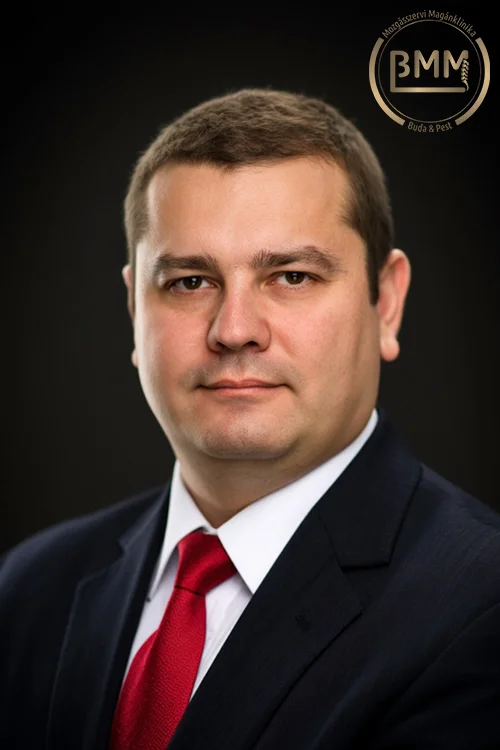
Dr. Balázs Gloviczki PhD
Chief Orthopedic-Traumatologist, Shoulder Specialist
Dr. György Kocsis PhD
Orthopedic-Traumatologist, Chief Hand Surgeon, University Assistant Professor, Wrist, Elbow, and Shoulder Surgeon, Upper Extremity Specialist
Dr. János Bartha
Chief Orthopedic-Traumatologist, Robotic Surgeon

Dr. Ferenc Tompai
Chief Orthopedic and Trauma Surgeon

Book an appointment by phone

Online appointment booking