Neurology private outpatient clinic
in Budapest
For ages 18 and above only
Neurology specialist outpatient clinic
Neurology, or ‘ideggyógyászat’ in Hungarian, is the medical discipline that deals with the structural and functional diseases of the central and peripheral nervous systems. At the Buda Musculoskeletal Private Outpatient Clinic, we uniquely provide outpatient rehabilitation for patients who have suffered a stroke (cerebral vascular accident) in Hungary.
The uniqueness of this method lies in developing multiple abilities simultaneously. Beyond motor skills, we achieve better results by collectively supporting speech, writing, reading, memory disorders, and the psyche. After a neurological physical assessment, we conduct 8-week courses with the combined assistance of a speech therapist, neuropsychologist, physiotherapist, and occupational therapist. For further information, please contact our reception.
During the examination, we issue an outpatient report for every patient.
How do we reach a diagnosis?
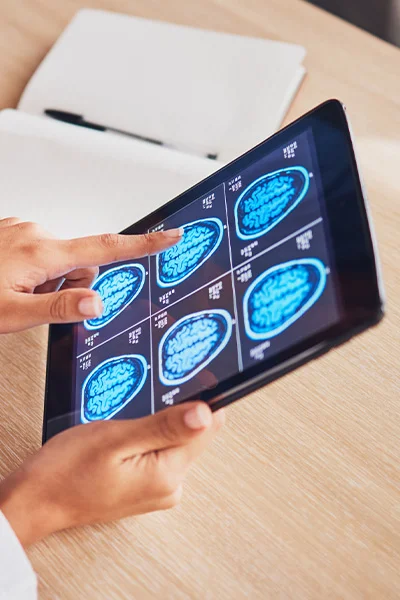
- Often the anamnesis and thorough physical examination are sufficient for this, but in certain cases imaging diagnostics or even laboratory tests are necessary.
- We organize the examinations recommended by the specialist (laboratory test, X-ray, ultrasound, CT, MRI) for our patients and ensure the necessary examinations are conducted within 24-72 hours at our partner institutions, where the best diagnostic equipment and specialists await our patients.
- We receive the medical reports in electronic format.
What methods do we use for treatment?
- Prescription writing: prescribing medications, medical aid devices
- Physiotherapy: physiotherapy, manual therapy, massage
- Physiotherapy: ultrasound, electrotherapy, Bioptron treatment, shockwave therapy
- Surgeries: In case of indication, neurosurgery consultation, and if necessary, organization of surgeries in our partner institutions’ hospital inpatient departments based on the examining specialist’s recommendation.
Further neurological examinations
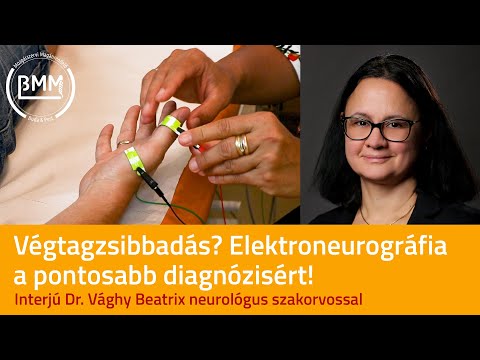
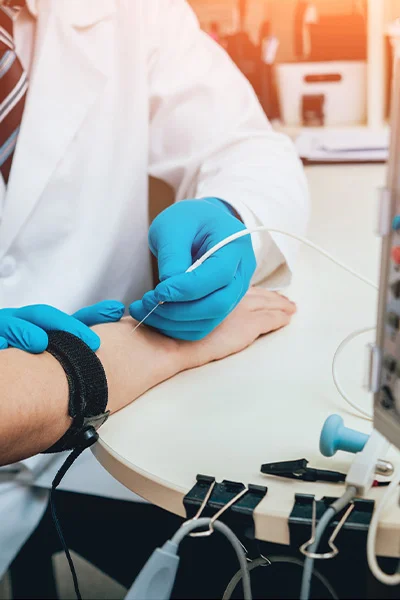
The ENG (electroneurography) examination provides data on the condition and function of peripheral nerves. During the examination, nerves are stimulated with electric current, and the response detected by an electrode placed on the muscle supplied by the nerve is recorded. This examination method is suitable for diagnosing diseases of individual peripheral nerves (mononeuropathies), such as carpal tunnel syndromes (e.g., carpal tunnel syndrome), and general diseases of the peripheral nervous system (polyneuropathy). It is also suitable for detecting diseases of the neuromuscular junction (myasthenia gravis). Furthermore, it is useful for differentiating nerve root damage (radiculopathy) and plexus involvement, and can also confirm diseases of spinal motor neurons.
The EMG (electromyography) examination provides information about muscle function. During the examination, a thin needle electrode is inserted into the muscle, and the electrical response is recorded at rest and during muscle movement or contraction. The examination often provides information when evaluated together with the ENG examination. It is a primary procedure for intrinsic muscle diseases and conditions involving muscle inflammation, but it is also suitable for assessing the degree of nerve regeneration and differentiating between acute and chronic forms of certain diseases (e.g., polyneuropathy).
Electroneurography (ENG) and electromyography (EMG) examinations are performed by Dr. Magdolna Simó, clinical neurophysiologist and university assistant professor, and Dr. Beatrix Vághy, chief neurologist, at our Pest private outpatient clinic (District XIII).
What happens during a neurological examination?
With short appointment waiting times, we provide diagnosis and treatment for the following conditions, coordination of necessary follow-up examinations, and long-term professional care for the patient, potentially in cooperation with the general practitioner:
- Stroke (cerebrovascular diseases, stroke, apoplexy), assessment of stroke risk, organization of supplementary examinations, care for stroke patients broken down by risk factors, planning of follow-up examinations, organization of further examinations, regular check-ups, establishment of appropriate medication specific to the cause of the disease, and lifestyle advice.
- Multiple sclerosis: diagnostics, differential diagnostics, indication of treatment appropriate to the etiology, organization of treatment, regular monitoring, and lifestyle advice.
- Vertigo: Vertigo is usually caused by a malfunction of the inner ear’s balance organ, which senses head movements. In most cases, an abnormal, rhythmic eye movement also appears with vertigo. The primary goal is to identify the cause of the vertigo. At our neurology specialist outpatient clinic, we establish a causal diagnosis and provide therapeutic recommendations after organizing diagnostic examinations.
- Gait disorders, nerve inflammations, Parkinson’s disease, various hyperkinesias, paralyses differential diagnostics, elucidation of the cause of forgetfulness, lower back and neck pain.
- Headache: Investigating the cause of headache is the task of a neurologist. A detailed assessment of the circumstances, the onset and course of symptoms, and evaluation of symptoms are performed. During the investigation, identifying the cause leads to the therapeutic goal. Headaches can be tension-type, triggered by stiffness in the neck and nape muscles. Treatment in such cases involves physiotherapy, relaxation exercises, and electrotherapy. It can also be migraine-related or due to other organic causes. Laboratory tests, cranial CT, MRI, and EMG examinations may be necessary for diagnosis.
Patient Testimonials
Our Neurologist Specialists
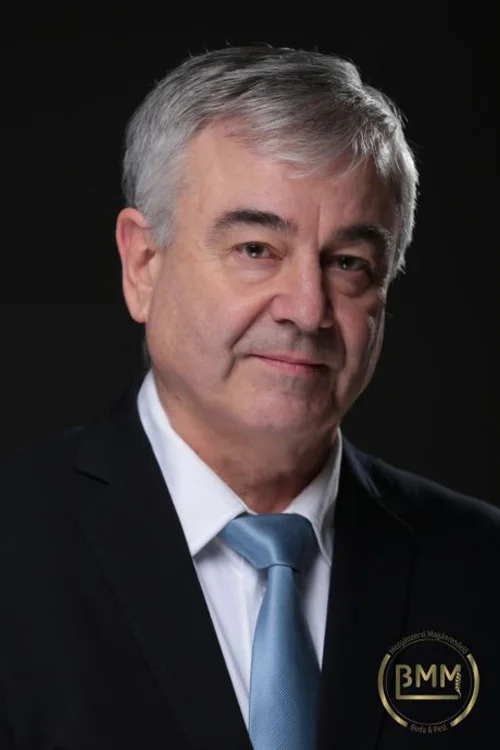
Dr. László Csiba PhD
PhD D.Sc. Academician, University Professor
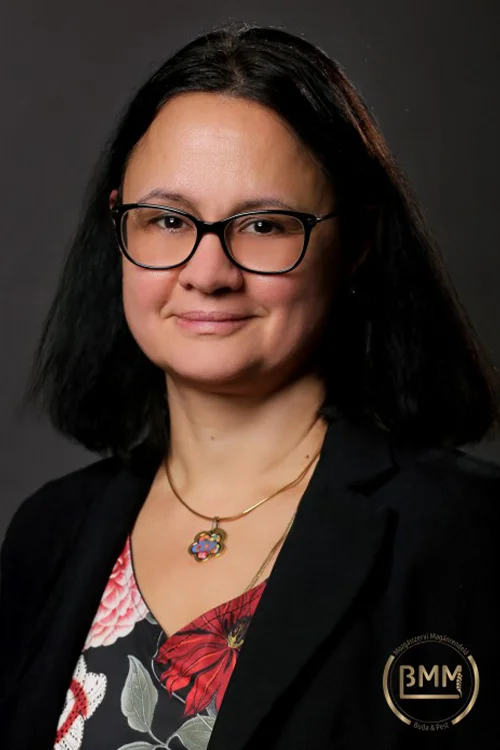
Dr. Beatrix Vághy
Chief Neurologist and Neurophysiologist
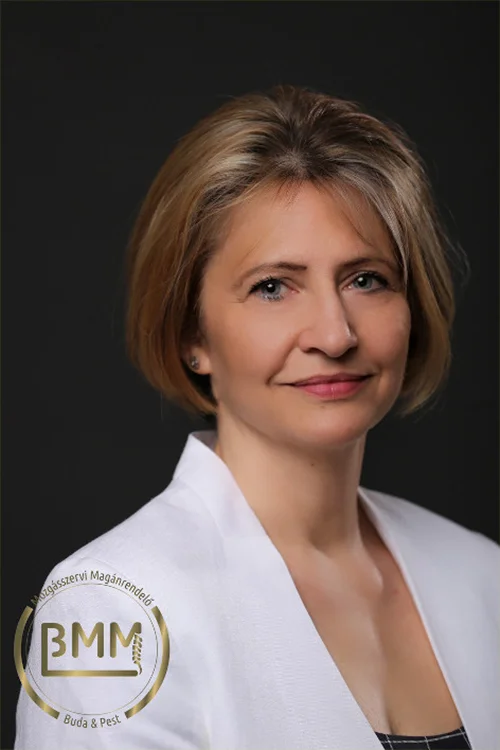
Dr. Magdolna Simó PhD
University Associate Professor, Neurologist, Clinical Neurophysiologist
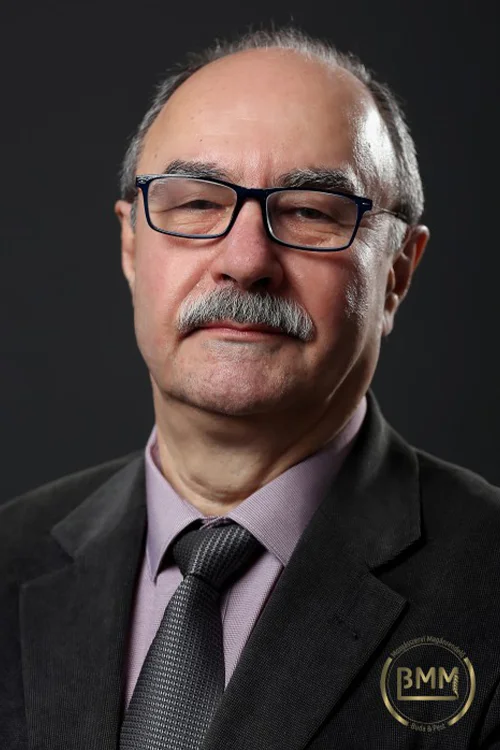
Dr. Sándor Horváth PhD
Neurologist Specialist, Candidate of Medical Sciences, Honorary University Associate Professor

Book an appointment by phone

Online Appointment Booking