Physiotherapy
What is physiotherapy good for?
Physiotherapy is a (non-surgical) treatment aimed at reducing or preventing all of the patient's complaints.
It can be widely applied, without claiming to be exhaustive, before and after surgeries, for sports injuries, following musculoskeletal accidents, for congenital musculoskeletal abnormalities, for scoliosis, as preparation for childbirth, for postpartum recovery, for those suffering from autoimmune diseases—to slow symptoms and maintain stability, in cases of joint, muscle, and ligament injuries, as a result of disc degeneration, for osteoporosis, following or as prevention for neurological, internal medicine, and other special conditions, and for those performing sedentary work.
In many cases, with regular application, even surgical intervention can be avoided! At our private clinic, we use individualized physiotherapy tailored to our patients' needs and complaints. You can learn more about the special techniques we use here:
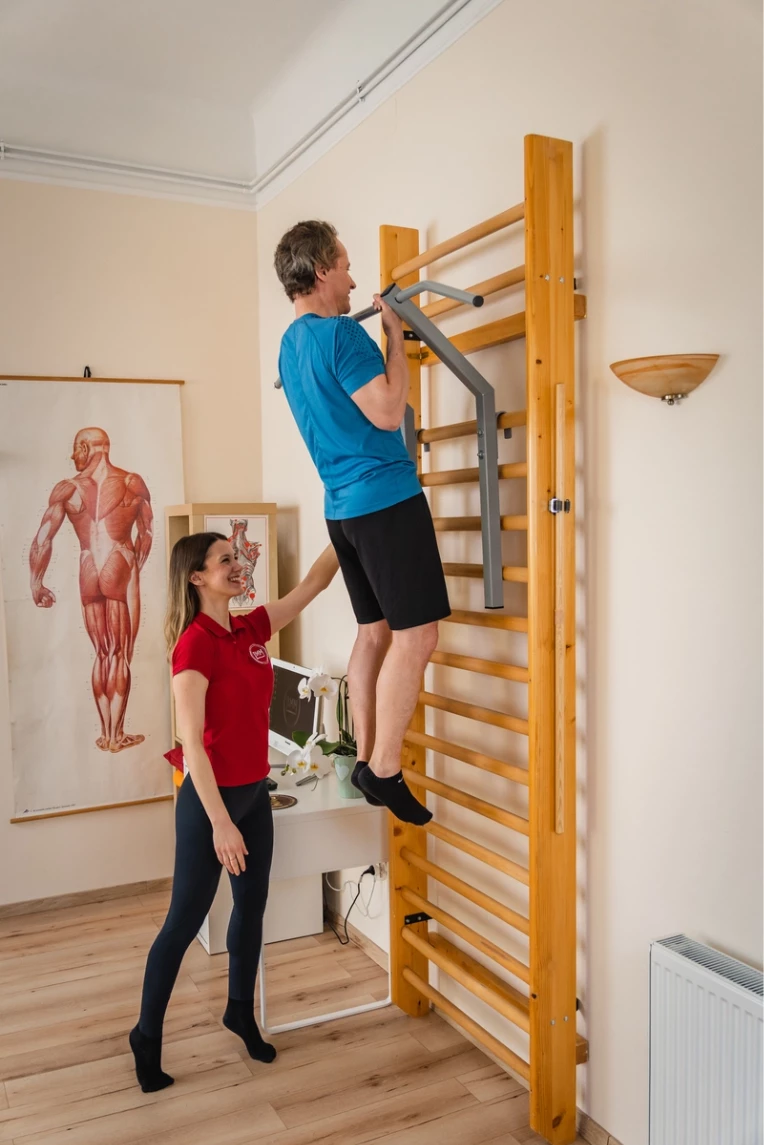
What is the difference between physiotherapy and physical therapy?
Physiotherapy means the use of natural forces in treatments:
- own muscle strength,
- massage,
- balneotherapy,
- heliotherapy.
Physical therapy, on the other hand, is purely the use of physical forces, where we typically treat with light, heat, or mechanical energy using electricity. Examples include TENS, ultrasound therapy, soft laser, shockwave therapy, wave massage, selective stimulation current treatment, etc.
Physiotherapy techniques can be divided into three main parts:
- Active exercise practices
- Manual techniques; consisting of joint-bone and soft tissue treatments
- Physical therapy treatments
What methods do we use during treatments?
We always apply the most relevant treatment during therapy, in which the physiotherapist is proficient and which is individually adapted to the patient's problem. This may include improving circulation, increasing range of motion, muscle strengthening, Schroth therapy for scoliosis treatment—primarily for developing children, manual therapy, soft tissue treatment for muscle and tissue regeneration (by hand, with foam roller, flossing, cupping, and other instrument-assisted techniques), machine therapy, physical therapy for pain relief, strengthening weakened or paralyzed muscles, muscle relaxation, and kinesiotape application.
It is worth noting that active exercise is always the most effective. If this is hindered for any reason, other techniques and methods can be called upon as a supplement.
We also give home exercises to patients, which help them recall and practice the active exercises performed during the session. The Canadian program called Physiotec assists us in this. A short video and description has been created for each exercise in a database of several thousand exercises.
What is the process of a physiotherapy physical assessment?
The physiotherapy physical assessment takes place after the specialist consultation, during the first meeting with the physiotherapist. We always begin with a thorough interview about the patient's current and previous complaints, surgeries, sports history, work conditions, and essentially everything that may influence the complaints. After this, we examine the patient in underwear, assess their range of motion, muscle strength, and if imaging is available, we review and discuss what is visible on it together (not just the report!). Finally, we determine the course of treatment, set goals together, and get started with the exercises.
However, a full exercise session/treatment rarely fits into the first appointment, as it is usually worth dedicating sufficient time to the above-mentioned items, so the essential treatment is reserved for the second session.
Pre-surgical physiotherapy
So-called preoperative physiotherapy is applied before planned operations. The purpose of the treatments is to prepare the patient for the intervention depending on the problem, so that the surgery can achieve the best possible result. In a personalized manner, by treating the surrounding joints and providing ergonomic advice, we prepare the patient muscularly and strive to create the most optimal conditions for rehabilitation.

Rehabilitation physiotherapy
Rehabilitation physiotherapy is divided into two major subcategories:
During postoperative physiotherapy, we treat patients who have already undergone surgery. With personalized therapy, we teach them about contraindicated movements and gradually restore the functions of the affected area according to a plan appropriate to the rehabilitation stage.
In the case of sports rehabilitation, we treat sudden injuries occurring during sports, such as fractures, sprains, dislocations, as well as the consequences of prolonged or possibly incorrectly performed sports activities, such as joint degeneration. The basis of effective treatment is that we apply a functional approach to therapy, meaning that the primary main goal of the exercises and methods is to restore proper joint and complex bodily function. The second main consideration during therapy is reducing the risk of re-injury with preventive exercises.
What does rehabilitation physiotherapy include?
- Injury therapy
- Lymphatic therapy, scar treatment
- Coordination training
- Strength training, cardio training
- Balance exercises, dynamic stabilization
- Proprioceptive training
- Functional therapy, sports movement training
Our physiotherapists
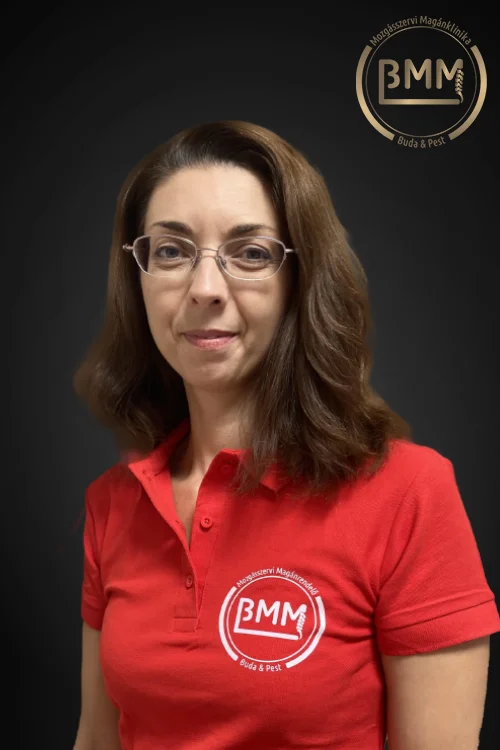
Tímea Szentpétery
Physiotherapist

Sándor Dorottya Lilla
Physiotherapist
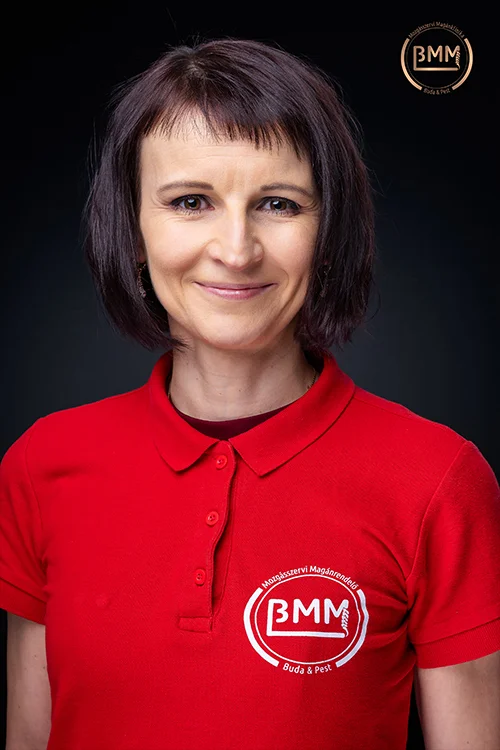
Rita Major
Physiotherapist
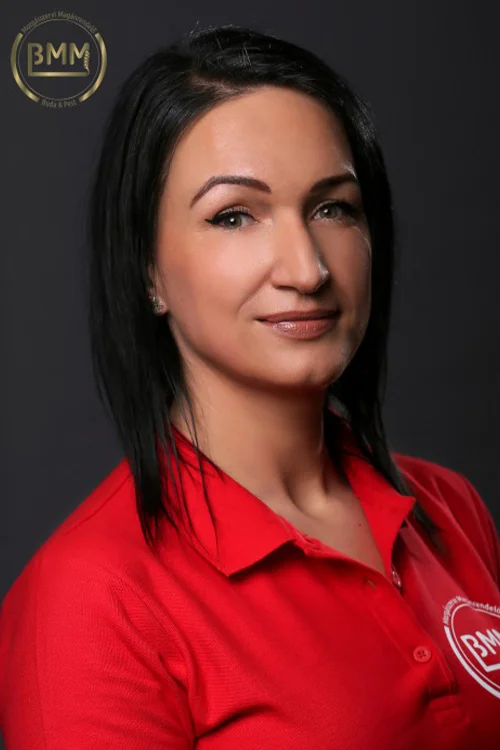
Krisztina Tatai
Physiotherapist
We can provide appointments for today, tomorrow, or even Saturday or Sunday

Book an appointment by phone

Online Appointment Booking