Healing with Iontophoresis and Galvanic Current

Healing with iontophoresis and galvanic current
author Marketing BMM | October 11, 2023
Iontophoresis
Iontophoresis is a therapeutic method frequently used by physical therapists and physiotherapists to treat various musculoskeletal disorders. It is a form of electrical stimulation that allows medication to be delivered through the skin into the body.
Application of Iontophoresis
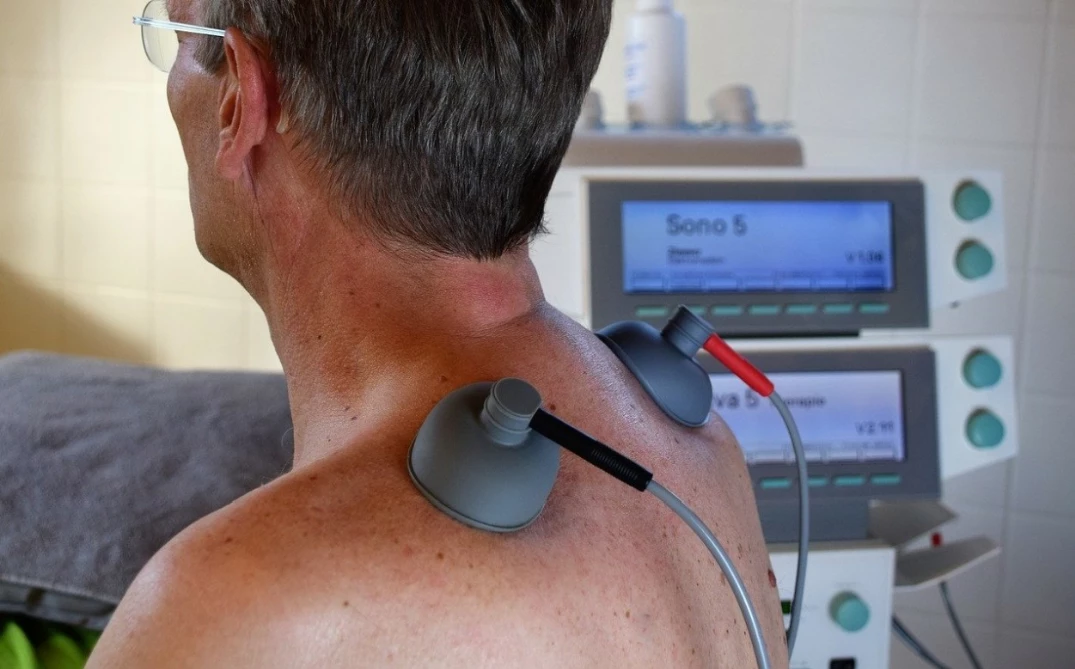
Before application, the therapist must first determine what type of medication to use. The medication used during iontophoresis depends on the treatment goal. The treatment can be used in physiotherapy for local administration of anesthetics (such as lidocaine), corticosteroids, anti-inflammatory drugs, and pain relievers. A direct current electrical stimulation device is used for iontophoresis. The device has two electrodes; one electrode delivers the negative current and the other delivers the positive current. Depending on the type of medication used, the therapist applies the medication to either the positive or negative electrode. The electrodes are then placed on the patient’s body and the electrical stimulation device is turned on. When the electrical current is activated, the patient will likely feel a mild tingling sensation, though sometimes the stimulation feels like a small bee sting. An iontophoresis treatment lasts 10-20 minutes, depending on the amount of medication the therapist applies. After treatment, redness of the skin may occur in the area where the electrodes were placed.
Indications
In rehabilitation medicine, including physiotherapy, iontophoresis is primarily used to reduce inflammatory processes. This may include musculoskeletal conditions such as tennis elbow, golfer’s elbow, plantar fasciitis (inflammation of the plantar fascia), bursitis, rheumatoid arthritis, and various enthesopathic conditions.
Contraindications
Patients who may experience hypersensitivity or allergic side effects to the active ingredient used during treatment should avoid iontophoresis with that particular agent. In patients with a history of cardiac arrhythmia or increased blood coagulation, use of the treatment is not necessarily recommended. Clinicians should avoid the procedure in areas with embedded surgical wires, orthopedic implants, and near skin areas with lesions and impaired sensation. Iontophoresis has not yet been studied during pregnancy, therefore it should not be used during pregnancy or only with extreme caution.
Galvanic Current Therapy
Galvanic or direct current therapy is a form of electrotherapy treatment. During electrotherapy treatments, electrical current with specific physical parameters is delivered through the skin into the body. The electrical current, directed at a safe, low voltage level, is delivered to the body through electrodes placed on the skin. The flow of current through an affected area can reduce pain by inhibiting pain receptors. Since it also enhances the transport of ionized substances through the skin, it can be used to facilitate absorption of topically applied medications, such as anti-inflammatory creams (this process is called iontophoresis).
Application of Galvanic Current
If the therapist decides to apply electrical stimulation during rehabilitation, the first step is to place electrodes on the body part requiring treatment. These electrodes are connected via a wire to a device that generates direct current. The patient will feel a mild tingling sensation, which will increase until it feels strong but still comfortable. The application of electrical impulses may be somewhat uncomfortable, but should not cause pain. If you experience pain during electrical stimulation, inform the therapist immediately. They will modify the treatment or discontinue its application. A galvanic current treatment can last 10-20 minutes depending on the settings of the electrical stimulation device.
Indications
The treatment is used for numerous reasons in physiotherapy. Due to its pain-relieving, anti-inflammatory, and vasodilatory effects, it is frequently used for lower back complaints, post-surgical rehabilitation, and treatment of various inflammatory conditions such as tenosynovitis, tennis elbow, or bursitis.
Contraindications
There are cases in which the treatment is prohibited or not recommended. The treatment should be avoided on skin surfaces where pain sensation is impaired or damaged skin areas are present. Patients with implants should not be treated with galvanic current, as there is a risk of implant rejection or malfunction. The treatment should be avoided if the patient’s mental state is inadequate, and the presence of a malignant tumor may also be an exclusion criterion.
In cases of a history of cancer, it can only be performed with the recommendation of an oncologist.

Book an appointment by phone

Online Appointment Booking