Cupping Therapy – Cupping
Cupping therapy
Many have surely heard of cupping therapy as an ancient folk remedy, however, many do not know that in recent years it has also been successfully integrated into movement therapy as a complementary treatment. Some may have reservations, but after the first treatment, they realize it is a very useful form of therapy.
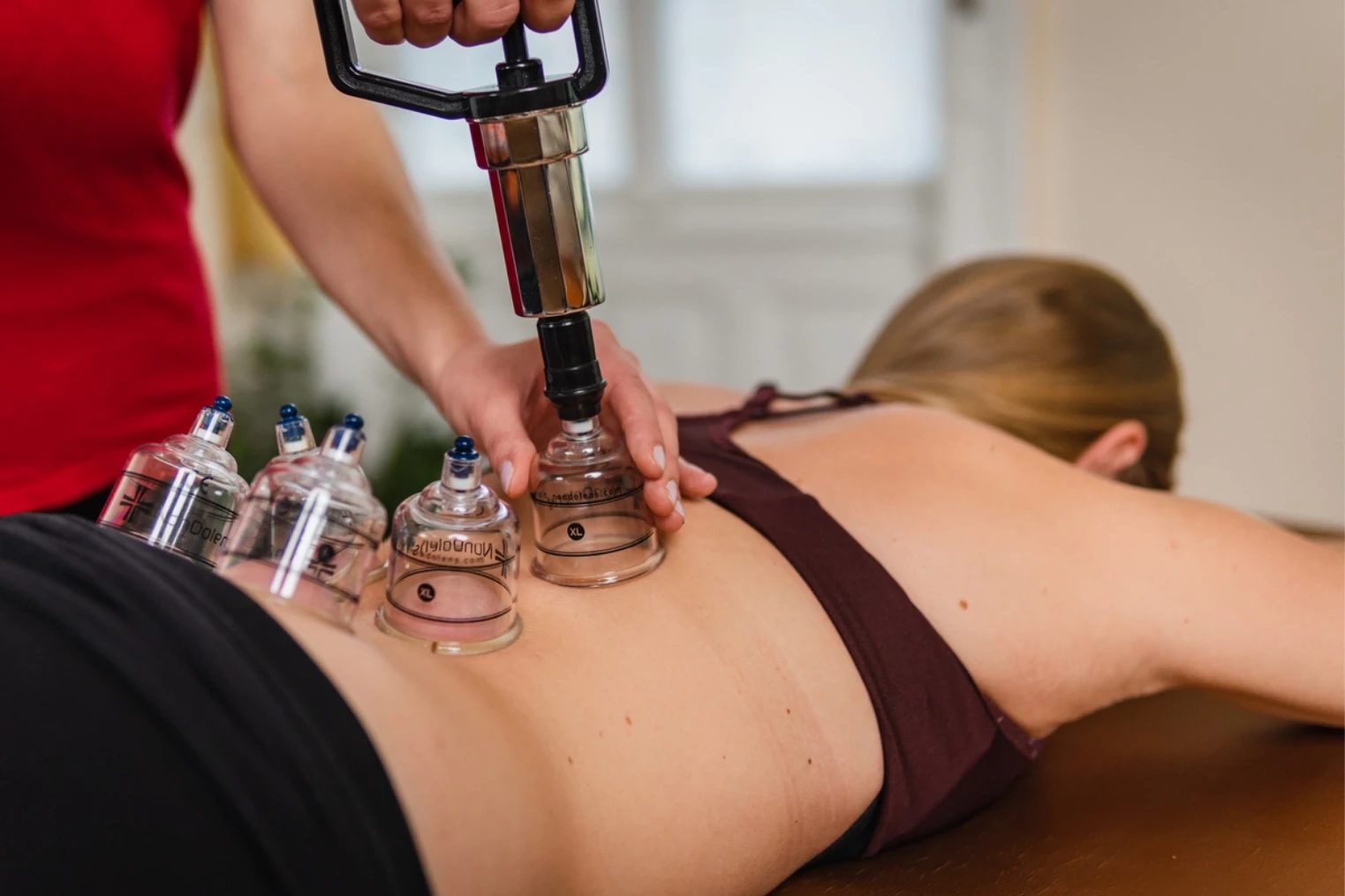
What does cupping mean, and how is the treatment performed?
Cupping therapy requires two tools: a cupping cup and a vacuum gun. The cupping cup can be made of plastic or glass. With the help of the gun, we create a vacuum in the cup, which lifts the skin and the superficial fascial layer from the deeper fascial layers.
What is fascia and why is it beneficial to separate its layers?
The question rightly arises: what is fascia and why is it beneficial to separate its layers? Fascia envelops our entire body, including smaller muscles, larger muscle groups, and internal organs. It consists of three layers, which normally slide over each other. Due to a sedentary lifestyle, repetitive poor movements, trauma, or immobilization, these layers can stick together and dehydrate, thereby restricting movement and leading to pain and limited range of motion. Therefore, it is very important that our fascia is well-hydrated and that we move frequently.
Cupping allows us to separate the layers of fascia. It is even more effective when combined with movement.
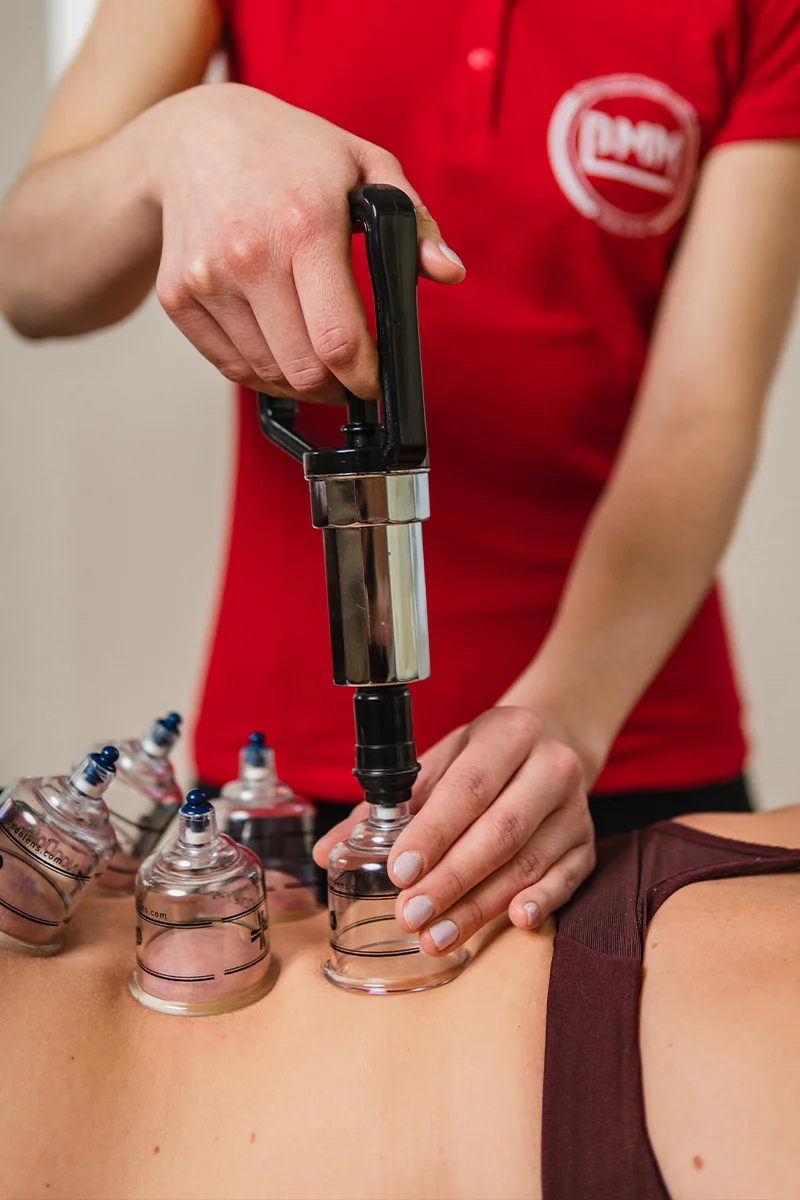
What are the forms of cupping?
Static Cupping
The cups are placed on the painful area and remain there for approximately 5-10 minutes.
Static Cupping with Movement
The cups are placed on the problematic area, and simple movements are performed. For example, in cases of lower back pain, 6 cups are placed on the lower back, and then the patient performs forward and sideways bends and torso rotations at a rhythmic pace.
Sliding Cupping
One cup is placed on the problematic area. The affected area can be massaged with oil or left dry (this is usually a complement to FDM treatment). With the help of our hand, we slide the cup along the painful section.
The treatment can be uncomfortable, rarely painful, but the feeling of relief following cupping always compensates for it.
The therapy is a COMPLEMENTARY TREATMENT, which can be effectively combined with manual therapy, physiotherapy, TAPE treatment, and FDM therapy.
Contraindications of Cupping Therapy
- Damaged skin
- Do not apply to moles
- Thin skin
- Long-term anticoagulant treatment
- Phlebitis
- Tumor
Extremely effective in the following cases
- Traumatic or other movement restrictions
- Lower back pain
- Loosening of scars
After the treatment, bruising may occur, which will disappear without a trace within a few days. The treated area may itch, and local hyperemia develops, but this subsides after a few minutes. Movements can be performed more easily, even without pain. After cupping, it is very important to drink fluids, which must only be water, no sugary soft drinks, and to perform regular physiotherapy exercises to prevent the fascial layers from sticking together again.
Our physiotherapists
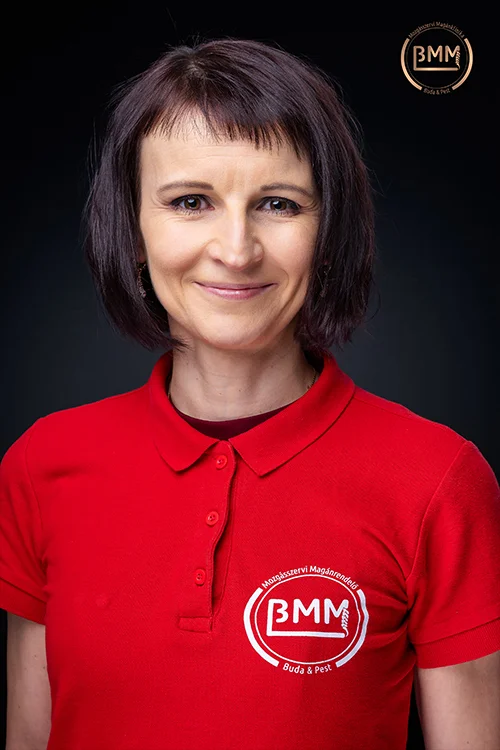
Rita Major
Physiotherapist
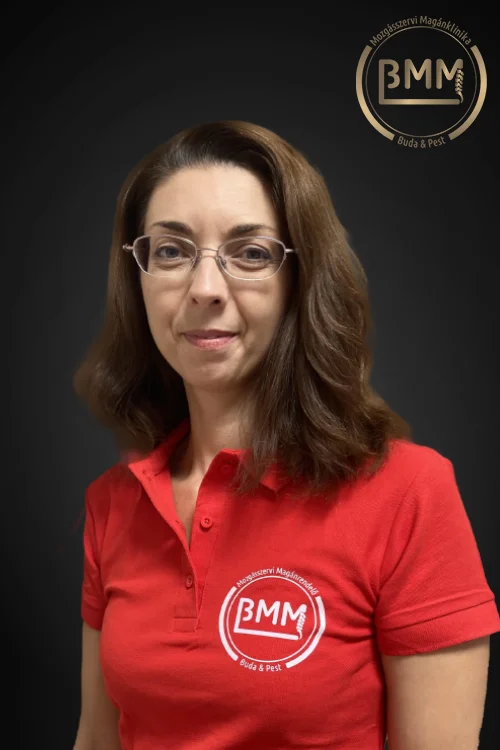
Tímea Szentpétery
Physiotherapist

Sándor Dorottya Lilla
Physiotherapist

Book an appointment by phone

Online Appointment Booking