Patellar Tendon Transfer
– When the Patella Keeps Dislocating
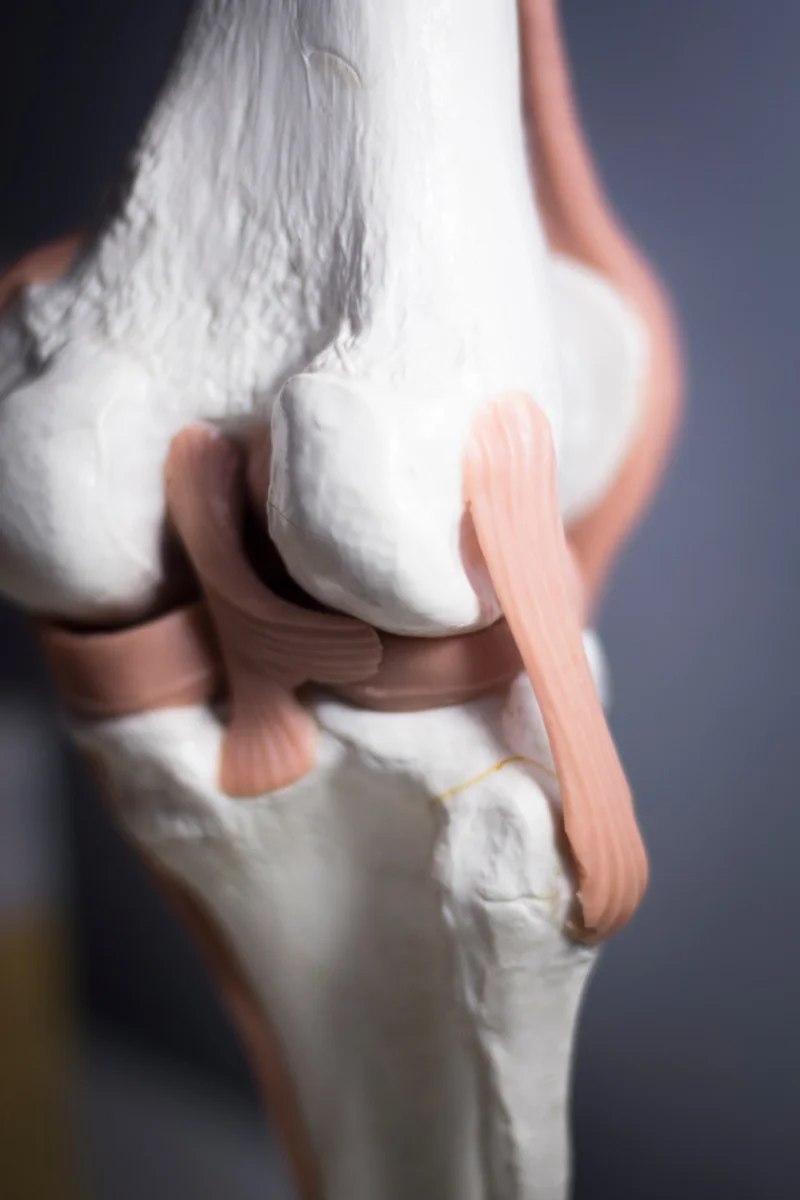
Why Does My Patella Dislocate – and When Should I See a Doctor?
Patellar dislocation, also known as patellar dislocation, can often be a recurring problem, particularly at a younger age or during sports activities. If you feel that your patella is slipping and then jumping back into place, or if you experience knee pain when climbing stairs, running, or after jumping, it is advisable to consult a specialist.
This instability often results from an imbalance in the strength of the outer and inner thigh muscles, muscle weakness, or congenital anatomical abnormalities. The problem can worsen if not properly treated – leading to chronic pain, cartilage degeneration, or recurrent patellar dislocation.
Most Common Symptoms of Patellar Instability
- The patella “slips out” and then jumps back into place
- Pain on the inner side of the patella
- Feeling of instability, especially during movement
- Swelling around the knee
- Knee pain when climbing stairs, squatting, or during sports activities
What Happens If the Problem Is Left Untreated?
Without treatment, patellar instability can lead to recurrent dislocations, which are not only painful but can also damage the articular cartilage surface. In the long term, this can lead to degeneration, chronic knee pain, and restricted mobility. Patellar tendon transfer is a targeted surgical solution that can help stabilize the patella, thereby preventing further deterioration.

Dr. Péter Doszkocs
Orthopedic-Traumatologist Chief Physician, Hip and Knee Surgeon, Lower Limb Specialist, Robotic Surgeon
Online appointment booking:
Budafoki Road Clinic: Thursday
Bokor Street Clinic: Other days of the week
Please select the service that suits you
The follow-up fee is valid for 3 months after the initial examination for the same complaint.
- 1. Select the requested service from the drop-down menu!
- 2. Use the calendar to choose a suitable appointment time!
- 3. Register by entering your details, or log in with your previous registration!
- 4. If you wish to book on behalf of another person (e.g., your child), please indicate this in the designated field!
- 5. Briefly describe your complaints!
- 6. Select the type of consultation: initial examination, follow-up examination, or prescription.
- 7. Click the button to complete the appointment booking. Thank you for choosing BMM!
If you are unable to attend your scheduled appointment, please notify us of your cancellation at least 24 hours in advance.
This allows other patients the opportunity to receive timely medical care. Thank you for your cooperation and understanding!
Cancellation: +36 1 44 33 433
If you cannot find an available appointment for your selected week, please call our call center at +36 1 44 33 433 for further assistance! Our staff will be happy to help you schedule an appointment with your chosen physician or another specialist according to your complaint.
Treatment of Patellar Instability – What Does Tendon Transfer Mean?
If someone’s patella regularly slips out of place and conservative treatments (such as physiotherapy or knee braces) do not provide lasting results, a specialized surgical solution may be considered: patellar tendon transfer. This intervention involves repositioning the attachment point of the tendon that secures the patella to the tibia so that the patella moves in the optimal direction during knee flexion. The goal is to make the muscle pull more balanced and ensure the patella moves in the correct direction – preventing it from slipping laterally.
This surgery is particularly effective in cases where the patella moves laterally (lateral patellar luxation) or when the knee is congenitally prone to instability.
When Is Patellar Tendon Transfer Surgery Recommended?
Patellar tendon transfer may be considered as a treatment option in the following cases:
- Recurrent patellar dislocations (recurrent patellar luxation)
- Significant patellar pain during activity
- Failure of conservative (non-surgical) treatment
- Patellar malalignment that can lead to joint degeneration
- Feeling of instability during sports, sensation of the knee “slipping”
It is important to understand that the goal of the surgery is not only to reduce pain but also to restore the biomechanical balance of the knee and provide long-term protection of the cartilage surface.

How Is the Intervention Performed?
Patellar tendon transfer surgery is performed under general or regional anesthesia. The surgeon detaches the affected tendon (the patellar tendon) along with its attachment to the tibia (tibial tuberosity) from the tibia, then moves it medially on the tibia and secures it in the new, correct position with screws. This ensures that the patella’s movement remains centered and does not pull toward the lateral side.
During the surgery, it may be performed in combination with other interventions – such as cartilage surface treatment (e.g., arthroscopy) or other stabilizing techniques (lateral capsular release or medial MPFL ligament reconstruction), depending on the severity and nature of the patellar instability.
What Happens After Surgery? Rehabilitation and Recovery
Following the intervention, the following are generally required:
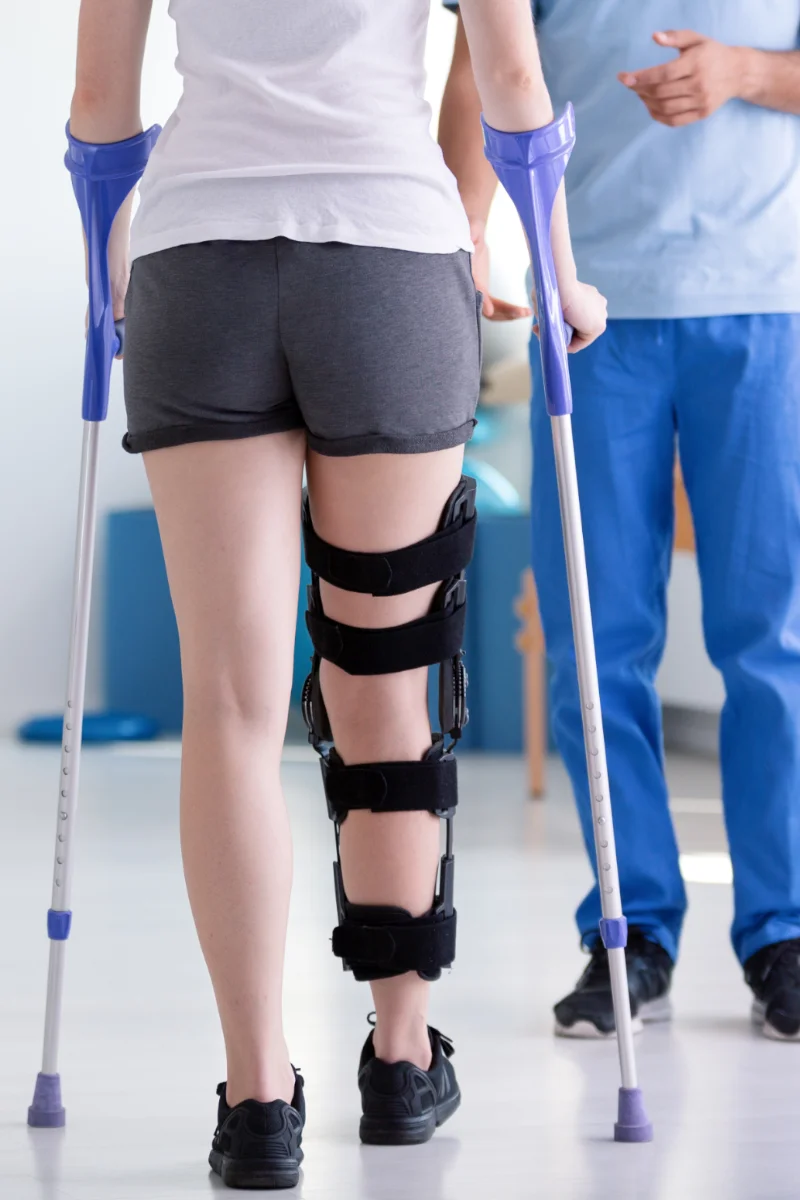
- Wearing a knee brace for a short period
- Partial weight-bearing movement therapy
- Individualized physiotherapy to help restore muscle balance
Full recovery time is typically 3–6 months, and return to sports may require 6–9 months. With proper rehabilitation, the patella can be fully stabilized, and the chance of recurrent patellar dislocation is significantly reduced.
In Which Cases Does Tendon Transfer Help Based on Dr. Péter Doszkocs’s Experience?
Patellar tendon transfer is not among the most common interventions, but in certain cases it is one of the most effective surgical solutions for permanently eliminating patellar instability.
The goal of the surgery in every case is to correct the patella’s tracking and restore knee joint stability, whether dealing with problems that develop in childhood or consequences of adult sports loading.
Patellar Problems in Children and Adolescents
At a young age, particularly in adolescents, it is common for the patella not to move along the correct track and to shift laterally during movement. Initially, this may only be accompanied by clicking and mild pain, but over time recurrent dislocations can develop. If instability persists after growth is complete, patellar tendon transfer surgery can help prevent cartilage damage and long-term knee pain.
Complaints of Athletes and Active Adults
During an active lifestyle or sports, the knee experiences greater stress. If someone repeatedly experiences their “patella popping out” during training or matches, there is a risk that knee instability will lead to permanent damage. Patellar tendon transfer in such cases helps restore the joint’s load-bearing capacity and enables a safe return to sports.
Treatment of Recurrent Dislocations and Pain with a Lasting Solution
Anyone who has experienced multiple patellar dislocations knows exactly how unpredictable movement can become. The instability felt in the knee and the sense of uncertainty often diminish quality of life and can create fear even during everyday movements. Patellar tendon transfer in such cases provides not only physical but also psychological security, as it prevents recurrent dislocations and restores stable knee joint function.
Frequently Asked Questions About Patellar Tendon Transfer
Patellar tendon transfer is a less well-known but effective surgical solution for those suffering from recurrent patellar dislocations. Many patients first encounter this term when their doctor raises the possibility. Below we have compiled the most frequently asked questions and answers regarding the intervention to help you navigate the options.
Is the Surgery Dangerous?
Like any surgical intervention, patellar tendon transfer has risks – such as infection, swelling, scarring, or restricted movement due to excessive scarring. This also includes fracture of the bony portion of the detached tendon end or its displacement from the new position. However, in the hands of an experienced orthopedic surgeon, this intervention can be performed routinely, and the complication rate is low. Most patients report significant long-term improvement.
How Long Is the Recovery?
Recovery consists of several phases. After surgery, wearing a knee brace for six weeks is necessary, along with unloading the operated leg. Following this, muscle strength and range of motion can be gradually rebuilt with physiotherapy. Full recovery is generally expected within 3–6 months.
Is It Possible to Play Sports After the Intervention?
The purpose of patellar tendon transfer is precisely to ensure the knee functions stably and safely again, making sports possible once more – even at a competitive level. After proper rehabilitation, most patients can return to the type of movement they performed before surgery. Of course, gradual increase in loading, physiotherapy, and medical monitoring are essential for a full return. For example, cycling is possible from the 7th week, swimming from the 3rd month, running from the 3rd–4th month, and high-risk sports – with satisfactory muscle strength – from the 6th month at the earliest.

Entrust Your Knee Health to a Specialist
– Dr. Péter Doszkocs, Expert in Patellar Stabilization
Recurrent patellar dislocation, along with the accompanying pain and sense of uncertainty, can have a serious impact on daily life and the joy of movement. If you also experience your patella slipping and conservative methods (such as physiotherapy or knee braces) have not brought satisfactory improvement, it is worth consulting an orthopedic specialist about the possibility of surgery.
Dr. Péter Doszkocs has significant experience in knee joint problems, particularly patellar instability and the associated patellar tendon transfer surgeries. All interventions are preceded by personalized planning, thorough examination, and detailed patient education. His goal is for his patients to move safely again – without pain, instability, or recurrent dislocations.
Dr. Péter Doszkocs
Orthopedic-Traumatologist Chief Physician, Hip and Knee Surgeon, Lower Limb Specialist, Robotic Surgeon
How Can You Request a Consultation Appointment?
If you feel that patellar instability may be present based on your symptoms, or if patellar tendon transfer has already been suggested to you, do not delay the consultation. By clicking the online appointment booking button or by phone, you can quickly and easily request an appointment with Dr. Péter Doszkocs.
Early diagnosis and personalized treatment can help prevent further joint damage and restore your knee’s stability.

Book an appointment by phone

Online Appointment Booking