Upper Limb Arthroscopic Surgeries

Upper limb arthroscopic surgeries offer a modern and gentle solution for joint problems. The procedure is minimally invasive, leading to faster recovery and less discomfort for patients. Learn more about when you might need this intervention and what to expect during the surgery!
What is arthroscopic surgery?
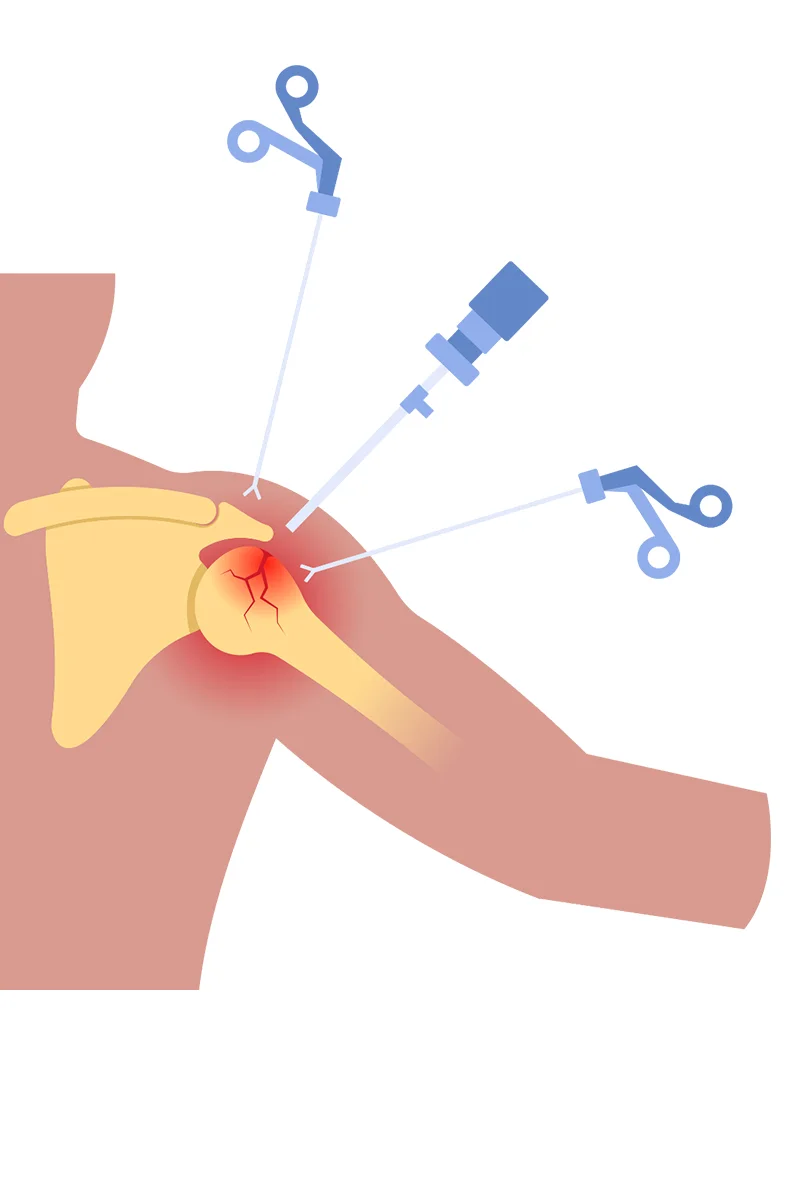
Arthroscopy is a modern surgical technique that allows for minimally invasive examination and treatment of joints. During the procedure, the surgeon inserts a thin, camera-equipped instrument, called an arthroscope, into the affected joint. The camera transmits a live image to a monitor, through which the surgeon can thoroughly examine the problematic area and perform targeted interventions.
One of the greatest advantages of arthroscopic surgeries is that they involve smaller incisions, which reduces post-operative pain, shortens recovery time, and lowers the risk of complications compared to traditional open surgeries. During the procedure, damaged cartilage surfaces, joint ligaments, or tendons can be removed or repaired, and inflammatory and degenerative changes can also be treated.
In most cases, personalized rehabilitation is required after surgery to help regain joint mobility and strength. Physiotherapy, performed under the guidance of a doctor and physiotherapist, is crucial for full recovery and a swift return to daily activities.
When might upper limb arthroscopic surgery be necessary?
Arthroscopy may be necessary in the following cases:
- Persistent shoulder, elbow, or wrist pain: If the pain does not subside with rest and hinders daily activities.
- Restricted range of motion: If the affected joint is difficult or limited to move, for example, difficulty raising the arm in the case of shoulder arthroscopy.
- Sports injuries: Common indications include the treatment of cartilage injuries, tendon ruptures, and ligament injuries, especially among active athletes.
- Rotator cuff rupture: Rotator cuff surgery becomes necessary if conservative treatments do not bring improvement and movement restriction or pain becomes persistent.
- Cartilage degeneration: Damaged cartilage fragments can be removed and degenerative changes treated during elbow and wrist arthroscopy.
- Chronic tendon inflammation: If joint inflammation persists long-term and conservative therapy is ineffective, upper limb arthroscopic surgery offers an opportunity to remove inflammatory tissues.
Dr. György Kocsis PhD
Orthopedic-Traumatologist, Chief Hand Surgeon, University Assistant Professor, Wrist, Elbow, and Shoulder Surgeon, Upper Extremity Specialist
Online appointment booking for the Bokor Street clinic:
Please select the service that suits you
The follow-up fee is valid for 3 months after the initial examination for the same complaint.
- 1. Select the requested service from the drop-down menu!
- 2. Use the calendar to choose a suitable appointment time!
- 3. Register by entering your details, or log in with your previous registration!
- 4. If you wish to book on behalf of another person (e.g., your child), please indicate this in the designated field!
- 5. Briefly describe your complaints!
- 6. Select the type of consultation: initial examination, follow-up examination, or prescription.
- 7. Click the button to complete the appointment booking. Thank you for choosing BMM!
If you are unable to attend your scheduled appointment, please notify us of your cancellation at least 24 hours in advance. This allows other patients the opportunity to receive timely medical care. Thank you for your cooperation and understanding!
Cancellation: +36 1 44 33 433
If you cannot find an available appointment for your selected week, please call our call center at +36 1 44 33 433 for further assistance! Our staff will be happy to help you schedule an appointment with your chosen physician or another specialist according to your complaint.
Shoulder Arthroscopy
Shoulder arthroscopy is a minimally invasive surgical procedure that effectively treats shoulder joint problems, reduces pain, and helps regain range of motion. Arthroscopic shoulder surgery is performed through smaller incisions, resulting in faster healing and fewer complications compared to traditional open surgeries. Shoulder arthroscopy is a modern procedure in shoulder surgery that can provide solutions for many musculoskeletal problems.
When is shoulder arthroscopy needed?
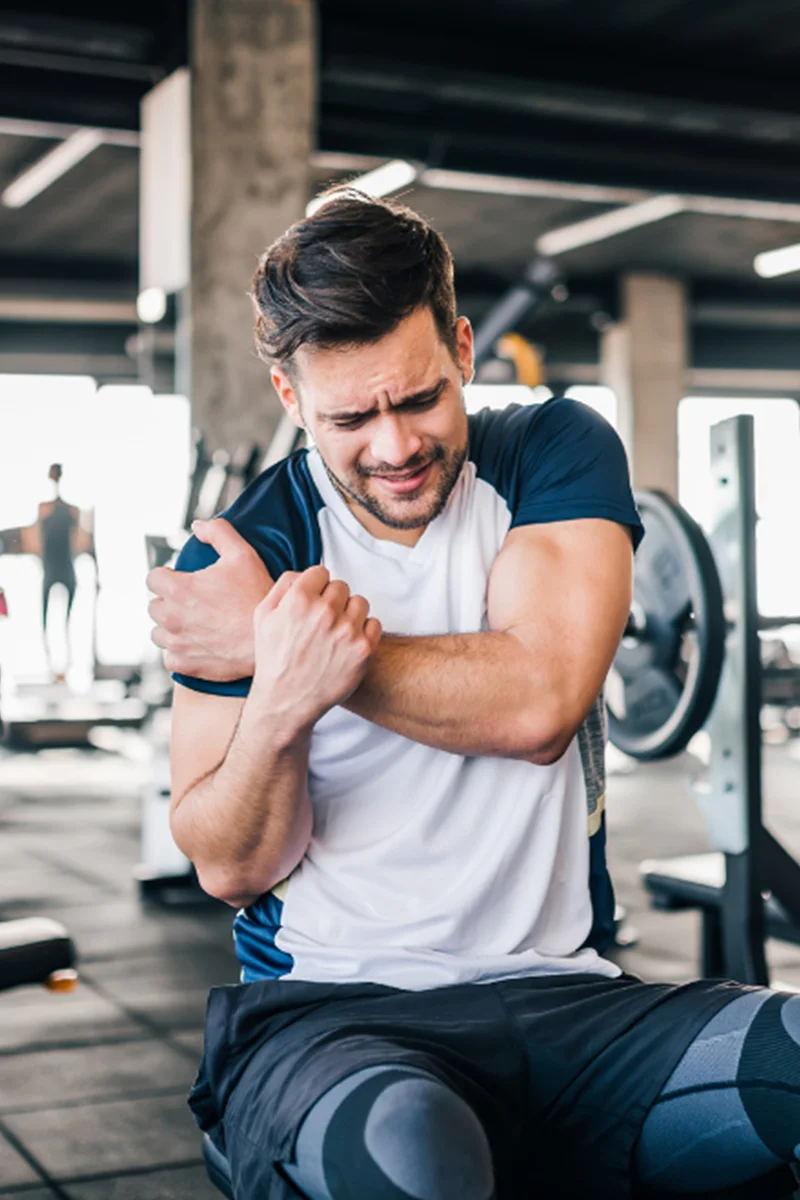
Injuries and changes in the shoulder joint often cause pain, restricted movement, and instability. Shoulder arthroscopy is particularly recommended in the following cases:
- Rotator cuff rupture surgery: If the rotator cuff, which stabilizes the shoulder muscles, is injured, it can cause restricted movement and persistent pain. The surgical intervention aims to repair the tendons and improve shoulder function.
- Impingement syndrome (shoulder impingement): This condition occurs when joint structures rub against each other during shoulder movement, causing pain and inflammation. The arthroscopic procedure helps to free up the narrow space.
- Shoulder dislocation or instability: In cases of recurrent shoulder dislocations or chronic instability, shoulder arthroscopy allows the surgeon to repair damaged structures to prevent further joint damage.
- Frozen shoulder syndrome (adhesive capsulitis): This painful condition involves a gradual restriction of shoulder joint movement, caused by thickening and adhesion of the joint capsule. If conservative treatments (physiotherapy, injections) do not bring improvement, arthroscopic shoulder intervention can help loosen adhered tissues and restore range of motion.
How is arthroscopic shoulder surgery performed?
During the arthroscopic shoulder surgery procedure, the surgeon inserts the arthroscope, a thin, camera-equipped instrument, through several small incisions. This allows for precise examination of the joint and performance of necessary interventions.
- The surgery can be performed under general or local anesthesia.
- The type of intervention depends on the nature of the condition: removal of cartilage injuries, repair of tendon ruptures, or treatment of instability.
- Due to smaller incisions, pain after arthroscopic surgery is generally milder, and recovery time is shorter than with open surgeries.
Dr. Balázs Gloviczki PhD
Chief Orthopedic-Traumatologist, Shoulder Specialist
Online appointment booking for Budafoki út clinic:
Please select the service that suits you
The fee for a follow-up consultation is 35,000 Ft, within 3 months after the initial examination, for the same complaint.
- 1. Select the requested service from the drop-down menu!
- 2. Use the calendar to choose a suitable appointment time!
- 3. Register by entering your details, or log in with your previous registration!
- 4. If you wish to book on behalf of another person (e.g., your child), please indicate this in the designated field!
- 5. Briefly describe your complaints!
- 6. Select the type of consultation: initial examination, follow-up examination, or prescription.
- 7. Click the button to complete the appointment booking. Thank you for choosing BMM!
If you are unable to attend your scheduled appointment, please notify us of your cancellation at least 24 hours in advance. This allows other patients the opportunity to receive timely medical care. Thank you for your cooperation and understanding!
Cancellation: +36 1 44 33 433
If you cannot find an available appointment for your selected week, please call our call center at +36 1 44 33 433 for further assistance! Our staff will be happy to help you schedule an appointment with your chosen physician or another specialist according to your complaint.
Elbow Arthroscopy
When is it recommended?
Injuries and degenerative changes in the elbow joint can cause significant pain and restricted movement. Arthroscopic elbow surgery is particularly indicated in the following cases:
- Tennis elbow: Tendon inflammation caused by chronic overuse or repetitive movements, leading to persistent pain. The arthroscopic procedure can remove inflamed tissues and reduce pain.
- Cartilage injuries: Damaged or detached cartilage fragments can lead to obstruction of joint movement and pain. These can be removed during the intervention, promoting unimpeded movement.
- Chronic inflammation: In cases of long-term joint inflammation, arthroscopic intervention can help remove inflammatory tissues and relieve stress on the joint.
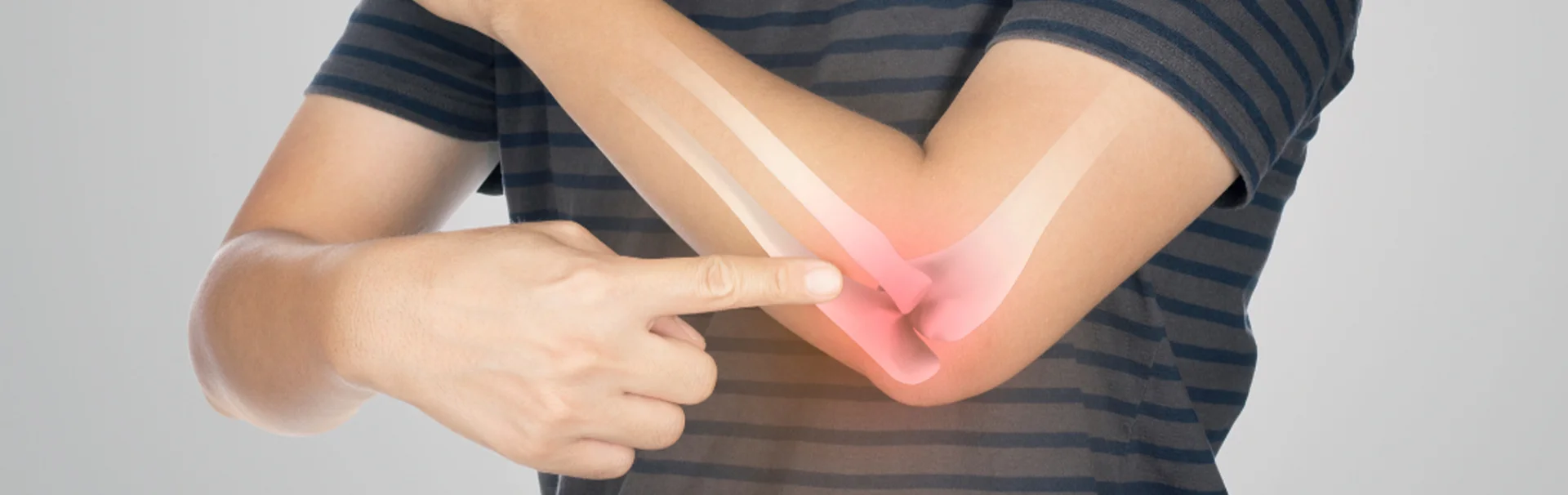
Elbow Arthroscopic Surgery Procedure and Recovery
During the surgery, the surgeon inserts the arthroscope and necessary surgical instruments through several small incisions. The intervention is performed under regional anesthesia or general anesthesia and focuses on treating the problematic area.
Post-operative pain is generally well-tolerated and subsides within a few days. Physiotherapy is crucial for regaining range of motion and restoring joint stability.
Return to sports activities occurs gradually, depending on the severity of the condition. After simpler interventions, everyday movements can be regained within 2-4 weeks, while for more strenuous activities, full recovery may take 2-3 months.
Wrist Arthroscopy
When might wrist arthroscopy be necessary?
If persistent wrist pain or reduced range of motion occurs, arthroscopic surgery can provide an effective solution in the field of hand surgery in the following cases:
- Ligament injuries: Partial or complete rupture of wrist ligaments can cause instability and pain, leading to restricted movement in the long term. These can be repaired with arthroscopy.
- Cartilage degeneration: Pain and stiffness resulting from damage to the joint cartilage can be treated by cleaning the affected area or with interventions that promote cartilage surface regeneration.
- Sports injuries: Wrist injuries, such as cartilage damage and ligament problems caused by overuse or sudden trauma, often require surgical intervention.
How is wrist arthroscopic surgery performed?
During the procedure, the surgeon inserts the arthroscope and specialized surgical instruments into the wrist joint through small incisions. The surgery is performed under regional anesthesia or general anesthesia and specifically treats the problematic area.
Recovery time varies depending on the nature of the intervention, but return to everyday activities typically takes 2–6 weeks, while more intense physical exertion and sports can be gradually reintroduced over 2–3 months. Consistent physiotherapy and adherence to medical guidance are essential for successful recovery.
Recovery and Rehabilitation
Recovery time after upper limb arthroscopic surgery varies individually, but it can be significantly accelerated with proper rehabilitation. The goal is to reduce pain, restore range of motion, and regain joint stability.
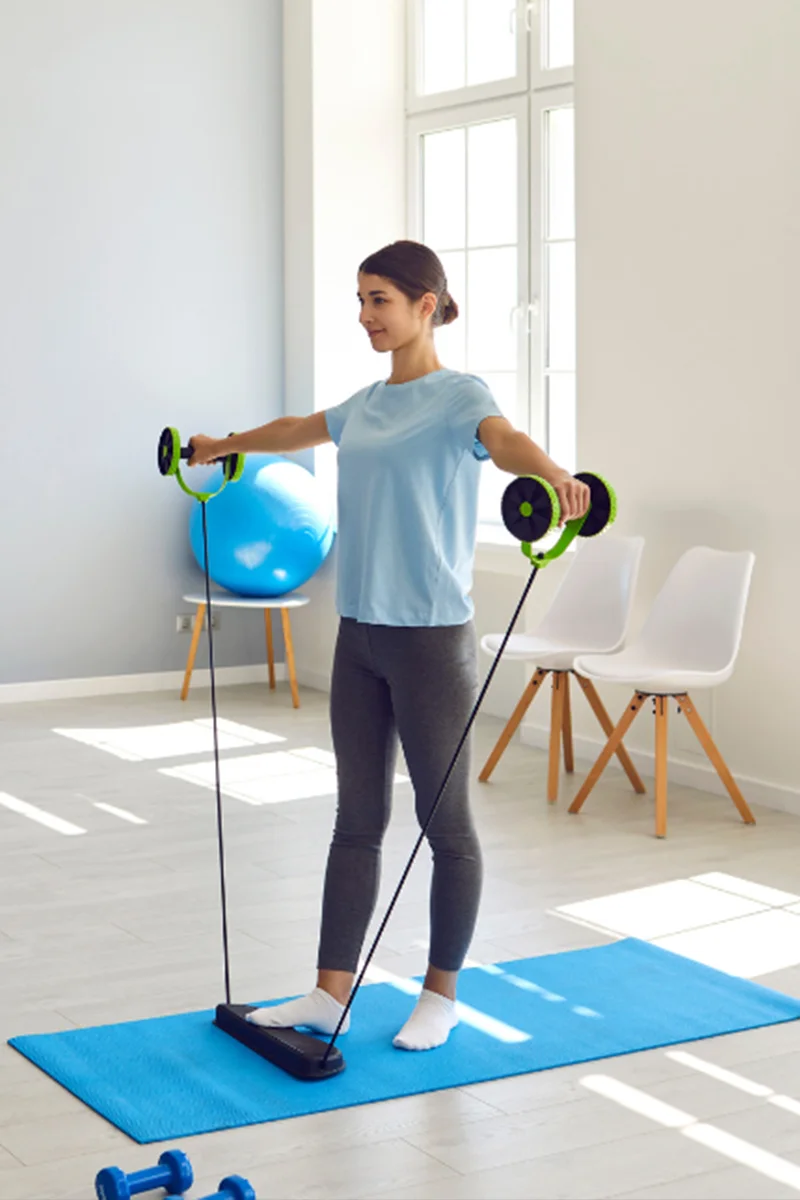
How long is recovery after rotator cuff surgery?
The pace of healing depends on the nature of the intervention performed, but it can generally be divided into the following stages:
- First week: Rest, minimal movement, arm immobilization may be necessary.
- Weeks 2-6: Commencement of physiotherapy, gradual restoration of range of motion.
- Months 3-6: Strength-building exercises, regaining full mobility, gradual return to sports activities.
Pain after surgery – how long is it normal?
In the first few days, swelling and pain are natural reactions, which can be alleviated with painkillers and icing, among other methods. Pain gradually decreases, but if it persists or intensifies after 6-8 weeks, it is advisable to consult a doctor.
For successful rehabilitation, consistent physiotherapy and adherence to medical instructions are important. If you have any questions about recovery, please feel free to contact our specialists!
Dr. György Kocsis PhD
Orthopedic-Traumatologist, Chief Hand Surgeon, University Assistant Professor, Wrist, Elbow, and Shoulder Surgeon, Upper Extremity Specialist
Sports after Upper Limb Arthroscopic Surgery
The full recovery period depends on the type of upper limb arthroscopic surgery performed and the individual healing process. Rehabilitation gradually rebuilds joint mobility and load-bearing capacity, so it is important to follow the guidance of the treating physician and physiotherapist.
When can you return to active movement?
Sports can be gradually reintroduced as healing progresses:
- Light activity (e.g., walking, stationary bike): after 4-6 weeks
- Moderate intensity sports (e.g., swimming, jogging): after 3 months
- High intensity and contact sports (e.g., basketball, handball): after 6 months
Overloading too early can increase the risk of injury, so it is always advisable to consult a specialist for a safe return.

Book an appointment by phone

Online Appointment Booking