Shoulder pain


What is worth knowing about shoulder pain and its cause?
Shoulder pain is a common complaint that can have a negative impact on quality of life.
Because of the complex structure of the shoulder girdle, there are many different problems that can arise:
- Muscle and tendon complaints
- Joint degeneration
- Shoulder joint inflammation, e.g. inflammation of the bursitis
- Impingement syndrome
- Pain in the apex of the shoulder
- Various injuries
Often , these abnormalities develop slowly, for example due to prolonged overexertion or poor posture. However , a single wrong movement can lead to injury.
The frequency of shoulder complaints increases with age. In addition, shoulder problems are most common at a younger age, especially in people who do heavy physical work or in sports.
In all cases, early detection of symptoms is important to avoid serious illness.
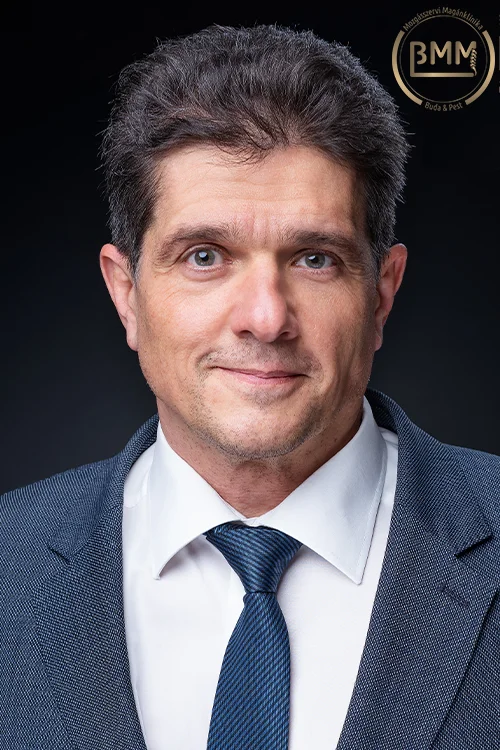
Dr. György Kocsis PhD
Orthopedic-Traumatologist, Chief Hand Surgeon, University Assistant Professor, Wrist, Elbow, and Shoulder Surgeon, Upper Extremity Specialist
Online appointment booking for Bokor Street:
Please choose the service that suits you
Control fee: 32 000 HUF, for 3 months after the initial examination, for the same complaint.
- 1. Select the service you want from the drop-down box.
- 2. Use the calendar to choose a date that suits you!
- 3. Enter your details to register or login with your previous registration.
- 4. If you would like to book on behalf of someone else (e.g. your child), please let us know at the place indicated.
- 5. Briefly describe your complaints!
- 6. Choose the type of consultation: initial examination, control examination or prescription.
- 7. Click on the button to book your appointment. Thank you for choosing BMM!
If you are not able to come to the appointment you have already booked, please let us know at least 24 hours in advance.
This gives other patients the opportunity to get the medical care they need in time. Thank you for your cooperation and understanding!
Cancellation: +36 1 44 33 433
If you can’t find an appointment for the week of your choice , please call our call-centre on+36 1 44 33 433 for further assistance. Our staff will be happy to help you make an appointment with the doctor of your choice or another specialist according to your complaint.
Nature and symptoms of shoulder pain
- Pain that makes it difficult to sleep at night
- Cutting, sharp pain
- Dull pain, which increases with certain movements, may also be accompanied by a shooting sensation
- As a result of the pain, the patient starts to spare the shoulder, which leads to a reduction in movement. This only exacerbates the symptoms
- Elbows, pain radiating towards the forearm
What are the most common types of problems caused by shoulder pain?
Different problems and diseases of different origins can produce slightly different symptoms. However, in many cases, persistent pain, swelling and reduced mobility are signs of the problem. The severity of specific symptoms and complaints may depend largely on the type of specific problem and the patient’s state of health. It is therefore advisable to consult a specialist as soon as possible if you have shoulder pain.


- A shoulder joint inflammation is typically associated with pain, swelling and stiffness, especially in the morning.
- Joint degeneration, or arthritis, can also cause similar symptoms, with the difference that the symptoms may increase during the day with exertion.
- A rotator cuff syndrome can be extremely painful and can limit shoulder movement.
- A dislocation of the shoulder or dislocation causes acute, severe pain. Joint reconstruction requires specialist intervention.
- A frozen shoulder the shoulder becomes stiff. Causing long-term discomfort and pain.
- A bursitis refers to inflammation of the bursa (a fluid-filled sac in the shoulder that reduces friction in the joints). The most common cause of bursitis is from overuse or injury. Symptoms include pain, swelling and redness during movement.
- Impingement syndrome occurs when the tissue in the shoulder joint is compressed between the shoulder bone and the shoulder joint. This is usually due to the anatomy of the shoulder, injuries to the rotator cuff, or overuse of the shoulder joint. Symptoms include pain, weakness and limited mobility when the arm is raised.
What are the most common physical causes of shoulder pain?
- Overwork
is particularly common among athletes and people who do heavy physical work. Often repetitive, monotonous movements, such as lifting weights or throwing, can cause cumulative damage over the long term. - Injuries
Includes dislocated shoulders, fractures, ruptured ligaments and joints, which can result from a single wrong movement. Because of the complex structure of the shoulder joint, even mild trauma can result in permanent pain and limitation. - Joint inflammation and joint degeneration
The cause of joint inflammation is genetic or lifestyle related. Over time, joint degeneration worsens, increasing friction between the bones, causing pain and stiffness. - Other diseases
Some diseases, such as diabetes or thyroid problems, can contribute to shoulder disease. In addition, an autoimmune disease or even an infection may be involved. Inflammation in the body can also affect the joints, aggravating the pain. - Incorrect posture
Incorrect posture can contribute to shoulder pain. This type of problem is most common in sedentary workers. This type of problem is common mainly in sedentary workers. They need to pay more attention to correct posture and exercise during the day.
What are the most common psychological causes of shoulder pain?
Long-standing and persistent shoulder pain can often be caused by psychological problems and muscle strain. Therefore, in addition to a physical examination of the joint, it is also worth exploring and treating psychological difficulties.
- Emotional overload and stress
Emotional stress and feelings of internal pressure can have a physical impact on the body. It can cause pain and stiffness in the shoulders and neck. It is in these parts of our body that we “bear” the stressful loads. - Responsibility
If we carry too much responsibility or feel our burdens are heavy, it can manifest as shoulder pain. - Fear of change
People often “carry” the fear of change and the unknown on their shoulders. - Subconscious repressions
Repressed emotions (such as grief or anger) can also manifest as physical discomfort or pain. - Lack of self-worth
The shoulders and neck area are associated with confidence and self-worth. Low self-esteem and excessive self-criticism can manifest as shoulder pain.
To maintain mental balance and physical wellbeing, it is worth doing some self-awareness activities. Meditation, relaxation techniques and time spent in nature can be a great way to reduce stress and achieve a balanced weekday. In case of more serious psychological problems or crises, however, it is worth seeking professional help.
Diagnostics
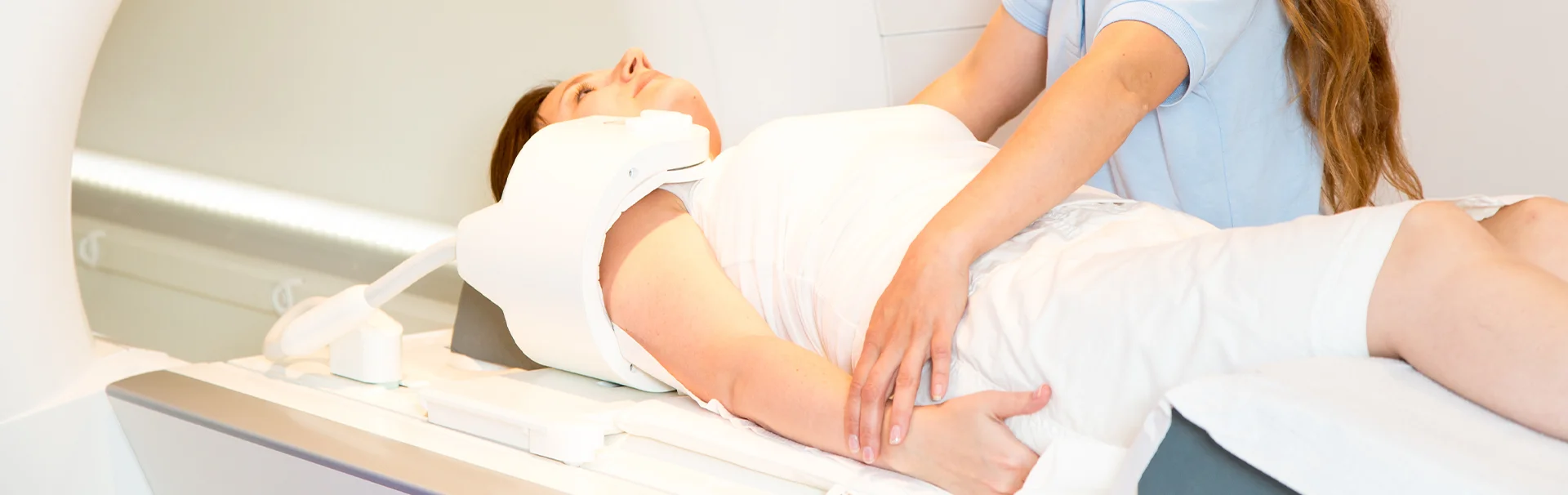
The physical examination performed by the doctor is complemented by other forms of diagnostic imaging. The ultrasound, the X-ray, the MR and, if necessary, CT scan, help to map the joint as fully as possible and to pinpoint the problem. Accurate diagnosis is essential in determining a personalised treatment plan.
Doctor-performed ultrasound
An accurate diagnosis is essential to choose the right treatment. Therefore, in addition to the physical orthopaedic examination,Dr. Bálint Major, shoulder specialist, will also perform an ultrasound examination of the patient’s shoulder joint.
Based on the ultrasound images, he can determine the cause of the shoulder joint pain. He will then recommend a treatment.
For cartilage replacement by injection, the treatment is ultrasound-guided. This allows the substance to be injected into the problematic area with the highest precision.
Artro-MR
Even more detailed results than conventional MRI scans can be obtained with the so-called Artro-MR diagnostic procedure.
The so-called contrast medium is injected directly into the shoulder joint. The contrast agent helps to visualise the internal structures of the joint, including cartilage, joint capsule, joint ligaments and meniscus.
How can shoulder pain be prevented?
The causes of shoulder pain and shoulder problems can vary widely. Injuries and genetic causes are difficult to eliminate, but you can make a big difference to your shoulder health by making the following lifestyle changes:

Strengthening the muscles of the shoulder and upper body
Toned, strong shoulder muscles support and protect the shoulder joint. By performing specific exercises, problems caused by shoulder weakness can be prevented. To learn the right exercises, it is worth seeking the help of a physiotherapist.
Avoiding repetitive strain
Repetitive movements, especially high intensity or heavy weights, can damage the shoulder joint. By taking breaks between each movement and varying the type of movement you do, you can do a lot to keep your shoulder in optimal condition.
Rest and recuperation
If the shoulder is painful or fatigued, it is important to ensure adequate rest. This includes getting quality sleep and reducing stress.
Correct posture
Improper posture can contribute to the appearance of shoulder pain. In particular, prolonged sitting or standing has a negative physiological effect. By keeping your back straight, you can do a lot for the health of your shoulders.
The importance of stretching exercises
Regular stretching can help maintain shoulder flexibility and prevent injuries.
Healthy lifestyle
Eating a healthy diet and getting enough exercise that is easy on the joints can help keep the body, including the shoulder, healthy.
Treatment options
Conservative therapy
If the shoulder problem in question does not require immediate surgical intervention or prosthesis, the doctor will most often prescribe conservative therapy. This may include medication and injections, a physiotherapyand other physical and physiotherapy treatments.
Physiotherapy
Physiotherapy is clearly the central element of conservative therapy. It aims to strengthen the shoulder joint and surrounding muscles, improve range of motion and relieve pain. Exercises are performed under the guidance and supervision of a specialist to ensure correct technique and avoid possible injury.
Physiotherapy is tailored to individual needs and abilities, so the intensity and complexity of the exercises gradually increases as the patient’s condition improves.
Exercise can be complemented by other physiotherapy methods. These treatment methods include electrotherapy, ultrasound, laser therapy and heat therapy. These methods are often used in the treatment of shoulder pain as they stimulate blood circulation, help reduce inflammation and increase tissue regeneration.
Essential oils
Physical treatments should be complemented by therapies that work on the soul. This can help to relieve any psychological stress that may have caused the shoulder problem or developed after the shoulder problem was diagnosed.
Essential oils can help relieve stress, promote relaxation and improve general well-being. Although they are not a substitute for traditional medical treatments and do not cure shoulder pain of psychological or psychological origin, some essential oils can help to reduce stress and thus indirectly relieve shoulder pain.
- Lavender
Well known for its soothing properties. It can help improve sleep quality, which is particularly important in the treatment of pain. - Rose
Rose oil is often used to promote emotional well-being and increase self-worth. - Bergamot:
Bergamot oil is known to be a good stress and anxiety reliever. - Ylang-ylang
It can help to restore emotional balance and help to manage anger and frustration.
Surgical solutions
Arthroscopy
Arthroscopic surgery is a minimally invasive surgery performed using a medical endoscope. The arthroscope (a long tube with a camera and light source at the end) is inserted through a small incision in the shoulder to the desired site. The image from the camera, which is guided into the joint, is displayed on a high-resolution monitor.
This allows the doctor to use special surgical instruments to perform various surgical procedures, such as removing damaged tissue, fixing joint ligaments or suturing the rotator cuff.
The advantage of arthroscopic surgery is that it results in less tissue damage and a shorter recovery time than traditional surgical procedures with a surgical approach.
Shoulder prosthesis implantation
Shoulder replacement surgery is usually performed in cases of joint degeneration, joint inflammation and injuries.
The implantation of implants can be a solution for patients when conservative treatments are ineffective. The implant can eliminate persistent shoulder pain and restore a healthy range of motion.
Thanks to the most modern surgical techniques and high quality implants available, shoulder replacement surgery can be a safe and optimal solution.
When should you choose a specialist in shoulder surgery and when should you choose a rheumatologist?
- If the shoulder complaint has a proximal onset, or is caused by a muscle strain induced by a bad movement, it is advisable to see the specialist rheumatologist a specialist. This is particularly true at a young age.
The specialist rheumatologist can help mainly with inflammatory joint diseases, autoimmune arthritis and systemic connective tissue diseases. If the shoulder pain is associated with swelling, symptoms that occur with other joints, or accompanying symptoms such as fever, skin symptoms or fatigue, it is advisable to consult a rheumatologist. - Specialist in shoulder surgery is recommended when the shoulder pain is clearly due to an injury, joint instability or mechanical problem. If the symptoms are related to e.g. shoulder dislocation, fracture, rotator cuff injury or conservative treatments such as drug therapy and physiotherapy do not improve, a shoulder surgery consultation may be necessary.
Specialists at the BMM

Dr. Bálint Major
Specialist in orthopedics and traumatology
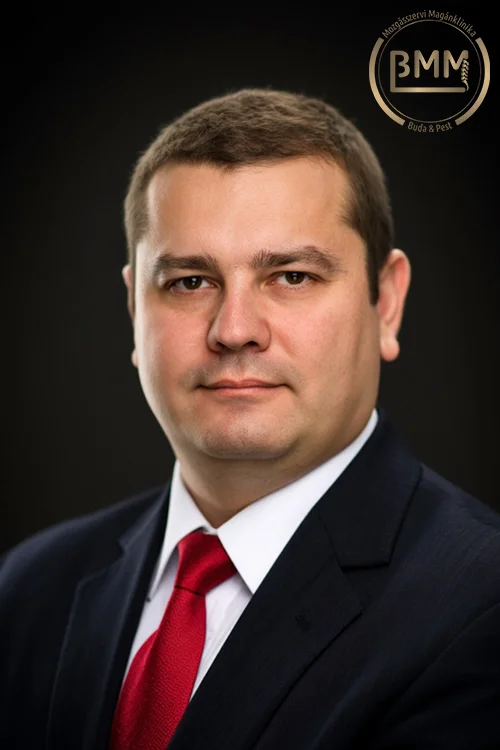
Dr. Balázs Gloviczki PhD
Chief Orthopedic-Traumatologist, Shoulder Specialist
Dr. György Kocsis PhD
Orthopedic-Traumatologist, Chief Hand Surgeon, University Assistant Professor, Wrist, Elbow, and Shoulder Surgeon, Upper Extremity Specialist
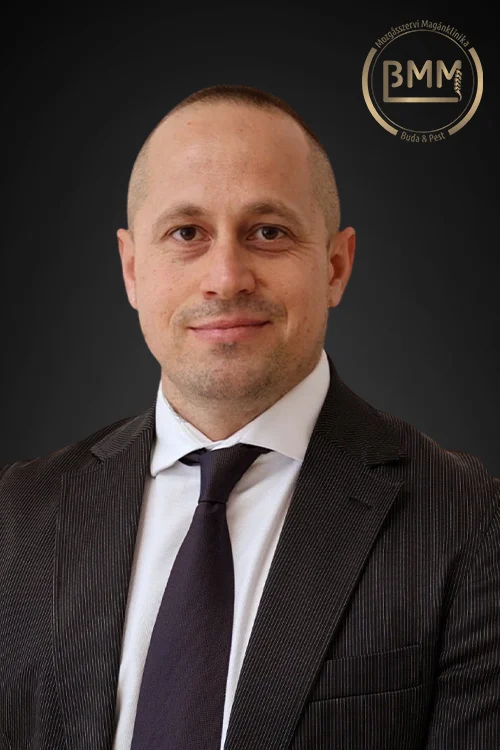
Dr. János Bartha
Chief Orthopedic-Traumatologist, Robotic Surgeon

Dr. Flórián Szeles
Rheumatologist general practitioner

Dr. Dóra Mihola
Rheumatologist specialist

Dr. Gréta Sterba
Rheumatologist specialist