
What should you do if you lose muscle mass?
What should you do if you lose muscle mass?
Author: Dr. Gréta Sterba | March 4, 2025


Dr. Gréta Sterba, the rheumatologist at BMM, gave an expert interview on the common rheumatological condition known as sarcopenia on the program *Családi Kör*.
What is muscle loss?
Dr. Gréta Sterba, a rheumatologist at BMM, frequently encounters symptoms of so-called muscle loss in her practice. Muscle loss ( also known as muscle mass loss) refers to a gradual or sudden decrease in the body’s muscle mass. This can occur as a natural process with advancing age—meaning everyone experiences it to some extent—but it can also be the result of illness, inactivity, or other health issues.
The loss of muscle mass not only leads to a decrease in strength and mobility, but can also cause more serious health problems, such as loss of balance, an increased risk of bone fractures, or a loss of independence in daily activities.
Learn more about sarcopenia
Sarcopenia is an age-related loss of muscle mass and strength that primarily affects older adults. This condition develops gradually and can affect mobility, balance, and independence. If you experience weakness, loss of balance, or decreased muscle strength, you should seek a medical evaluation.

How can we prevent sarcopenia?
“We need to build muscle, and we need to do so using a variety of methods.”
The key to prevention is an active lifestyle and a healthy diet:
- Regular exercise – Strength training at least 2–3 times a week (e.g., weight training, squats, push-ups, stationary cycling) helps maintain muscle mass.
- A Balanced Diet – Eat enough protein and healthy fats, and avoid excessive sugar intake.
- Vitamin D and calcium supplementation – These minerals help maintain healthy muscles and bones.
The key to prevention is adopting and maintaining long-term lifestyle changes. This way, we can maintain our ability to move independently and carry out daily activities even as we grow older.
Who is affected by sarcopenia?
Sarcopenia primarily affects older adults, but not exclusively. The following groups are at increased risk:
- Older Adults – After age 60, the natural loss of muscle mass accelerates, and if not accompanied by adequate physical activity, sarcopenia can easily develop.
- People with a sedentary lifestyle —those who are physically inactive or bedridden for long periods (e.g., due to injury or illness)—are more likely to experience muscle loss.
- Patients with chronic conditions—such as diabetes, kidney disease, heart disease, chronic inflammation, cancer, and autoimmune diseases—are at increased risk of muscle loss.
- Malnourished people – Insufficient protein intake and low calorie intake accelerate muscle wasting.
- People exposed to chronic stress – High cortisol levels can have a muscle-wasting effect.
“I can illustrate this,” explains the rheumatologist, “by saying that muscle mass begins to decline around age 50, though it’s not yet noticeable. We gradually lose one and a half percent of our muscle mass each year. This rate accelerates as we get older, and by the time we reach 70, it doubles.”
What are the symptoms of muscle loss?
The symptoms of sarcopenia—age-related muscle loss—develop gradually and often cause only mild symptoms at first. The most common symptoms are as follows:
- Decreased muscle strength – Those affected feel weaker and have more difficulty lifting objects or performing their daily tasks.
- Deterioration in motor coordination – Gait may become unstable, and stumbling or falling may occur more frequently.
- Loss of Balance and Falls – Muscle weakness and instability increase the risk of falls, which can lead to serious injuries, such as fractures.
- Decrease in physical activity – Those affected are becoming less active because they tire more quickly and find it difficult to move.
- Visible loss of muscle mass – Muscle volume may decrease, and the limbs may become thinner.
- Increased fatigue – As a result of muscle loss, the body uses energy less efficiently, leading to faster fatigue.
Symptoms may gradually worsen if appropriate intervention is not provided.
How can we help alleviate the symptoms of muscle loss?
Although muscle loss is a natural process, it can be significantly slowed—and in some cases even reversed—with the right lifestyle and treatment. The following methods can help:
- Regular exercise – Workouts that build muscle strength, such as weight training, bodyweight exercises, or resistance training, can help maintain and rebuild muscle.
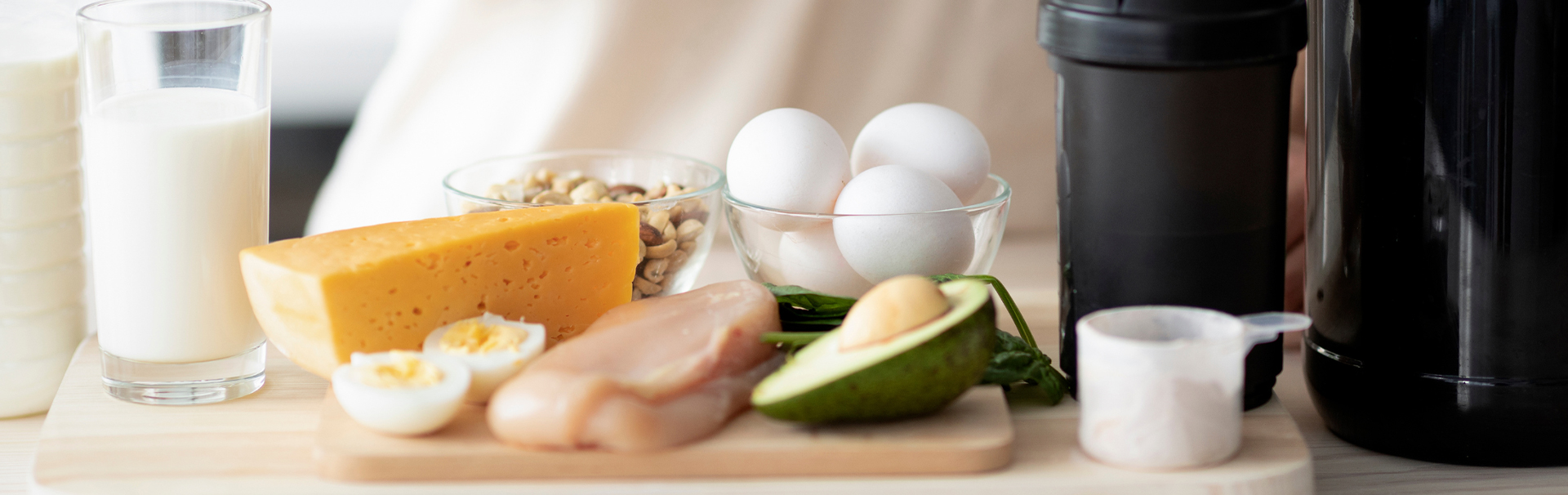
- Adequate protein intake – It is a good idea to include high-protein foods (meat, fish, eggs, dairy products, legumes) in your daily diet.
- Vitamin D and Other Nutrient Supplements – Vitamin D, magnesium, and B vitamins can help support muscle function.
- Physical Therapy – In some cases, physiotherapy led by a specialist can help restore muscle strength and improve mobility.
- Medication – In severe cases, hormone replacement therapy or other medications may be considered to help preserve muscle mass.
- Consumption of Amino Acids
How do essential amino acids help prevent muscle loss?
Essential amino acids play a key role in building and maintaining muscle. Since our bodies cannot produce these amino acids on their own, we must obtain them through our diet or dietary supplements.
What are essential amino acids?
Amino acids are the building blocks of proteins, which are necessary for the maintenance and regeneration of muscles, tissues, and cells. There are 20 different amino acids in the human body , 9 of which are essential— meaning we must obtain them through our diet. Among these, leucine, isoleucine, and valine make up the BCAAs (branched-chain amino acids), which are particularly important for stimulating muscle protein synthesis and reducing muscle breakdown.
How can we ensure we get enough essential amino acids?
1. With natural foods
The best sources of essential amino acids are animal-based proteins, because they are complete proteins—that is, they contain all the essential amino acids.
Best sources:
- Meats: chicken, beef, pork, turkey
- Fish and seafood: salmon, tuna, crab
- Dairy products: cheese, cottage cheese, yogurt
- Eggs
- Legumes: lentils, beans, chickpeas
- Quinoa and soy – plant-based, complete sources of protein
2. With dietary supplements
If someone is unable to get enough protein from their diet (for example, vegetarians or older adults), then essential amino acid (EAA) supplements or BCAAs (branched-chain amino acids) can be helpful in maintaining and rebuilding muscle mass.
When is the best time to eat them?
- On an empty stomach – for rapid absorption
- Before or after a workout —to support muscle building and recovery
- In later life, on a daily basis— to prevent sarcopenia
Essential amino acids play a vital role in combating muscle loss. They help stimulate muscle protein synthesis, reduce muscle breakdown, speed up recovery, improve physical performance, and support metabolism.
Preventing muscle loss is therefore important, and an experienced specialist in rheumatology can help you slow down this process by assessing your individual condition and recommending the most appropriate treatment.