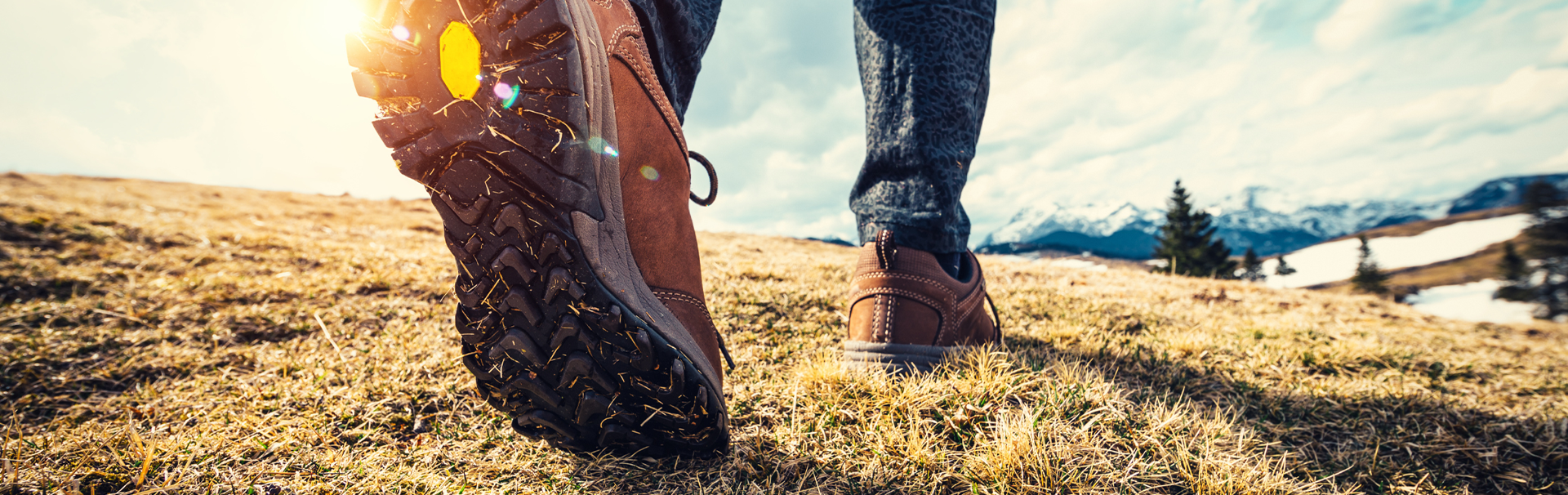
Choosing Shoes from an Orthopedic Perspective
Choosing Shoes from an Orthopedic Perspective
Author: Dr. Bence Balázs Moravcsik | March 11, 2025


On the Kossuth Radio program, with the help of orthopedic specialist Dr. Bence Balázs Moravcsik and experienced orthopedic shoemakers, we explored how to choose shoes that support the foot’s structure, prevent the development of deformities, and alleviate existing symptoms.
What kind of shoes should you wear in the spring?
As spring arrives, more and more people are swapping out their closed-toe winter shoes for lighter shoes or even slippers. However, it’s crucial for foot health to choose new shoes carefully—after all, not all fashionable footwear is suitable from an orthopedic standpoint.
Why is it especially important to pay attention to changing shoes?
In the spring, we typically switch to lighter, more open-toed shoes. However, these shoes often do not provide adequate support for the heel, the ankle area, or the arches of the foot. This can lead to overuse, a collapse of the arches, and the development of various painful conditions.
What kinds of problems might arise?
- Heel pain, development of heel spurs
- ESR of the longitudinal and transverse vaults
- Calluses, corns, and tender pressure points
- Worsening of symptoms associated with a bunion or hammertoe
What is a knuckle?
A bunion is the outward deviation of the base of the big toe, causing the big toe to bend toward the other toes. As a result of this deformity, a bony protrusion develops at the base of the big toe, which can rub against the shoe, causing pain and inflammation.
What is a hammer toe?
A hammer toe is an abnormal curvature of one or more toes, in which the toe joints bend inward, causing the toe to take on a “hammer” shape. This deformity is often associated with an ESR of the transverse arch and may also occur in conjunction with bunions.
What is a spur?
A heel spur is a bony growth that forms on the lower part of the heel bone, typically due to overuse of the plantar fascia. A common symptom is severe, stabbing heel pain, especially upon waking in the morning or when standing up after sitting for a long time.
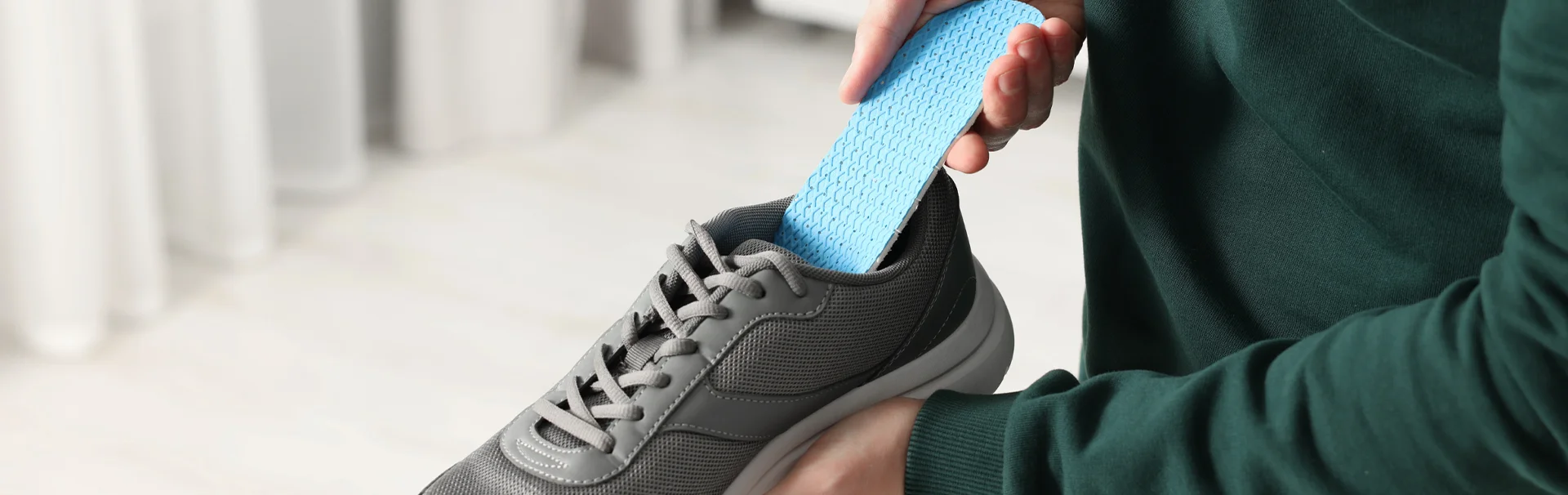
Why is it important to wear shoes from the field of orthopedics?
Orthopedic shoes do more than just help treat existing problems. Their main benefit is that they can prevent disruptions to the foot’s static balance, correct improper weight distribution, and protect joints, muscles, and tendons in the long term—not just in the foot, but throughout the entire musculoskeletal system. Choosing the right shoes is not a luxury, but an investment in your health.
Why is choosing the right shoes especially important during childhood?
The development of the foot is determined during childhood. Young children are born with flat feet, and as they learn to walk—through movement and appropriate stimuli—the arches of their feet develop. This process continues until around age 6–7 and stabilizes by age 10–12.
That is why it is especially important to have your child wear shoes during this period that do not hinder but rather support natural development. If you notice that your child’s ankles roll inward or that their footprint shows too much of the sole (for example, in a wet footprint test), it’s a good idea to schedule a consultation with an orthopedics specialist.
How can you tell if you’re wearing the wrong shoes?
- The shoes are too tight, pinch, or rub the feet
- The toes get crammed together in it
- The sole is too soft, or, on the contrary, too stiff
- She feels unsteady in it while walking
- Calluses or pain develop at the base of the toes, on the heel, or in the center of the sole
Wearing improper footwear can also lead to a shift in the static axis over the long term. This means that improper weight distribution on the foot can alter the function of the knee, hip, or even the spine. This can lead to further problems—such as pain, inflammation, and wear and tear.

Summer Shoes—Comfort or Risk?
During the warmer months, many people prefer to wear slippers, sandals, or other open-toed shoes. However, from an orthopedics standpoint, these are not always the ideal choice.
What should you look for when choosing summer shoes?
- Heel Support: Many summer shoes—especially traditional flip-flops—do not provide heel support. This can be particularly dangerous for people with flat feet or fallen arches.
- Foot stiffness and arch: A completely flat foot does not provide adequate support. Soles that are too thin and flexible do not absorb shocks from the ground.
- Foot Support: The use of so-called “toe-separated” flip-flops is not recommended for extended periods, as the foot must constantly grip the footwear to prevent it from slipping off, which can cause muscle tension and pain.
What should you look for when choosing athletic shoes?
- Support your heel and ankle: The back of the shoe should be stiff; don’t let your ankle roll inward.
- Proper cushioning: The sole should be flexible but not too soft. A sole that is too soft does not absorb impact adequately, which can lead to knee and lower back pain.
- Durable and breathable fabric: Breathable fabrics reduce sweating, thereby lowering the risk of fungal infections and skin irritation.
When should you see an orthopedics specialist?
Don’t wait until you feel pain! Prevention is much more effective, and a well-chosen pair of shoes or insoles can delay the worsening of problems for years—and often prevent them entirely.
You should consult a specialist if:
- has regular pain in their legs, knees, hips, or lower back;
- notices a deformity—such as a bunion, hammertoe, or fallen arch;
- If you have flat feet, or frequently experience heel pain;
- Their child has a problem with walking or mobility.
An orthopedics specialist can help not only alleviate symptoms but also maintain proper foot alignment and posture—by selecting the right footwear and providing personalized solutions.