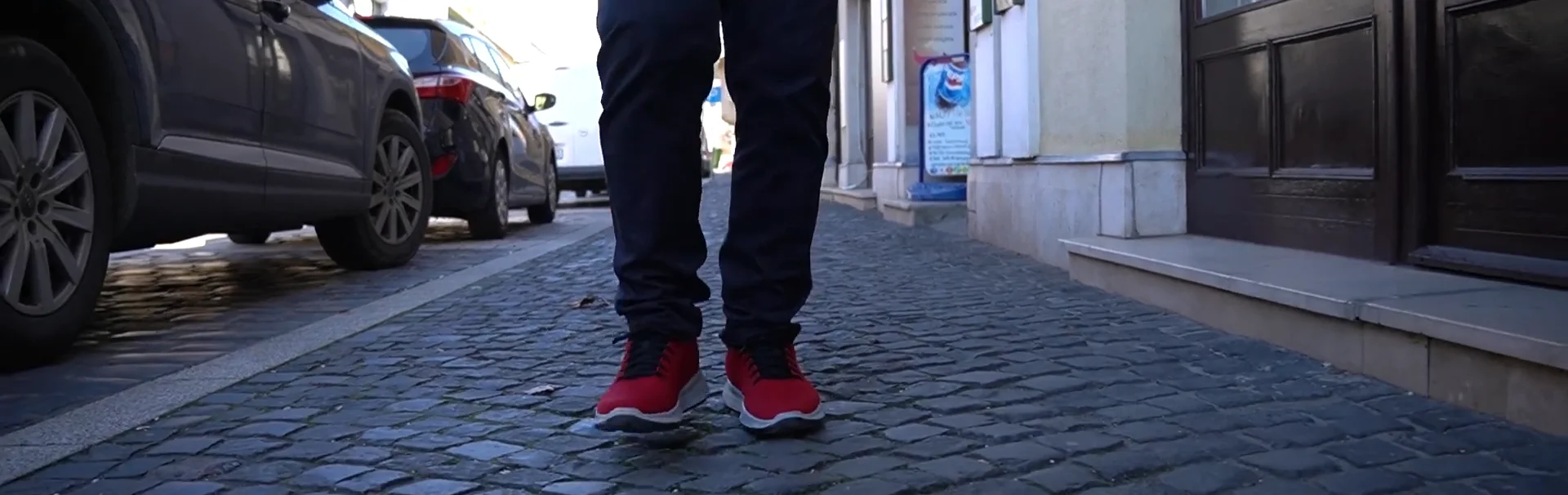
"I got my freedom of movement back" - an honest account of knee replacement surgery
author BMM | 2025.05.06.


Knee replacement surgery may seem like a scary option for many people, but in fact it can significantly improve the quality of life for many people. In this article, we tell the story of Gábor Podoski, a 66-year-old man from Budapest, Hungary, about his journey to the surgery, the operation and his recovery.
Why did the patient decide to have knee replacement surgery?
"My legs and most parts of my body were worn out from the intense sporting activity," says Gábor . The pain intensified over the years and finally it got to the point where he was actually looking forward to the operation.
He tried to delay the decision for a long time, but when he was only given a 14-month appointment for knee prosthesis surgery in the public system , he decided to seek the surgery in a private institution. The pain had become unbearable, and everyday movement was becoming very difficult.
How did the choice of doctor go?
Gábor was recommended to the right specialist, Dr. Szabolcs Gáspár orthopedic surgeon, because he was a challenging patient: both knees had advanced wear and tear, so a double prosthesis was needed. First, an implant was placed in the left knee.
How is a knee prosthesis implantation performed?
Minimally invasive knee replacement surgery is a modern procedure that uses a smaller incision and gentler technique than traditional knee prosthesis surgery. Before the intervention, the patient undergoes a detailed examination, during which the doctor plans the intervention based on X-rays and other diagnostic tests, using computer navigation or even robotic technology if necessary.
The surgeon makes an incision of about 8-12 centimetres in the front of the knee, and then reaches the joint by passing between the muscles rather than cutting through them. The worn cartilage surfaces at the ends of the femur and tibia are precisely removed and the bone surfaces are prepared for implantation of the prosthetic components. The components of the prosthesis - metal and plastic components - fit securely and ensure pain-free, free movement. The patient can start passive knee movement and physiotherapy on the day of surgery or the next day, which is key to a quick and effective rehabilitation. This intervention is associated with less tissue damage, shorter hospital stays and faster recovery, making it an ideal choice for those who want to return to an active life as soon as possible.

How was your post-operative rehabilitation?
The patient opted for home treatment, which was supported by his doctors.
They were part of his rehabilitation programme:
- Daily use of a knee exerciser
- Regular physiotherapy
- Icing and ice gel application to the operated area
With the help of his wife, he made it through the initial difficult weeks and by December 2024, the next milestone was reached: preparing for surgery on his other knee .
The second operation: now more routine
The second intervention took place on 14 January 2025 - this time on the right knee. The procedure was the same as the first, and the patient was much more prepared and confident.
Six weeks after the operation, a follow-up examination found that both prostheses were in excellent position, range of motion had returned and the patient had full use of her legs.
What to look out for before and after knee replacement surgery with a knee prosthesis?
It is important not to delay surgical treatment if the pain is persistent and makes everyday life difficult and conservative solutions (medication and injections) are no longer working. Pre-operative physiotherapy is also very important, but is essential during rehabilitation. With regular exercises and the use of a knee machine, recovery will take a few weeks.
When to start?
If the pain becomes chronic and affects your quality of life, it is not worth waiting any longer. Knee replacement surgery is a safe and effective way to regain pain-free movement.
"Many people ask me how the surgery was. I always tell them who and how I was treated - because I can now walk again without pain." - Gábor Podoski concluded.