Dealing with Back Pain: What Is the Right Mattress?

Dealing with Back Pain: What Is the Right Mattress?
Author: Dr. Bence Balázs Moravcsik | April 3, 2025


Musculoskeletal problems, especially spinal issues, are common in modern lifestyles. In this article, we’ll explain how the quality of sleep affects the condition of the spine and what to look for when choosing the right mattress.
Expertise in Spinal Health
The BMM is a leading center for musculoskeletal care in Hungary, where specialists from various fields work together to ensure effective and sustainable recovery. Dr. Bence Balázs Moravcsik, an orthopedic specialist and the clinic’s medical director, regularly emphasizes the importance of prevention, education, and personalized treatment. This is also true for spinal conditions.
Causes of Back Pain: The Challenges of Modern Life
Prolonged sitting, a sedentary lifestyle, and an unsuitable sleeping environment—especially an inappropriate mattress and pillow—can all contribute to the development of spinal problems . These issues not only cause physical pain but can also recur, significantly impairing quality of life.
Lumbago (lower back pain)
Lumbago is not a disease in its own right, but rather refers to sudden, severe pain in the lower back, which is most often the result of a muscle or ligament strain, a joint block, or joint inflammation of the small joints. The pain is sharp, worsens with movement, and limits daily activities. Treatment involves rest, local heat therapy, muscle relaxants, and targeted physiotherapy. The goal is to provide rapid pain relief and restore function as soon as possible.

Sciatica (sciatic nerve pain)
Sciatica is most often caused by pressure or irritation on the sciatic nerve in the lower spine, which can be caused by, for example, disc herniation, a slipped vertebra, or inflammation. Symptoms include lower back pain that radiates through the buttocks into one of the lower limbs—often accompanied by numbness, tingling, or muscle weakness. Treatment may include rest, pain relief, physiotherapy, and physical therapy.
Spinal Hernia (disc herniation)
In a herniated disc, the inner material of the intervertebral disc protrudes and puts pressure on the nerve roots. This can be caused by prolonged sitting, improper lifting, or a genetic predisposition. The most common symptoms include localized and radiating pain, numbness, muscle weakness, and sensory disturbances in the limbs. Treatment is conservative (involving medication, physiotherapy, and manual therapy), but surgery may be necessary in chronic or severe cases.
Why is sleep quality important for the spine?
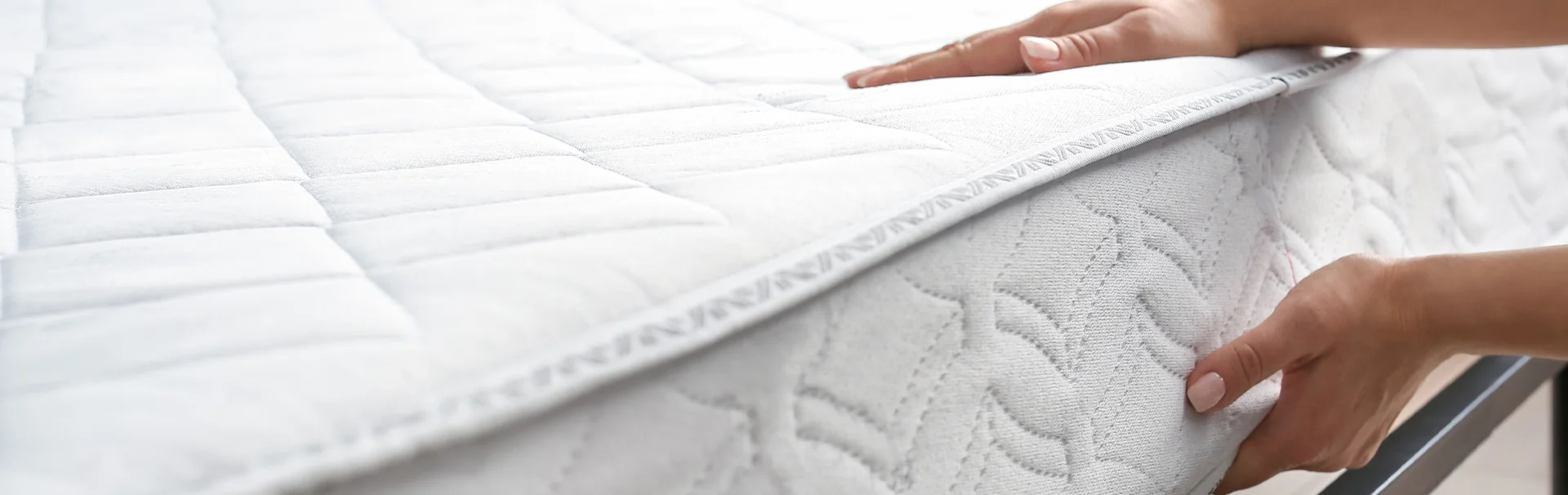
Our bodies regenerate during sleep, which is why it is crucial to rest in the right conditions. A proper mattress helps maintain the spine’s natural curves, while a poorly chosen sleeping surface can lead to serious problems in the long run. Dr. Bence Balázs Moravcsik emphasizes that both the mattress and the pillow should conform to the natural curves of the spine.
Choosing the Right Mattress for Spinal Problems
When choosing the right mattress, there are several factors to consider:
- Comfort: Always try out the mattress before buying it.
- Proper support: A mattress that is too soft won’t provide enough support, while one that is too hard can cause pressure points.
- Adjusting to body type: Body weight, height, and sleeping habits are all key factors.
- Mattress zones: Modern mattresses provide support for the body in different zones.
- Memory foam top layer: an ideal solution for repairing an existing mattress.
Myth: Is a firm mattress the answer to everything?
Many people believe that a very firm mattress—or sleeping on the floor—helps alleviate spinal problems . However, this is not always true. A surface that is too firm does not conform to the body’s natural shape, which can increase pain. The ideal mattress is firm yet flexible enough to conform to the body’s contours.
The Role of the Pillow in Protecting the Spine
Proper support for the cervical spine is just as important as the mattress:
- For side sleepers: the pillow should fill the space between the ear and the shoulder.
- For those who sleep on their backs: a lower pillow is recommended.
- For people who sleep on their stomachs: a pillow is often not necessary.
Anatomical pillows help maintain the neck’s natural position thanks to their varying heights.
The Link Between Poor Sleep and Spinal Problems
If you wake up in the morning with back, neck, or lower back pain, it’s a good idea to see a specialist. At the Budapest Private Orthopedic Clinic, targeted examinations and personalized treatments help facilitate recovery.
Physiotherapy: Active Help for Relieving Spinal Problems
Physiotherapy plays an important role in the treatment of spinal problems . A personalized exercise regimen:
- Relieves muscle tension,
- Improves joint mobility,
- Strengthens the muscles around the spine,
- It promotes good posture.
The health of your spine depends on conscious decisions
The development of spinal problems is often linked to lifestyle factors. The right mattress, a high-quality pillow, and regular exercise are key to prevention. The experts at the Budapest Private Orthopedic Clinic offer personalized solutions in every case to ensure that pain is not a part of your daily life.