What should you do in the event of a sports injury?
What should you do in the event of a sports injury?
Author: Dr. Bence Balázs Moravcsik | March 11, 2025


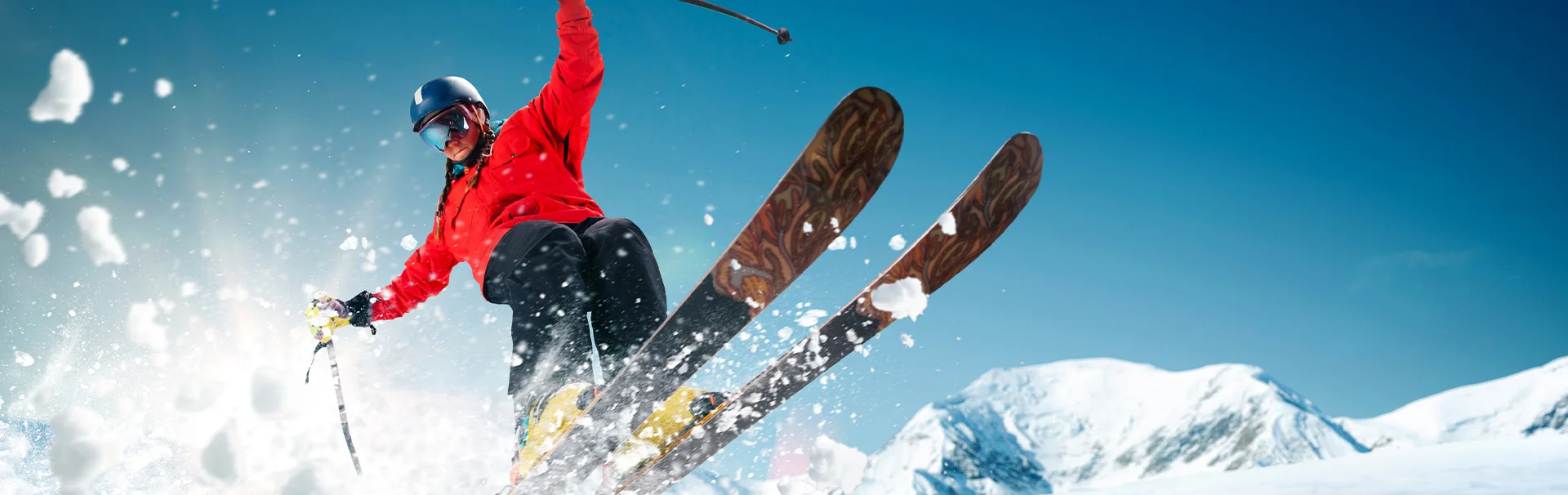
Dr. Bence Balázs Moravcsik, medical director and regular expert in orthopedics on Duna TV’s “Family-Friendly” program, has once again given a fascinating interview. This time, they focused on skiing, the potential injuries that can result from it, and their treatment. What should you pay attention to while skiing, and when is it necessary to seek medical help?
What are the possible consequences of a sports injury?
All physical activities—especially seasonal, high-intensity sports such as skiing, snowboarding, or cycling—carry certain risks.
A sports injury can cause not only temporary discomfort but also long-term health problems, especially if it is not treated properly. It’s important to know which symptoms may indicate a more serious injury, what types of sports injuries occur most frequently, and when it’s necessary to see an orthopedics specialist.
“The bottom line is that if we have an accident or an injury, we should take it seriously. Even what appears to be a simple sprain could be a sign of a more serious problem. It’s worth taking even a seemingly minor sprain seriously and stopping to rest and monitor the situation to see what happens next,”
— advises the orthopedic traumatologist.
Characteristics of Sports Injuries – What Counts as a Serious Injury?
Many people tend to brush off seemingly minor muscle strains and sprains, since under the influence of adrenaline, we often fail to perceive the true severity of the pain. However, neglected “minor” injuries can have irreversible consequences in the long term.
An important rule:
- We should see a specialist even if we’re only experiencing mild pain that doesn’t go away within a few days.
- Swelling, discoloration, limited range of motion, or instability are always warning signs!
The Most Common Sports Injuries
The type of accident is primarily determined by the nature of the sport in question. Below, we present the five most common categories of sports-related accidents:
– Knee rupture and cartilage separation – Two serious knee injuries that shouldn’t be taken lightly
Anterior cruciate ligament rupture (ACL rupture)
The anterior cruciate ligament is one of the knee’s most important stabilizing structures. A rupture often results from a sudden change of direction, twisting, or a bad landing—typically while skiing or playing ball sports.
Symptoms:
- A sharp, snapping sound or sensation at the moment of injury
- Immediate, severe pain and swelling
- A feeling of instability, “my knees give out”
- Inability to bear a load
Treatment: In young, active athletes, the ligament is typically replaced through surgical treatment (reconstruction). Following surgery, a long rehabilitation period of 4–6 months involving physiotherapy is required. In milder cases—such as older, less active patients—conservative treatment (knee brace, physiotherapy) may be sufficient.
Meniscus injury, cartilage tear
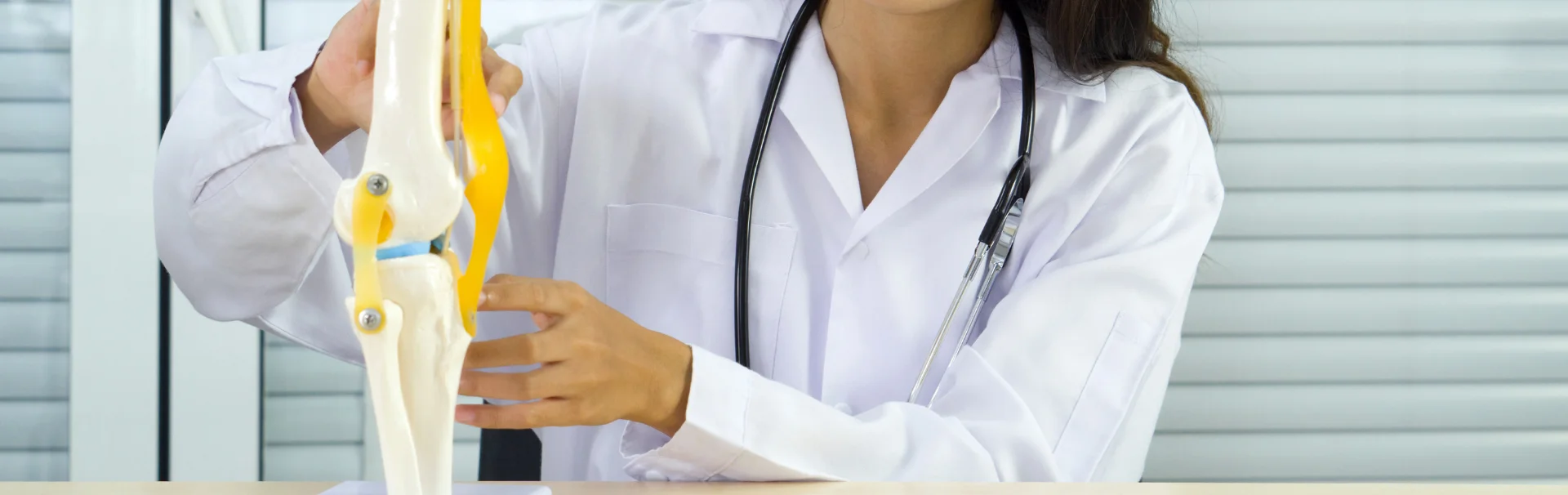
The crescent-shaped cartilage structures (menisci) located inside the knee play a role in bearing weight and providing stability. The meniscus can be easily injured during a sudden turn or when kneeling—and is often accompanied by a cruciate ligament injury.
Symptoms:
- A deep, stabbing pain on the inside of the knee
- Limited mobility, e.g., the knee “locks up”
- Swelling, especially by the next morning
- A crunching sound when moving
Treatment: For minor injuries, rest, ice, and physiotherapy may be sufficient. However, in cases of more severe cartilage tears, arthroscopic (keyhole) surgery is required, during which the damaged cartilage is removed or repaired.
In both cases, it is advisable to see an orthopedics specialist as soon as possible, since treatment started early can help prevent long-term knee problems, such as joint degeneration.
Ankle Injuries
Injuries to the ankle are common during running, hiking, ball games, and especially during sudden changes of direction.
Symptoms:
- Pain when walking
- Swelling, bruising
- Limited mobility
- Unsteady gait
First Aid
- Rest
- Freezing (for a maximum of 15–20 minutes)
- Compression bandage
- Stacking
Wrist Fracture and Dislocation
The wrist is particularly vulnerable during winter sports, especially while snowboarding, when people instinctively break their fall with their hands.
Symptoms:
- Pain and swelling after the fall
- Displaced bone end, deformity
- Immobility
Important!
Wrist injuries should always be taken seriously, because they can easily impair the hand’s fine motor skills.
Shoulder and Collarbone Injuries – Common in Falls
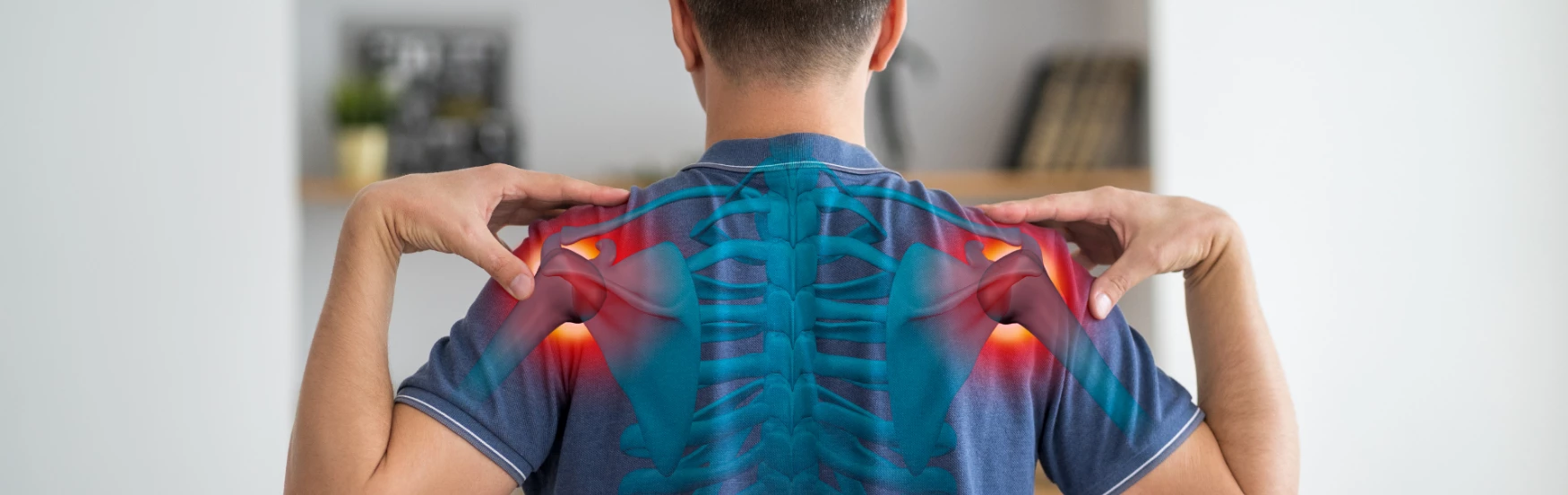
Injuries to the shoulder girdle most often occur during falls, such as while skiing or biking. These can include dislocations, a fracture of the collarbone, or a rotator cuff injury
Symptoms:
- Severe pain when moving the shoulder
- Shoulder asymmetry, deformity
- Immobility
After what kind of sports injury should we see an orthopedics specialist?
Many people put off seeing a doctor because they hope that “it will go away on its own.” However, early diagnosis can significantly shorten recovery time and prevent permanent damage.
Warning signs:
- Pain that persists for more than 48 hours
- Significant swelling or discoloration
- Limited mobility
- Joint instability or deformity
- Increasing pain with exertion
The Importance of Rehabilitation – Let’s Not Give Up!
Recovery does not end when the pain subsides. Joints that have not been properly rehabilitated are more prone to re-injury, and performance may also decline.
Steps in rehabilitation:
- Relief and Anti-Inflammatory Effects
- Physiotherapy (muscle strengthening, increasing range of motion)
- A Gradual Return to Sports
Sports Injuries in Children
– When Should We Take Them More Seriously?
Children move actively and energetically, and their reflexes are quick, but their growth plates make them even more vulnerable. We often think they’ll “grow out of” the problem, but a neglected injury can cause symptoms decades later.
A specialist medical examination is required if:
- The child cannot stand on his or her own two feet
- There is swelling, pain, and limited mobility
- Bruising and discoloration appear
Here’s How to Reduce Sports Injuries
Most sports injuries could be prevented with proper preparation and careful attention.
The most important preventive steps:
- 1. Warm up every time
Cold muscles and ligaments are more prone to injury. Even a 10-minute warm-up reduces the risk of muscle strains and sprains. - 2. Stretching at the end of a workout
It is just as important for recovery as the warm-up. It helps prevent muscle shortening and tension. - 3. Gradual increase in intensity
After a winter break, don’t start out at full speed right away. For example, instead of a 30-km bike ride, start with 10–15 km. - 4. Proper Equipment
- A Well-Adjusted Ski Binding
- Knee and Wrist Pads
- Head protection (helmet) – mandatory and life-saving
- High-quality shoes that provide ankle support
Do you have any questions? Please consult our orthopedics specialists!
If you or a family member has suffered a sports injury, don’t delay seeking medical attention. At our clinic, experienced specialists in orthopedics are ready to help you recover using the most advanced methods for diagnostics and therapy.