Vascular surgeons


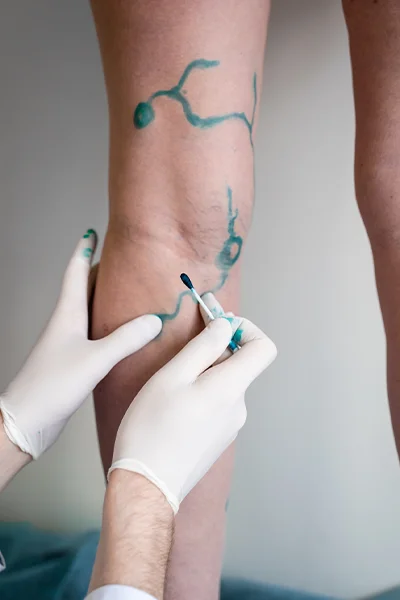
What is vascular surgery and who is a vascular surgeon?
Vascular surgery is the branch of medicine that deals with the prevention, diagnosis and treatment of diseases related to arteries, veins and lymphatic vessels.
Vascular surgery is diagnosed and treated by vascular surgeons, who specialise in the surgical treatment of blockages, stenoses, varicosities and other vascular diseases.
What complaints can the vascular surgeon help with?
Complaints and diseases affecting the blood vessels often start with minimal signs. They are initially just aesthetic abnormalities that many people ignore, mistakenly. It is worth taking even small lesions seriously and consulting a vascular surgeon in time, as these slight abnormalities can cause serious problems if left untreated. Vascular complaints that become severe can have consequences that are difficult to treat.
You should consult a vascular surgeon in the following cases:
- Returns - leg swelling, pain, visible varicose skin lesions
- Foot pain when walking - may indicate inadequate blood supply to the muscles of the leg, often due to atherosclerosis
- Chronic leg swelling - a problem with the venous or lymphatic circulation
- Broomstick vein - abnormal dilatation of the small, superficial veins under the skin, most of which are not prominent and therefore not palpable ; mainly purple, red and blue
- Thrombosis - blood clots
- Leg ulcers - people who have difficulty recovering
- Loss of feeling or cold feet - may indicate a disturbance in the blood supply to the lower limbs
- Signs of cervical atherosclerosis - for example, recurrent dizziness, temporary loss of vision or speech
- Pulsating abdominal swelling
- Hand or finger injuries that do not heal properly
- Swelling or pain in the arm or leg after catheterisation - may indicate damage to an artery or the formation of a blood clot
The vascular surgeon usually performs physical and imaging tests (e.g. ultrasound, CT scan, MRI) and other diagnostic tests to detect and treat diseases.
What are the most common vascular diseases?
- Visceral disease
- Thrombosis
- Chronic venous insufficiency
- pulmonary arterial disease (PAD)
- Leg ulcers
- Lymphatic dysfunction
- Atherosclerosis
- Superficial thrombophlebitis
- Raynaud's phenomenon
What should you know about varicose veins?
The varicose veins one of the most common diseases affecting blood vessels, which is the abnormal dilatation of the veins. It most often develops on the foot. Varicose veins can often be seen and felt under the skin.
Healthy veins have valves that prevent blood from flowing back and help it move to the heart. When these valves do not work properly, blood builds up and dilates the veins, leading to varicose veins.
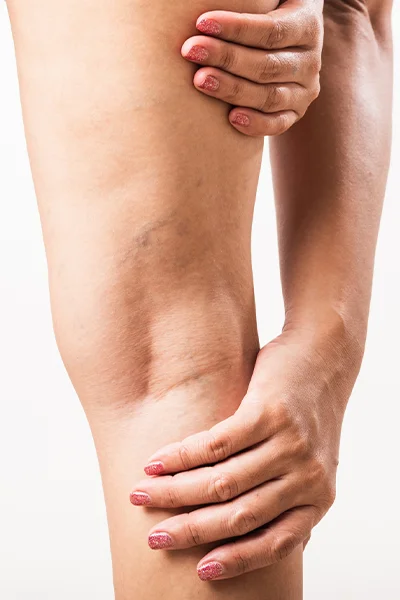
Symptoms:
- Visible, bulging veins on the leg, often bluish, purplish or greenish in colour.
- Leg swelling.
- Pain or heaviness in the feet, calves and ankles.
- Itching in varicose veins.
- Skin lesions such as redness, dry skin or eczema.
- Ulcers near the ankle that take a long time to heal.
The most common complaints caused by varicose veins:
Usually with pain and discomfort, with skin sensitivity act. It is also an aesthetic problem, as the blood vessels bulging.
In severe forms, varicose veins can also cause leg ulcers that are difficult to heal.
Causes of its development:
- Inherited predisposition.
- Hormonal changes - e.g. pregnancy, taking the contraceptive pill, menopause.
- Overweight - increases pressure on the veins in the leg.
- Standing or sitting - obstructs normal blood flow.
- With age, the functioning of the valves in the veins can weaken, which can lead to venous distention.
An active lifestyle and maintaining a healthy weight are important for prevention.
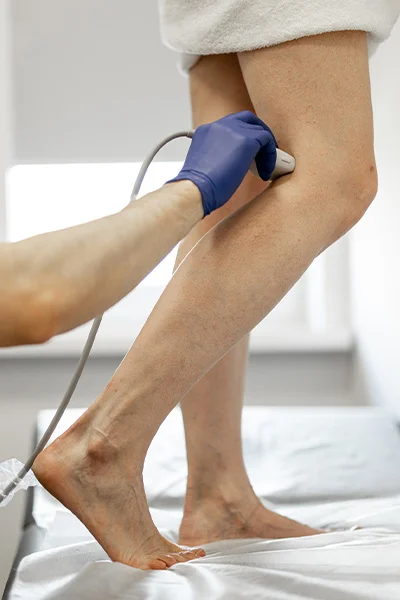
How is a vascular surgical examination carried out?
- The vascular surgeon explores the patient's lymphedema - taking a history, performing a surgical physical diagnosis.
- Deep vein ultrasound and dolysilver circulation tests, if the doctor considers it necessary.
- Laboratory and other additional tests as necessary.
- Results and diagnosis.
- Defining a personalised treatment plan.
- Detailed information on the surgical solution to be considered.
- During the vascular surgery examination, a medical record is prepared, which the patient prints out and signs with a doctor's stamp and signature.
Ultrasound diagnostics by a vascular surgeon
Vascular surgeon to determine the most accurate diagnosis possible, if necessary also perform ultrasound examination of the rectal blood vessels. The idea is to check the patency of blood vessels. This is a targeted way of detecting blockages, thrombosis, vasoconstriction and vasodilatation.
From non-invasive ultrasound examination, does not involve any pain or preparation.
How does the vascular surgeon heal?
The treatment depends on the individual patient's condition, the type and severity of the disease.
Conservative therapy
- Medication: Among other things, the use of anticoagulants to prevent blood clots or treat atherosclerosis.
- Compression stockings: Used on the leg, it helps blood flow back, especially in varicose veins or after thrombosis.
- Lifestyle changes: Diet, exercise and smoking cessation to improve cardiovascular health.
- Injection therapy/Sclerotherapy: A special solution is injected into the varicose vein, which irritates the vein and causes it to contract.
Surgical techniques
- Radiofrequency surgical treatment of spider veins, broom veins - generating high-frequency sound waves in the affected vein, which damage the target tissue and close the vessel wall through the heat generated
- Radiofrequency varicose vein surgery - closing dilated varicose veins using radio frequency
- Adhesive (VenaSeal) varicose vein surgery - special adhesive to remove the backsplash
- Endarterectomy - removal of plaque or other unwanted material inside the vessel
- Endovenous laser therapy (EVLT) - closing veins with laser
The vascular surgeon usually recommends surgical treatment if conservative therapy is ineffective or the problem is advanced.
Improving the health of blood vessels
There are a number of natural remedies available to improve the condition of blood vessels and the vascular wall. It is important to note that these are not a substitute for treatment by a vascular surgeon, but they can have a positive effect on the health of blood vessels.
- Hydrotherapy: Alternating hot and cold water baths can stimulate blood circulation and support the health of the vascular wall.
- Acupuncture: Acupuncture can improve circulation and support the health of the vascular wall.
- Healthy eating: A diet low in saturated fat, sugar and salt, high in fibre, with plenty of vegetables, fruits, whole grains and healthy fats (e.g. olive oil, nuts, flaxseeds).
- Regular physical activity and weight control
- Stop smoking and reduce alcohol consumption
- Increase fluid consumption (water)
- Stress management