BMM - SOS Orthopaedic Outpatient Clinic

Log in at
On Saturdays and Sundays between 8:00 and 18:00, we welcome patients over 18 years of age who need emergency care.
Emergency surcharge: + 8 000 HUF if you request an appointment on the weekend on the day of the order.
We ask our patients to book an appointment by phone!
Patients who wish to recover can also come to BMM with acute musculoskeletal complaints!
Our orthopaedic on-call service is open on weekends between 8:00-18:00.

Dr. Bence Balázs Moravcsik
Orthopaedic-traumatologist specialist
Weekend emergency care
We will confirm your appointment within 24 hours or you can consult a specialist within 1 hour. Pain relief infusions are available on Saturdays and Sundays.
What is BMM - SOS, or what does orthopaedic on-call help with?
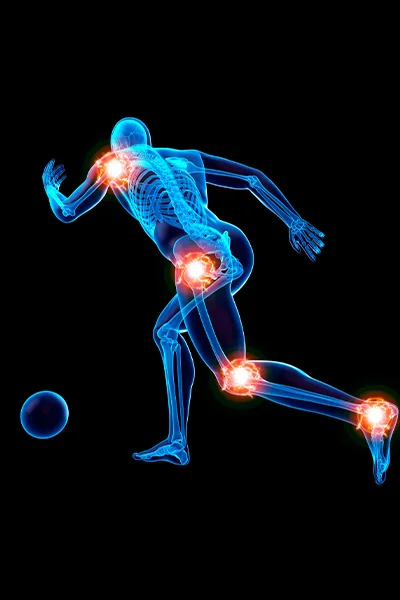
Orthopaedics includes injuries and lesions of bones, muscles, joints and other musculoskeletal segments.
In our orthopaedic outpatient clinic we have treat sudden complaints and injuries, which affect the limbs. These problems no open, bleeding injuries or life-threatening conditions.
Help for knee pain too!
Sudden worsening of pain that occurs without warning or chronic pain?
- Arthritis
- Knee ligament injuries
- Cartilage ring injury
- Joint wear
- Pain due to dust separation
- Kneecap pain
You are also welcome on weekends!
What types of orthopaedic complaints are treated in emergency care?
Orthopaedic on-call is the right choice for non-life-threatening and non-bleeding musculoskeletal injuries and complaints. These isolated problems affecting a single limb may be caused by a bad movement or a sudden increase in chronic pain that already exists.
In our orthopaedic outpatient department we can treat the following problems
Upper limb complaints:
- Problems related to the shoulder joint (e.g. minor dislocations, limited mobility, frozen shoulder syndrome)
- Pain and injuries affecting the elbow (e.g. sprains, tennis elbow)
- Joint complaints (e.g. tendonitis, tunnel syndrome, sprains, sprains, sprains)
- Finger pain (e.g. stiffness, sprains, sprains)
- Upper limb muscle pain, muscle strains and swelling
- Mild arthritis
Lower limb complaints:
- Knee joint problems
- Kneecap dislocation
- Cruciate ligament injuries (anterior and lateral ligaments)
- Meniscus injuries
- Pain due to dust separation
- Sudden onset, severe knee pain
- Ankle complaints (such as sprains, sprains, partial ligament tears, Achilles tendonitis)
- Toe complaints (such as sprains, sprains, closed fractures)
- Bunion pain
- Lower limb muscle pain, muscle strains and swelling
- Mild arthritis
How are complaints diagnosed by X-ray?
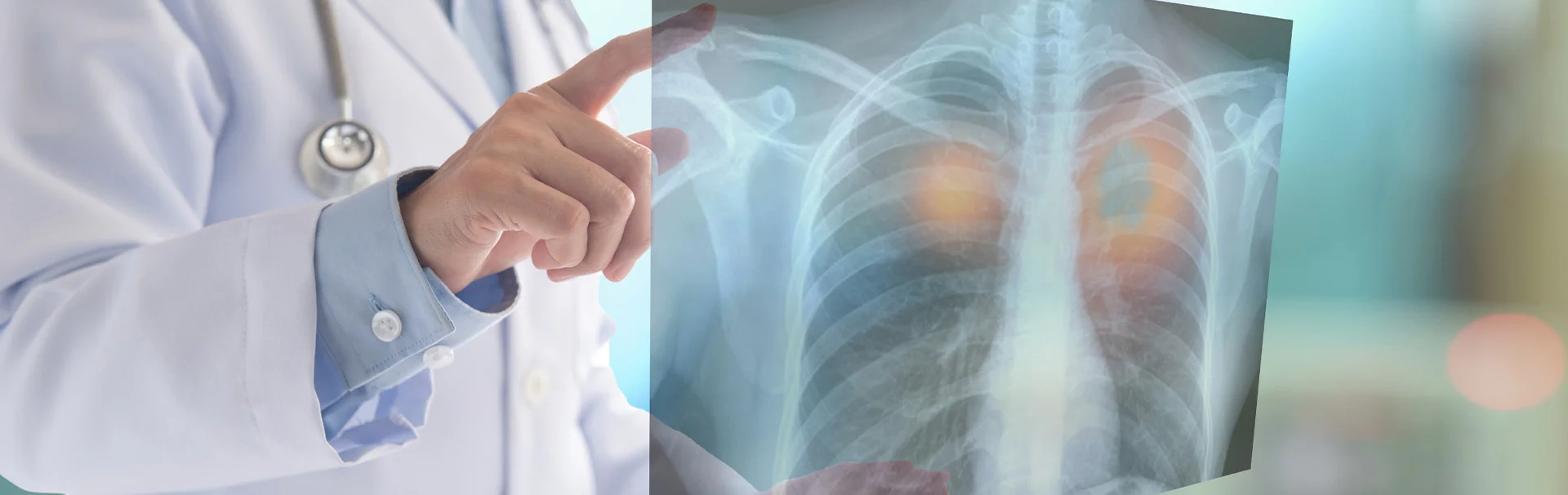
In the case of orthopaedic complaints, an X-ray examination may be part of the diagnosis.
When a patient arrives at the orthopaedic outpatient clinic, the specialist will carry out a physical examination. An X-ray of the complainant's body part is then taken.
Based on the information obtained from the physical assessment and imaging diagnostics, the doctor will make a diagnosis and determine the appropriate treatment plan.
Treatment of sports injuries in the orthopaedic department
Sports injuries can happen to anyone who is involved in any sporting activity, such as running, basketball or even football. Most sports injuries are caused by overuse, sudden bad movements and lack of warm-up. Therefore, proper warm-up and awareness during exercise are also very important.
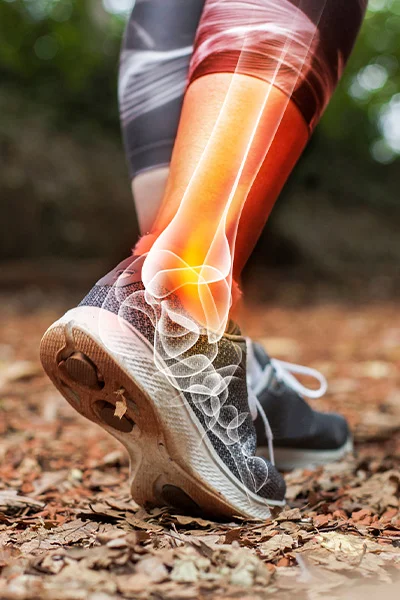
Muscle injury
One of the most common sports injuries is muscle injury. Muscle injury can cause varying degrees of damage to muscle fibres. The most common muscle injuries include muscle strains, bruises and tears.
Pullouts
Muscle strain is the most common muscle injury among athletes. A muscle strain is actually a small tear in the muscle fibres, which occurs mainly during overuse. In mild cases, only a few muscle fibres may be damaged, while in severe cases the muscle may be completely torn. However, stretching the muscles regularly and gradually can prevent pulling.
Sprains
The sprain of the an injury to a joint. In this case, a wrong movement usually causes the joint surfaces to move away from each other, resulting in a sudden stretching of the joint capsule and ligaments. This separation is relatively slight and the head of the bone remains in the socket, so no dislocation occurs. The sprain is accompanied by severe pain and swelling.
BMM provides the best specialist for your complaints!
In order to do this in 100%, the assessment of the problem starts on the phone, by a specialist.
You are only welcome to attend our care in person if BMM can provide you with the best possible doctor and care for your complaint. Otherwise, for example, in the case of broken bones, our specialist will refer you to the appropriate care facility.
Arthritis, joint wear:
Immediate solutions in emergency care
Worn and inflamed joints can have a significant impact on an individual's quality of life. In advanced stages, they can cause severe pain and reduced mobility.
The inflammation symptoms include joint pain, swelling and redness.
Arthritis is a degenerative joint disease that causes wear and tear of the articular cartilage, which can result in extreme pain when moving the joint.
Immediate treatment of pain from arthritis and wear and tear is usually aimed at relieving symptoms and improving mobility.
This may include medication, infusion treatment with hyaluronic acid or steroid injections, or SAFE laser treatment.
Accident and emergency in case of damage to tendons and ligaments
Immediate treatment for complaints affecting the gums and ligaments usually depends on the extent and location of the problem. Initial treatment usually involves:

Rest:
Avoid putting further strain on the sore area.
Compression bandage:
Tight but not too tight bandaging with elastic bandages can help reduce swelling.
Icing:
Apply a cold compress to the problem area to reduce swelling and relieve pain.
Upholstery:
Lifting the affected part of the body helps to reduce swelling and relieve pain.
Further pain reduction is most often achieved by taking non-steroidal anti-inflammatory drugs.
Once the complaint is resolved, physiotherapy is usually recommended to restore muscle strength and range of motion.
Emergency cases of hand injuries:
Primary interventions in the orthopaedic emergency department
Hand injuries can be very painful. We have a range of emergency care methods available to relieve various sprains, inflammations and sprains. These include the use of injections, dressings and orthoses is the most common.
Orthopaedic outpatient department: treatment of foot injuries
In addition to treating upper limb complaints, the orthopaedic ward also treats problems affecting the foot. These can include sprains, strains, sprains, ligament and tendon injuries.
Various painkillers and anti-inflammatory infusions, medicines and injections are available

Emergency treatment of shoulder complaints in the orthopaedic emergency department
The treatment of shoulder complaints depends on the nature of the problem. We usually use the following medical treatments as part of our emergency orthopaedic care:
- Prescribing painkillers and anti-inflammatory medicines
- Steroid injections in the shoulder to relieve inflammation and pain
- Shoulder anchoring
What is the difference between orthopaedics and traumatology?
Both orthopaedics and traumatology deal with problems of the musculoskeletal system, and in this they are similar.
The main difference is that the orthopaedic on-call care for sudden worsening of chronic musculoskeletal complaints and non-bleeding injuries.
In contrast, the in the traumatology department, injuries that are clearly accidental are treated. These can be extremely complex and serious, which may require immediate surgical intervention. Examples include open fractures, bleeding wounds, multiple fractures and ruptures of the Achilles tendon.