Kneecap rail relocation
- when the kneecap pops out again and again
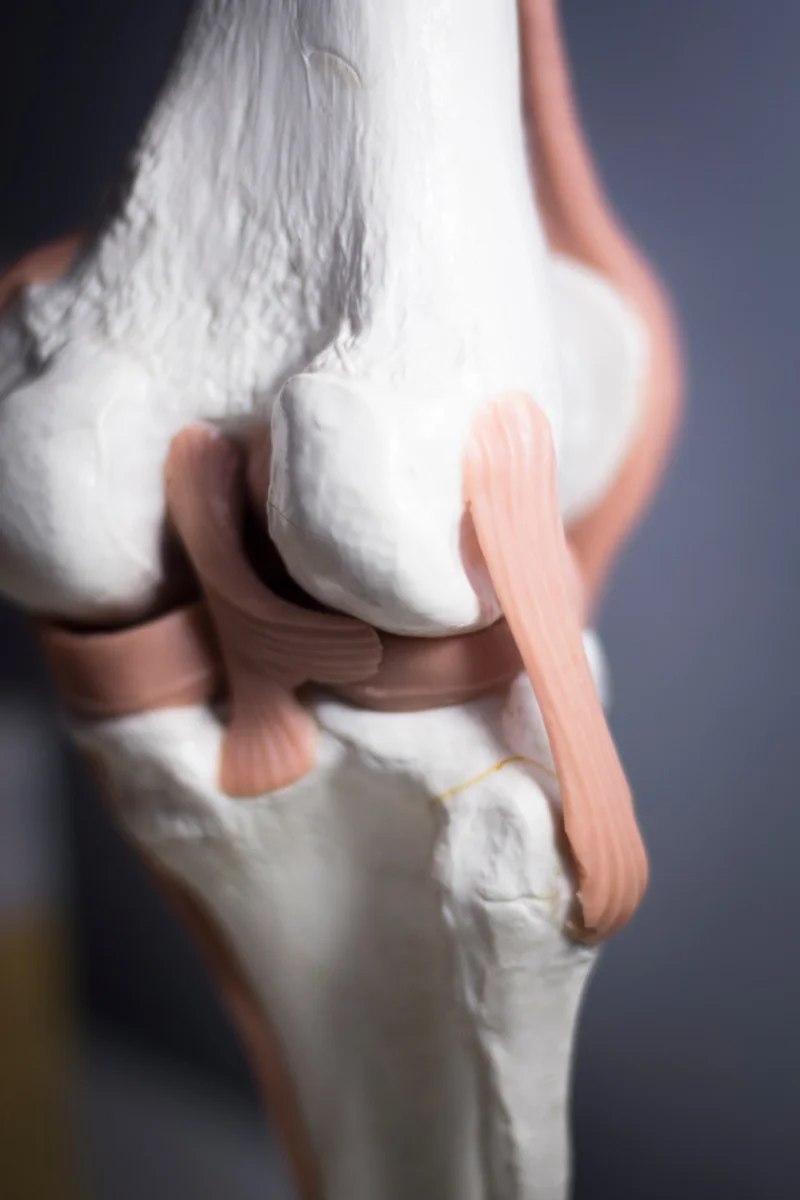
Why does my kneecap pop out - and when should I see a doctor?
The kneecap dislocation, known as the patella ficam can often be a recurring problem, especially at a younger age or during exercise. If you feel that the kneecap slips, and then bounces back into place, or if you experience knee pain when climbing stairs, running or jumping, you should see a specialist.
This instability is often due to a disproportion between the strength of the outer and inner thigh muscles, muscle weakness or congenital anatomical abnormalities. The problem can worsen if it is not treated properly - even with persistent pain, cartilage damage or recurrent patellar sprains.
The most common symptoms of patellar instability
- The kneecap „slips” and then springs back into place
- Pain in the inner part of the kneecap
- A feeling of instability, especially when moving
- Swelling around the knee
- Knee pain when climbing stairs, squatting, doing sports
What happens if the problem is not treated?
Without treatment, kneecap instability can lead to recurrent sprains, which are not only painful but can also damage the articular cartilage surface. In the long term this can lead to wear and tear, chronic knee paincan lead to disability and reduced mobility. A kneecap splint relocation a targeted surgical solution that can help stabilise the kneecap to prevent further deterioration.

Dr. Péter Doszkocs
Orthopaedic traumatologist, hip and knee surgeon, lower limb specialist, robotic surgeon
Online booking:
Budafoki Road surgery: Thursday
Bokor street surgery: Week of the other days
Please choose the service that suits you
The control fee is valid for 3 months after the initial examination, for the same complaint.
- 1. Select the service you need from the drop-down box!
- 2. Use the calendar to choose a date that suits you!
- 3. Enter your details to register or login with your previous registration!
- 4. If you would like to make a reservation on behalf of someone else (e.g. your child), please let us know at the location provided.
- 5. Briefly describe your complaints!
- 6. Select the type of consultation: initial examination, control examination or prescription.
- 7. Click on the button to book your appointment. Thank you for choosing BMM!
If you are unable to make the appointment you have already booked, please, at least 24 hours before notify us of your intention to withdraw. This gives other patients the opportunity to get the medical care they need in time. Thank you for your cooperation and understanding!
Resignation: +36 1 44 33 433
If for the week of your choice cannot find an available appointment, for further assistance, please call our call-center at +36 1 44 33 433-phone number! Our staff will be happy to help you make an appointment with the doctor of your choice or another specialist according to your complaint.
Treatment of patellar instability - what is splint relocation?
If someone regularly the kneecap slips out of place, and conservative treatments (such as physiotherapy or knee braces) do not produce lasting results, a special surgical solution may be considered: the transposition of the patella tendon. This procedure is used to change the attachment of the tendon that attaches the kneecap to the tibia so that the kneecap moves in the optimal direction during knee flexion. The aim is to make the muscle pull more balanced and the kneecap moves in the right direction - no longer sliding sideways.
This surgery is particularly effective in cases where the kneecap is displaced laterally (lateral patellar luxation) or where the knee is congenitally prone to instability.
When is patellar tendon transfer surgery recommended?
Knee splint relocation may be considered as a treatment option in the following cases:
- Recurrent patellar sprains (recurrent patella luxation)
- Expressed patellar pain during activity
- Ineffective conservative (non-surgical) treatment
- Kneecap misalignment, which can lead to wear of the joint
- Feeling of instability during exercise, „slipping” knee tenderness
It is important to understand that the aim of surgery is not only to reduce pain, but also to restore the biomechanical balance of the knee and protect the cartilage surface in the long term.
How does the intervention work?
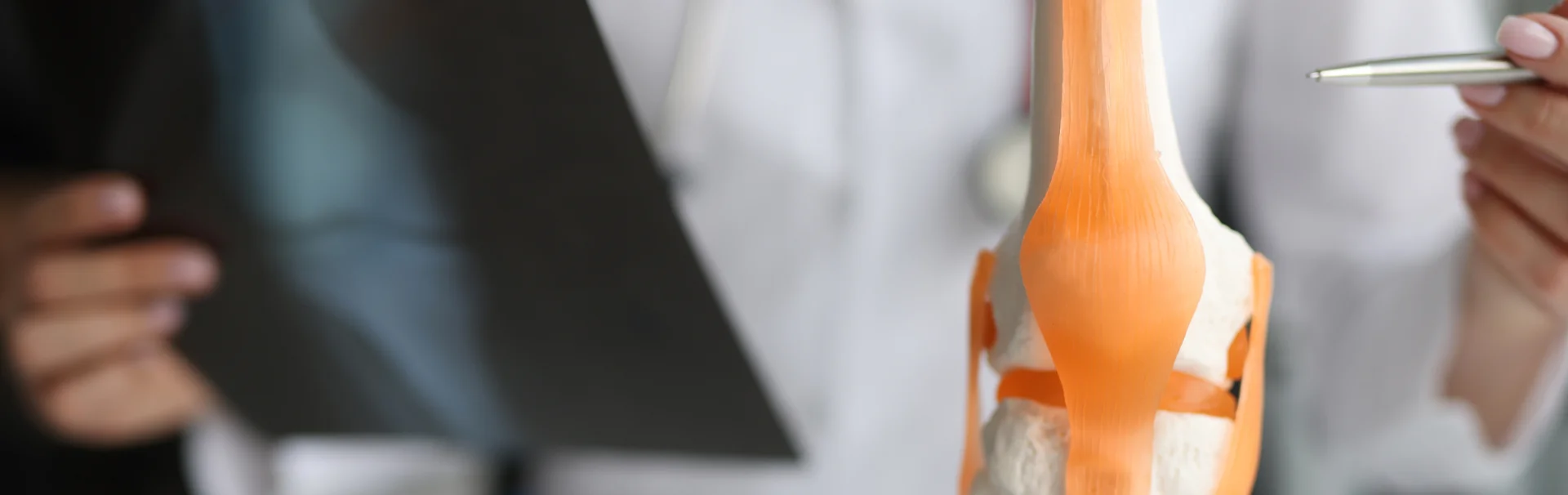
Knee replacement surgery is performed under general or regional anaesthesia. The surgeon separates the affected tendon (the patellar tendon) from the tibia with the tibial tuberosity (tuberositas tibiae), moves it inwards on the tibia and fixes it in the new, appropriate position with screws. This ensures that the movement of the patella remains centred and does not pull towards the outer side.
The surgery may be performed in conjunction with other procedures, such as cartilage resurfacing (e.g. arthroscopy), or other stabilisation techniques (lateral capsuloplasty or internal MPFL), depending on the severity and nature of the patellar instability.
What happens after the operation? Rehabilitation and recovery
After the intervention, it is usually necessary to:
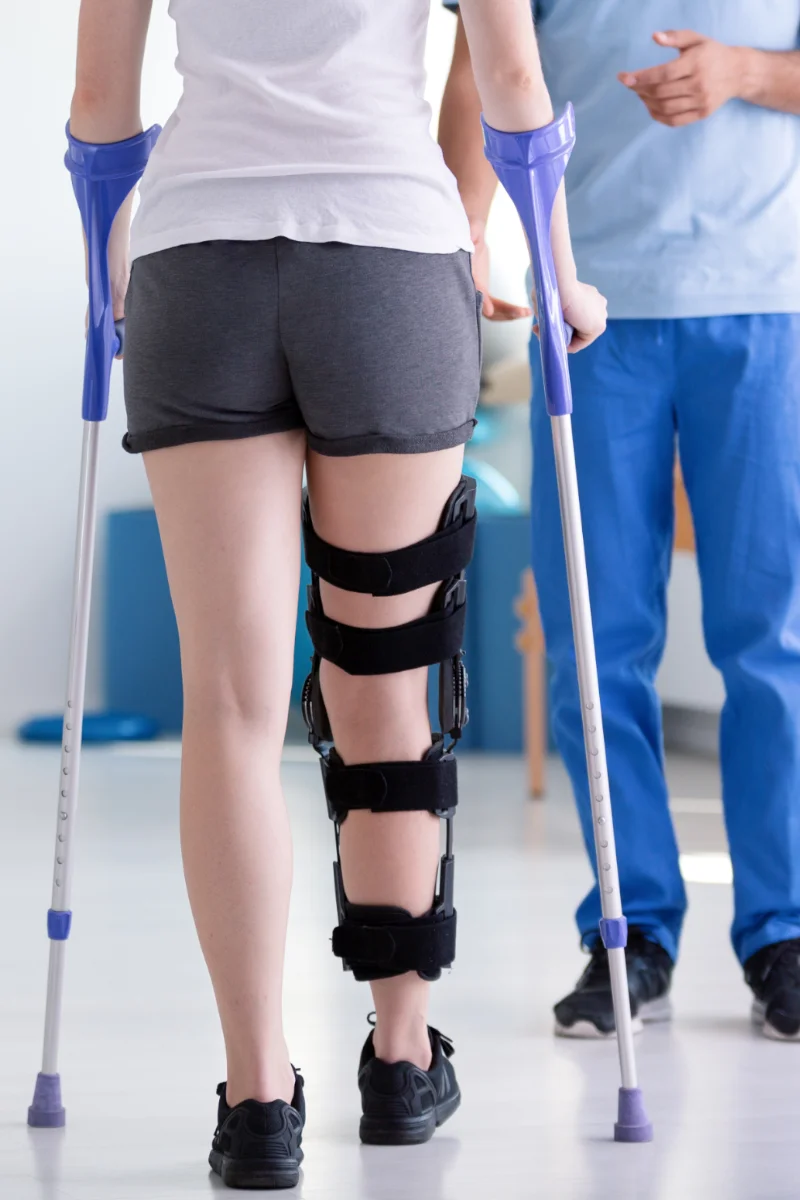
- For wearing knee braces for short periods
- Partly loaded movement therapy
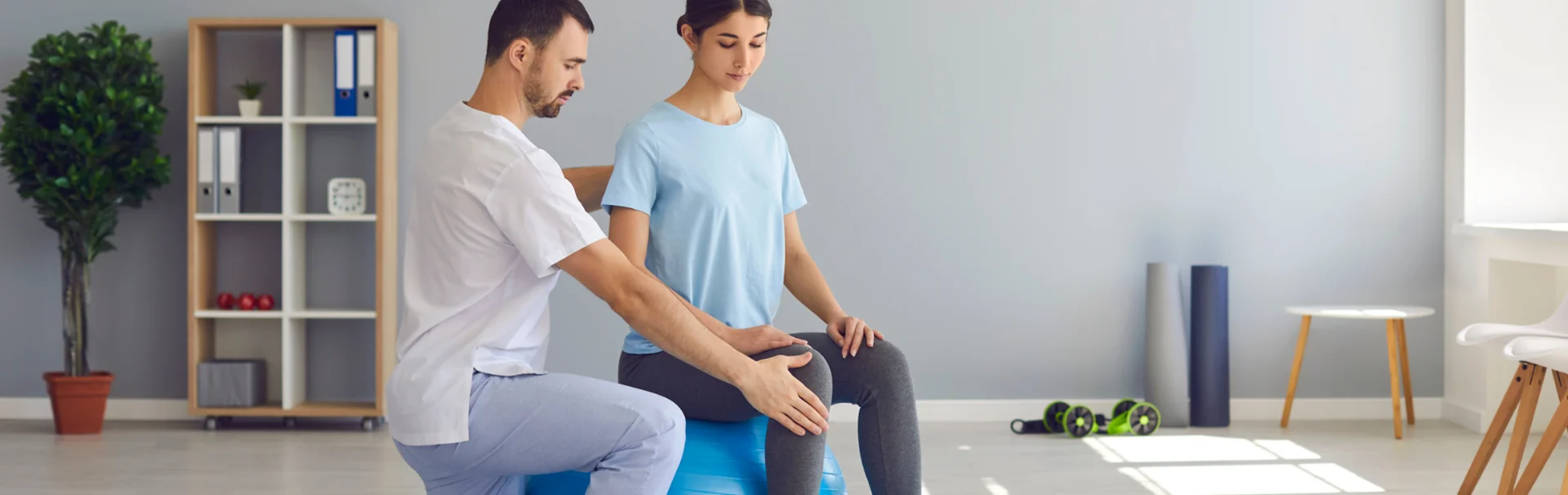
- Personalised physiotherapy, which helps to restore muscle balance
Total recovery time is usually 3-6 months, return to sport can take up to 6-9 months. With proper rehabilitation, the kneecap can be fully stabilised and the chances of recurrent dislocation of the kneecap are significantly reduced.
In which cases does the relocation of tendons help, according to Dr. Peter Doszkocs' experience?
Knee replacement is not one of the most common procedures, but in some cases it is one of the most effective surgical solutions to permanently eliminate patellar instability.
In all cases, the aim of surgery is to correct the path of the knee cap and restore stability to the knee joint, whether the problem is a childhood problem or the result of an adult sports injury.
Kneecap problems in children and young people
At a young age, especially in adolescents, the kneecap often does not move in the correct path and moves laterally during movement. Initially this may only cause clicking and mild pain, but may develop recurrent sprains over time. If instability persists after growth has stopped, knee replacement surgery can help prevent cartilage damage and long-term knee pain.
Complaints from athletes and active adults
During an active lifestyle or when playing sports, the knee is subjected to more stress. If you repeatedly experience a „popping knee” during training or a match, you are at risk of knee instability leading to permanent damage. Knee splint relocation in such cases helps to restore the joint's strength and return to sport safely.
Treating recurrent sprains and pains with a permanent solution
Anyone who has experienced a knee cap sprain knows exactly how unpredictable movement can become. Instability and a sense of uncertainty in the knee can often lead to a poor quality of life and can cause fear, even during everyday movements. Knee brace relocation provides a sense of security, not only physically but also psychologically, by preventing recurrent sprains and restoring stability to the knee joint.
Frequently asked questions about knee arthroplasty
Knee replacement is a lesser-known but effective surgical option for people who suffer from recurrent knee sprains. Many patients first encounter this concept when their doctor raises the possibility. Below we have put together the most common questions and answers about the intervention to help you navigate the options.
Is the surgery dangerous?
As with any surgical procedure, knee replacement has risks - such as infection, swelling, scarring or limited mobility due to excessive scarring. They also include fracture of the bony part of the detached tendon or dislocation of the tendon from its new position. However, under the hands of an experienced orthopaedic surgeon this intervention can be performed routinely, and the complication rates are low. Most patients report significant improvement in the long term.
How long is the recovery?
Recovery is a process in several stages. After the operation, it is necessary to wear a knee brace for six weeks and to relieve the load on the operated leg. After that, physical therapy can be used to gradually rebuild muscle strength and range of motion. Full recovery is usually expected in 3-6 months.
Can I play sport after the operation?
The aim of knee replacement is to restore stability and safety to the knee, so that it is possible to play sport again - even at a competitive level. After proper rehabilitation, most patients can return to the same level of activity they had before surgery. Of course, a gradual increase in exercise, physiotherapy and medical supervision are essential for a full return. For example, cycling from the 7th week, swimming from the 3rd month, running from the 3rd to 4th month, and risk sports - if muscle strength is sufficient - from the 6th month at the earliest.
Trust your knee health to a specialist
- Dr. Péter Doszkocs is a specialist in stabilising the patella
The repetitive dislocation of the kneecap and the associated pain and feeling of insecurity can have a serious impact on daily life and the enjoyment of movement. If you are experiencing the kneecap slips, and conservative methods (such as physiotherapy or knee braces) have not brought satisfactory improvement, it is worth consulting an orthopaedic specialist about the possibility of surgery.
Dr. Péter Doszkocs on knee joint problems, in particular patellar instability and the related knee brace splint relocation has extensive experience in surgery. All procedures are preceded by personalised planning, thorough examination and detailed patient education. His aim is to help his patients move safely again - without pain, instability and recurring dislocations.
Dr. Péter Doszkocs
Orthopaedic traumatologist, hip and knee surgeon, lower limb specialist, robotic surgeon
How to make an appointment for a consultation?
If you feel that you may have kneecap instability based on your symptoms, or if you have already been recommended a kneecap replacement, do not delay your consultation. You can book an appointment with Dr. Peter Doszkocs quickly and easily by clicking the online booking button or by phone.
Early diagnosis and personalised treatment can help prevent further joint damage and regain stability in your knee.

CALL US NOW

Online booking