Paediatric orthopaedic examination
Prevention, safety and expert care
Why is a regular paediatric orthopaedic check-up important?
Early screening of the developing musculoskeletal system
During childhood, the musculoskeletal system undergoes intense development. During this delicate period, minor abnormalities can be corrected well in advance if caught early, preventing painful or permanent problems later on. A paediatric orthopaedic examination aims to reveal the subtle differences that are not always visible to the naked eye, but which can have a long-term effect on posture, movement and skeletal system.
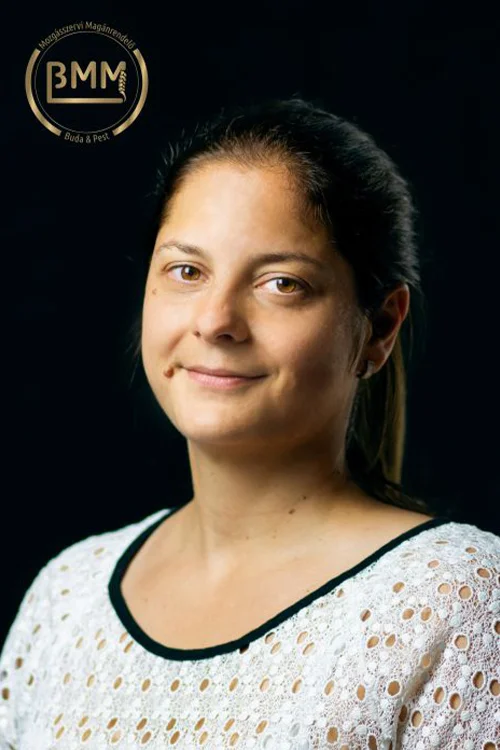
Dr. Nikolett Gáti
Orthopaedic and Trauma Specialist
Online appointment booking for Budafoki út:
Please select the appropriate service
For paediatric orthopaedic examinations, please book the appointment in the child’s name and enter the child’s details.
The follow-up consultation fee is valid for 3 months after the initial examination, for the same complaint.
- 1. Select the service you need from the drop-down box!
- 2. Use the calendar to choose a date that suits you!
- 3. Enter your details to register or login with your previous registration!
- 4. If you would like to make a reservation on behalf of someone else (e.g. your child), please let us know at the location provided.
- 5. Briefly describe your complaints!
- 6. Select the type of consultation: initial examination, control examination or prescription.
- 7. Click on the button to book your appointment. Thank you for choosing BMM!
If you are unable to make the appointment you have already booked, please, at least 24 hours before notify us of your intention to withdraw. This gives other patients the opportunity to get the medical care they need in time. Thank you for your cooperation and understanding!
Resignation: +36 1 44 33 433
If you cannot find an available appointment for your chosen week, please call our call center on +36 1 44 33 433 for assistance. Our staff will be happy to help you make an appointment with the doctor of your choice or another specialist according to your complaint.
When should you see a paediatric orthopaedist?
As a parent, it is often difficult to decide when an expert assessment is needed. Generally speaking a visit to your child's orthopaedist is recommended, if your child's gait, posture or movement is abnormal or if he or she complains of pain in the legs, knees or hips.
It's not just a complaint that should be seen by a specialist: from an orthopaedic point of view, examination is highly recommended in newborns (e.g. hip screening), in preschool (posture, signs of flat feet) and before starting school, when physical exertion increases significantly.
Regular check-ups can be particularly important for children who play sports, as the developing musculoskeletal system is more vulnerable to strain if an underlying abnormality is present.
What problems can a child's orthopaedic check-up prevent?
The aim of paediatric orthopaedic screening is to detect abnormalities that may lead to long-term musculoskeletal problems before they become apparent.
The most common conditions that can be identified early include
- flat feet and other foot position abnormalities,
- sloppy posture, scoliosis,
- developmental abnormalities of the hip or knee joints.
Early detection makes it possible to start effective conservative treatment even in mild cases - in many cases to prevent pain, disability or surgery later.

Dr. Ákos Morvai
Paediatric Orthopaedic and Neuro-orthopaedic Surgeon
Online appointment booking for Budafoki út:
Please select the appropriate service
For paediatric orthopaedic examinations, please book the appointment in the child’s name and enter the child’s details.
The follow-up consultation fee is valid for 3 months after the initial examination, for the same complaint.
- 1. Select the service you need from the drop-down box!
- 2. Use the calendar to choose a date that suits you!
- 3. Enter your details to register or login with your previous registration!
- 4. If you would like to make a reservation on behalf of someone else (e.g. your child), please let us know at the location provided.
- 5. Briefly describe your complaints!
- 6. Select the type of consultation: initial examination, control examination or prescription.
- 7. Click on the button to book your appointment. Thank you for choosing BMM!
If you are unable to make the appointment you have already booked, please, at least 24 hours before notify us of your intention to withdraw. This gives other patients the opportunity to get the medical care they need in time. Thank you for your cooperation and understanding!
Resignation: +36 1 44 33 433
If you cannot find an available appointment for your chosen week, please call our call center on +36 1 44 33 433 for assistance. Our staff will be happy to help you make an appointment with the doctor of your choice or another specialist according to your complaint.
How is the paediatric orthopaedic examination carried out at BMM?
Steps of the test, in a friendly environment
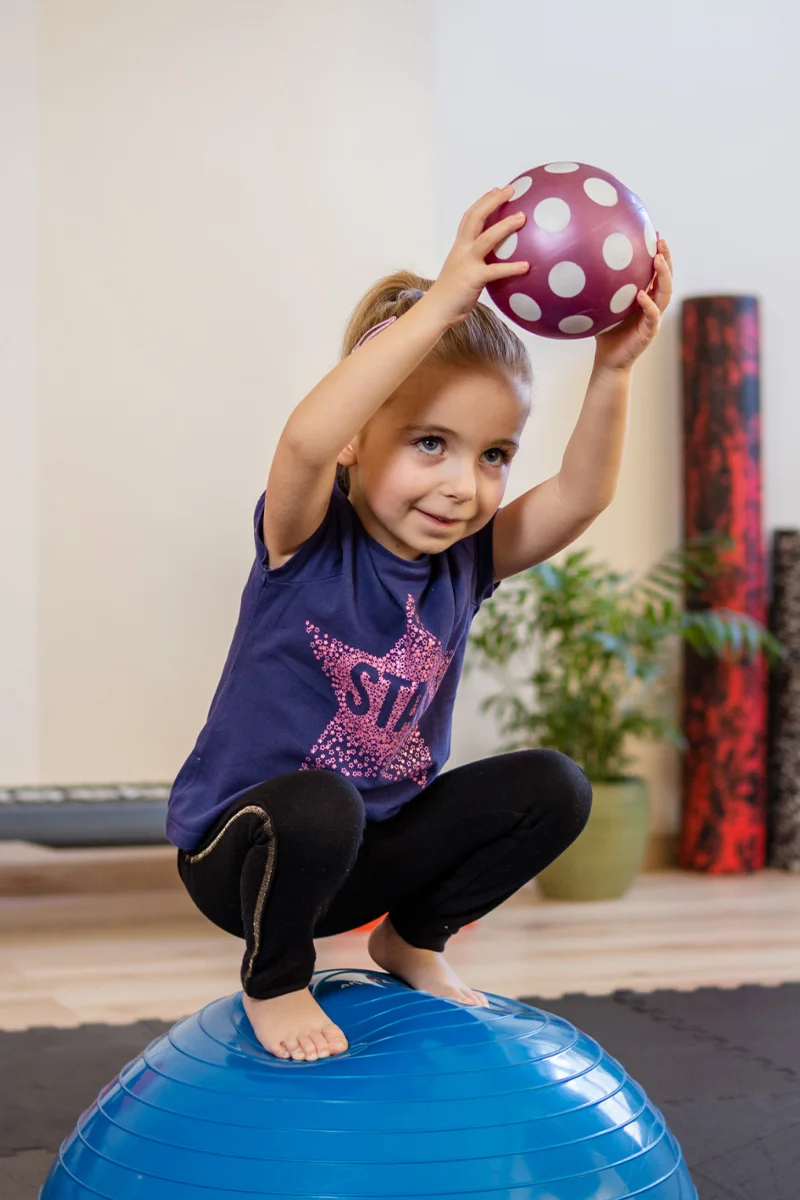
At the Budapest Musculoskeletal Private Clinic, children's orthopaedic examinations are carried out in a relaxed, safe atmosphere. The aim is for the child to feel comfortable while the specialist obtains a detailed picture of the child’s musculoskeletal condition.
The main steps of the examination:
- Taking a detailed history, discussing parental observations.
- Observing the child's posture, gait and movement patterns.
- Manual examination - checking the condition of joints, muscles and skeleton.
The testing is done in a playful, patient way, adapted to the age group. The parent can be present at all times, so the child feels safe.
At what age is it recommended to screen children for musculoskeletal disorders?
Musculoskeletal screening can play an important role at several ages, even in the absence of complaints. It is particularly recommended at key developmental stages, especially in school-age children, as postural abnormalities, axial problems in the limbs and complaints resulting from increased load are already well recognised.
Dr. Péter Doszkocs performs orthopaedic examinations on children from the age of 6 - at this age, the most common abnormalities, such as flat feet, sloppiness or gait disturbances, can be reliably identified. For children who play sports, even an annual check-up may be recommended because of the increased physical strain. The timing of screening is always determined by the child's individual development and movement pattern.
Instrumental and manual diagnostics
- modern background during the investigation
At the Budapest Musculoskeletal Private Clinic, the basis of the paediatric orthopaedic examination is the specialist observation and manual examination. Posture, gait pattern and axial position of the limbs are assessed during clinical examination.
Additional diagnostic tools are available if needed:
- posture and gait testing as part of orthopaedic screening,
- ultrasound scan (e.g. hip screening in babies, by another doctor),
- X-ray imaging is available within the clinic.
The examination is always adapted to the age, condition and complaints of the child, and only the necessary examination equipment is used with the minimum of strain.
Common problems that paediatric orthopaedics treats
Flat feet, sloppy posture, scoliosis
The most common orthopaedic abnormalities include flat feet, sloppy posture and scoliosis. These conditions can develop in early childhood, but often do not cause pain initially - which is why screening is important.
- Poor posture: rounded shoulders caused by weakness of the back muscles.
- Scoliosis (scoliosis): a lateral curvature of the spine that may worsen over time if left untreated.
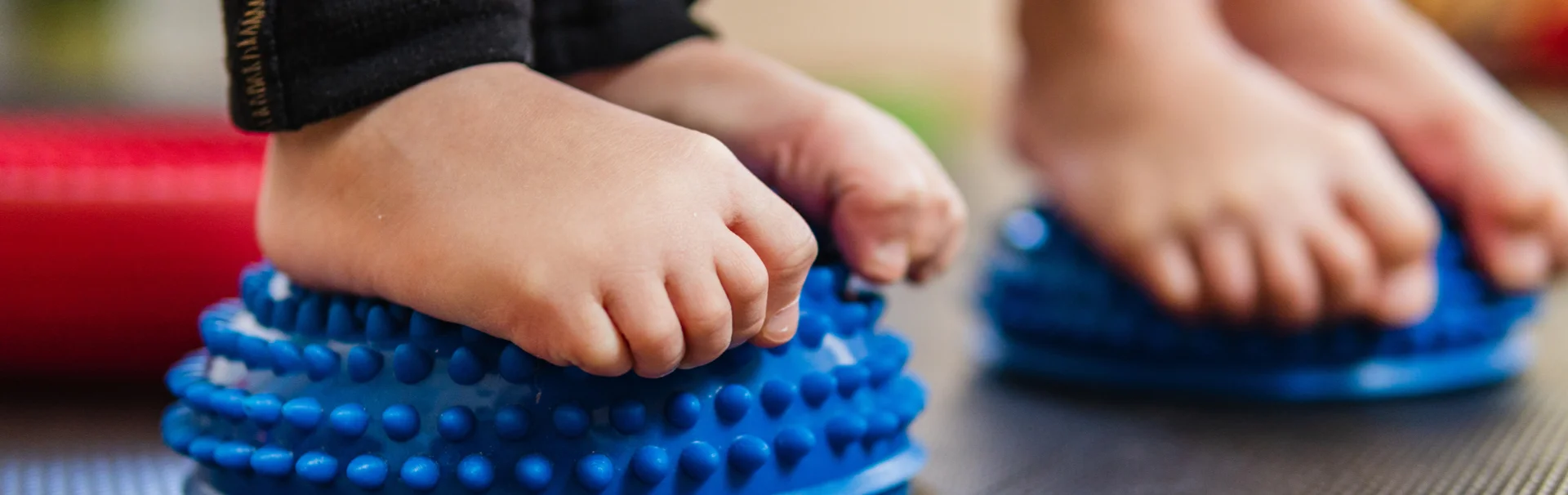
- Flat feet: a lowering of the arch of the foot, which over time may lead to knee pain and lower back pain.
With early detection and appropriate treatment, these can be well corrected.
Walking problems, hip problems, leg pain
Gait abnormalities can be seen in early childhood, but often only become apparent later in school. The same is true for mild pain, which often has an orthopaedic cause.
- Walking disorders: e.g. turning inwards, tiptoeing, wobbling gait
- Hip problems: malformations, asymmetries, pain on exertion
- Foot pain: may result from overuse, flat feet or limb axis misalignment.
These abnormalities can be treated effectively and secondary problems can be prevented if they are recognised early.
Sports-related musculoskeletal complaints in childhood
Sports activities are beneficial but can also put increased strain on the developing musculoskeletal system. Paediatric orthopaedics often encounter complaints related to overuse or repetitive movements.
Common problems:
- pain around the knee (e.g. Osgood-Schlatter disease),
- pain or tightness around the Achilles tendon,
- heel pain (Sever's disease),
- overuse joint complaints.
Screening and a targeted orthopaedic examination can help to identify if a change in movement pattern, physiotherapy or special equipment is needed.
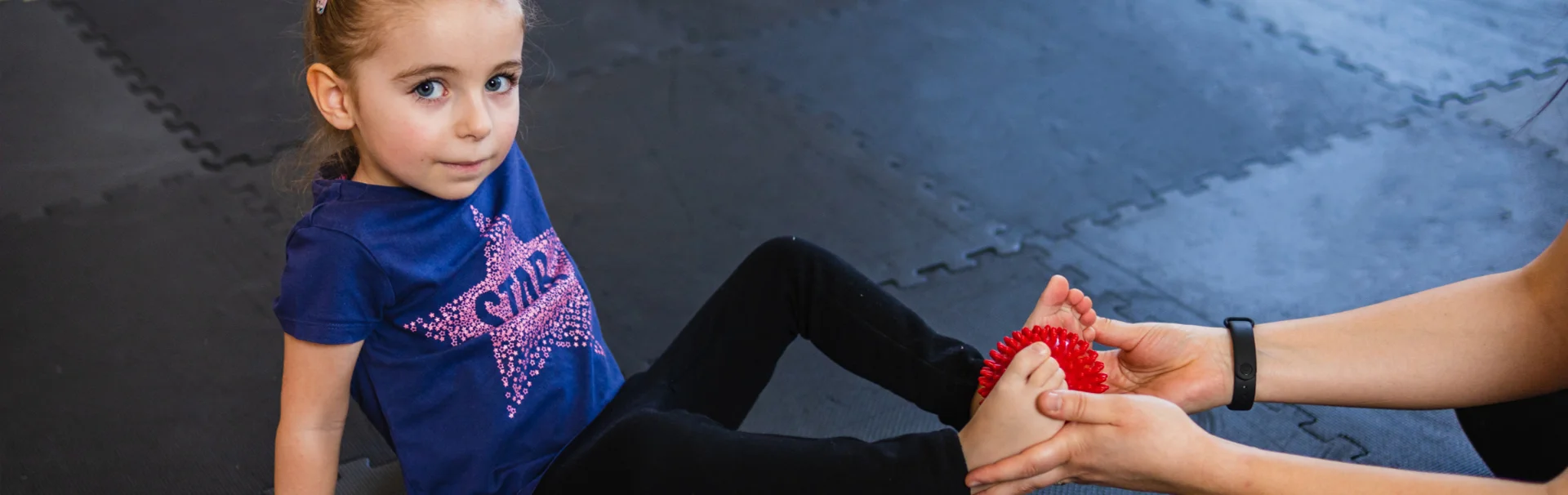
Orthopaedic examination of children from 6 years of age
- expert support at the right moment
What happens after the first test?
Following the investigation, the paediatric orthopaedic specialist gives parents detailed feedback on the child's musculoskeletal condition. If necessary, a suggestion for further action is made:
- the timing of the follow-up examination,
- physiotherapy or other movement therapy recommendation,
- device use (e.g. insoles) or lifestyle advice.
If no changes are seen, routine check-ups after a few years may be sufficient.
Why make an appointment now?
Early detection of musculoskeletal problems even at a young age can help prevent later complaints. The aim of the screening is to ensure that even mild abnormalities can be treated in time with targeted treatment, such as physiotherapy or lifestyle advice.
Our paediatric orthopaedic specialists
Dr. Nikolett Gáti
Orthopaedic and Trauma Specialist
Dr. Ákos Morvai
Paediatric Orthopaedic and Neuro-orthopaedic Surgeon

Dr. Zsolt Jórász
Paediatric surgeon,
paediatric traumatologist
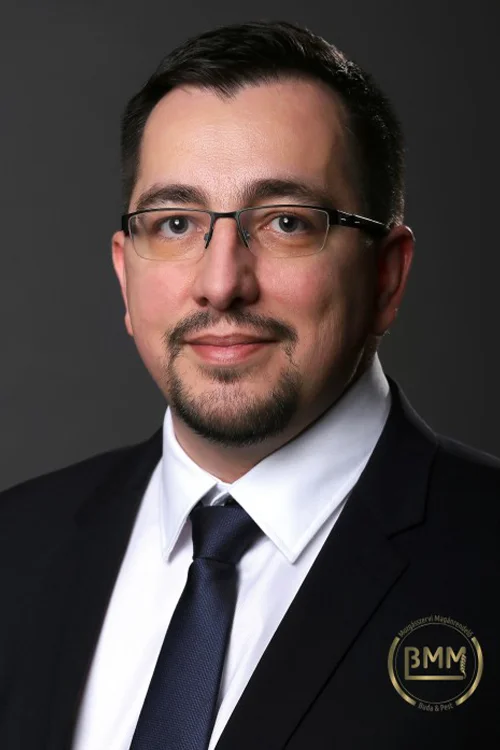
Dr. Gyula Domos
Paediatric orthopaedic specialist

Call us

Online booking