Speech therapy in Budapest
Adult speech therapy sessions
What does speech therapy do?
The speech therapy word originally meant speech education, but nowadays it has become a widespread gyógypedagogical disciplinewhich has evolved from the identifying and correcting speech disorders deal. His main areas of expertise are research, prevention, diagnosis and correction of speech disorders.
The speech and language therapist aims to help and treat patients with speech and writing disorders. These problems can arise in childhood or adulthood for a variety of reasons. Complex speech and language therapy involves a thorough assessment of the individual's condition, which provides the basis for a fully individualised and personalised therapy. The speech and language therapist's role is to identify and screen for disorders, investigate the underlying causes, correct the problem, provide counselling, care and follow-up.

Speech and language therapy for adults
In adulthood, the need for speech and language therapy usually arises in two cases. Many people have a speech impediment or articulation discrepancy that does not fundamentally affect their quality of life, so they have not previously invested in correcting it. However, sometimes a life situation brings this deficiency to the fore. In such cases, a speech and language therapist will help to correct the existing deficits.
In other cases, a speech and language therapist is needed for more serious problems. In adulthood speech may be impaired as a result of trauma, injury or organ disease. This could be a stroke, a serious brain operation or brain injury, cancer or even a laryngeal problem. In these cases, complex therapy is needed to restore speech. Speech and language therapy is a key speciality in therapy leading to recovery.
Adult speech therapy sessions last 60 minutes.
Forensic speech and language therapy opinion
Mikonya Hajnalka, a speech and language therapist specialist at the Budapest Musculoskeletal Private Clinic by appointment as a forensic speech and language therapist. By doing this issue official expert opinions in court proceedings and in guardianship cases. Unfortunately, after a stroke or other brain injury, the area of the brain responsible for understanding speech is often damaged. Occasionally, in the patient's own interest, there is a need to the need for a forensic speech and language therapy opinion, in order to the patient's perceptive and understanding abilities are formally clarified. In such cases, please contact the speech therapists of the Budapest Musculoskeletal Private Clinic!
Rehabilitation after stroke
From cerebrovascular accident, also known as stroke, can cause enormous damage to the brain, which can have a major impact on the life of the patient and their family and immediate environment. In each case, personalised and complex rehabilitation is needed to help the patient get back on their feet and be able to cope with the rest of their life. This may require the combined help of several professionals - specialist, physiotherapist, speech therapist, neuropsychologist and occupational therapist is also involved in the healing process. In our private practice, we work together with excellent stroke specialist neurologists, experienced physiotherapists, neuropsychologists and occupational therapists to help stroke patients who come to us.
Unfortunately, it is often the case that a stroke patient loses the ability to speak, write or even understand these skills. This is a serious psychological trauma for the patient and can also cause difficulties for the family and the community around the patient. Speech and language therapy helps in solving this problem by developing and “re-educating” the brain to its lost or impaired functions through skilled and careful therapy.
Dear Patients!
Speech therapy sessions can only be booked by telephone!
Aphasia
Aphasia can be described as a language disorder that occurs as a result of some kind of brain injury (e.g. stroke, accidental injury, tumour, meningitis). the disorder may affect not only speech and language comprehension, but also reading and writing skills. Different areas may be affected to different degrees, depending on the area and extent of the brain injury.
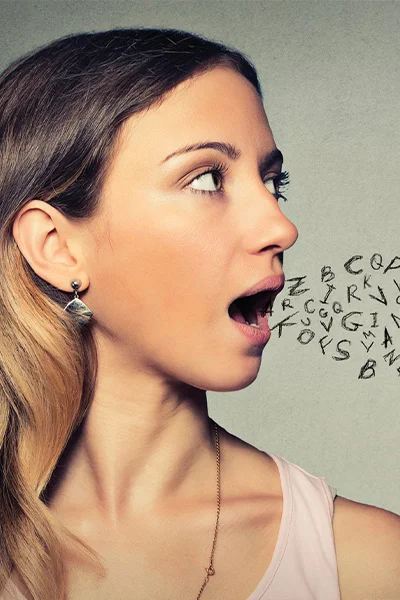
Speech and language therapy distinguishes 5 types of aphasia:
- Total aphasia - the most severe language disorder, it can involve a complete inability to speak spontaneously, with the patient being able to say, read or understand a word or two at most.
- Mixed aphasia - spontaneous speech is severely impaired, but some words, phrases or even shorter sentences can be spoken and read. Speech is usually less or moderately intelligible, with many distortions.
- Motor aphasia - spontaneous speech is impaired, but the content of speech is relatively intelligible. Ability to form complex sentences with assistance, but many distortions and mispronunciations. Speech understanding is generally less impaired, but reading and writing skills are problematic.
- Sensory aphasia - verbosity, but the content of the speech is not or barely understood. Speech understanding, literacy and reading skills may be impaired to varying degrees.
- Amnestic aphasia - word understanding is severely impaired, but speech, reading and writing are only slightly impaired.
Unfortunately, restoration of original speech in aphasia is very rare, but can be significantly improved with appropriate speech therapy.
Rehabilitation after stroke
Dysarthria is a speech disorder that occurs as a result of damage to the central or peripheral nervous system and is caused by areas of speech concerned. It can cause problems with articulation, voice production, breathing, speed and smoothness of speech. It can make speech difficult to understand, but does not affect other language skills (listening, reading, writing). The problem is caused by difficulty in motor processing of speech. Depending on the injury, aphasia may be an accompanying symptom in many cases.
Dysarthria is diagnosed by a complex examination of the speech and voice motor system, which distinguishes it from other conditions that cause similar symptoms. Speech and language therapy for dysarthria is symptom-specific and personalised, aims to make speech as natural as possible.
There is help!
Our speech and language therapist
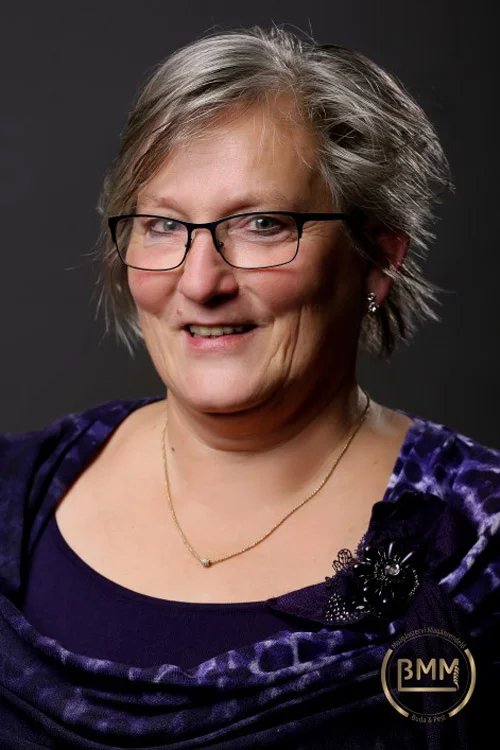
Mikonya Hajnalka
Speech and language therapist
Our highly experienced and highly qualified speech therapists are available at the speech therapy clinic of the Budapest Private Clinic for Musculoskeletal Disorders in two locations!
Időpontfoglalás: +36-1-44-33-433

Call us