Upper limb arthroscopic surgery




Upper limb arthroscopic surgery is a modern and gentle solution to joint problems. The procedure is minimally invasive, resulting in faster recovery and less discomfort for patients. Find out more about when you may need this procedure and what to expect during surgery.
What is arthroscopic surgery?
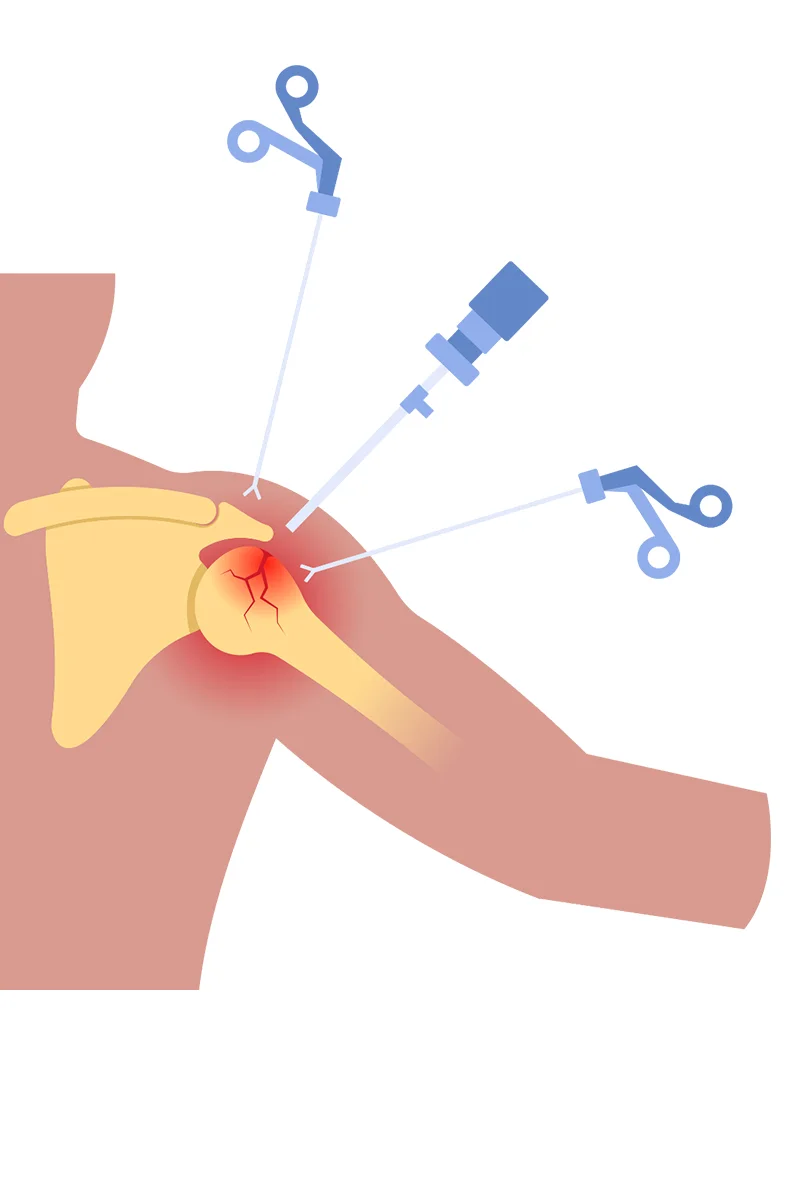
Arthroscopy is an advanced surgical technique that allows minimally invasive examination and treatment of joints. During the procedure, the doctor inserts a thin device with a camera, called an arthroscope, into the affected joint. The camera transmits a live image to a monitor, allowing the surgeon to examine the problem area in detail and target the necessary interventions.
One of the biggest advantages of arthroscopic surgery is that it involves smaller incisions, so post-operative pain can be reduced, recovery time is shorter and the risk of complications is lower than with traditional open surgery. The procedure can be used to remove or repair damaged cartilage, ligaments or tendons and to treat inflammatory and degenerative lesions.
After surgery, in most cases, personalised rehabilitation is needed to help regain joint mobility and strength. Physiotherapy under the guidance of a doctor and physiotherapist is key to a full recovery and a rapid return to daily activity.
When might I need upper limb arthroscopic surgery?
Arthroscopy may be needed in the following cases:
- Persistent shoulder, elbow or wrist pain: If the pain does not go away with rest and interferes with everyday activities.
- Range of motion narrowing: If the affected joint is difficult or limited to move, for example, if lifting the arm is impeded during shoulder arthroscopy.
- Sports injuries: A common indication is the treatment of cartilage injuries, tendon ruptures and ligament injuries, especially in active athletes.
- Rotator cuff tear: A rotator cuff tear surgery becomes necessary when conservative treatments fail to improve and the limitation of movement or pain becomes permanent.
- Dust damage: Elbow arthroscopy and wrist arthroscopy can remove damaged cartilage and treat degenerative lesions.
- Chronic tendonitis: If the arthritis is long-standing and conservative therapy does not help, arthroscopic surgery of the upper extremity is an option to remove the inflamed tissue.
Dr. György Kocsis PhD
Orthopaedic traumatologist, hand surgeon, assistant professor, wrist, elbow and shoulder surgeon, upper limb specialist
Online appointment booking for Bokor Street:
Please choose the service that suits you
The control fee is valid for 3 months after the initial examination, for the same complaint.
- 1. Select the service you need from the drop-down box!
- 2. Use the calendar to choose a date that suits you!
- 3. Enter your details to register or login with your previous registration!
- 4. If you would like to make a reservation on behalf of someone else (e.g. your child), please let us know at the location provided.
- 5. Briefly describe your complaints!
- 6. Select the type of consultation: initial examination, control examination or prescription.
- 7. Click on the button to book your appointment. Thank you for choosing BMM!
If you are unable to make the appointment you have already booked, please, at least 24 hours before notify us of your intention to withdraw. This gives other patients the opportunity to get the medical care they need in time. Thank you for your cooperation and understanding!
Resignation: +36 1 44 33 433
If for the week of your choice cannot find an available appointment, for further assistance, please call our call-center at +36 1 44 33 433-phone number! Our staff will be happy to help you make an appointment with the doctor of your choice or another specialist according to your complaint.
Shoulder arthroscopy
A shoulder arthroscopy is a minimally invasive surgical procedure that effectively treats shoulder joint problems, reduces pain and helps regain range of motion. Visit arthroscopic shoulder surgery is performed through smaller incisions, resulting in faster healing and fewer complications compared to traditional open surgery. Shoulder arthroscopy is the shoulder surgery is a modern procedure that can provide solutions for many musculoskeletal problems.

When is shoulder arthroscopy needed?
Injuries and lesions of the shoulder joint often cause pain, limited mobility and instability. Shoulder arthroscopy is particularly recommended in the following cases:
- Rotator cuff tear surgery: If the rotator cuff that stabilises the shoulder muscles is damaged, it can cause restricted movement and persistent pain. The aim of surgery is to repair the tendons and improve shoulder function.
- Impingement syndrome (shoulder stiffness): This condition occurs when joint structures rub against each other during shoulder movement, causing pain and inflammation. The arthroscopic procedure helps to release the tight space.
- Company name or instability: In the case of recurrent shoulder dislocations or chronic instability, a shoulder arthroscopy can allow the doctor to repair damaged structures to prevent further damage to the joint.
- Frozen shoulder syndrome (adhesive capsulitis): This painful condition is associated with a gradual restriction of movement of the shoulder joint, caused by thickening and flattening of the joint capsule. If conservative treatments (physiotherapy, injections) fail to improve, shoulder arthroscopy can help loosen the flattened tissues and restore range of motion.
How is shoulder arthroscopic surgery performed?
From arthroscopic shoulder surgery procedure the doctor makes a few tiny incisions in the skin to introduce the arthroscope, a slim device with a camera. This allows the joint to be examined accurately and the necessary interventions to be carried out.
- The surgery can be done under general anaesthesia or local anaesthesia.
- The type of intervention depends on the nature of the lesion: removal of cartilage damage, repair of a torn tendon or treatment of instability.
- Due to the smaller notches in the pain after arthroscopic surgery is usually milder and the recovery time is shorter than for open surgery.
Dr. Balázs Gloviczki PhD
Orthopaedic-traumatologist, shoulder specialist
Online appointment booking for Budafoki út:
Please choose the service that suits you
Control fee: HUF 35 000, for 3 months after the initial examination, for the same complaint.
- 1. Select the service you need from the drop-down box!
- 2. Use the calendar to choose a date that suits you!
- 3. Enter your details to register or login with your previous registration!
- 4. If you would like to make a reservation on behalf of someone else (e.g. your child), please let us know at the location provided.
- 5. Briefly describe your complaints!
- 6. Select the type of consultation: initial examination, control examination or prescription.
- 7. Click on the button to book your appointment. Thank you for choosing BMM!
If you are unable to make the appointment you have already booked, please, at least 24 hours before notify us of your intention to withdraw. This gives other patients the opportunity to get the medical care they need in time. Thank you for your cooperation and understanding!
Resignation: +36 1 44 33 433
If for the week of your choice cannot find an available appointment, for further assistance, please call our call-center at +36 1 44 33 433-phone number! Our staff will be happy to help you make an appointment with the doctor of your choice or another specialist according to your complaint.
Book cartroscopy
When is it recommended?
Injuries and degenerative changes to the elbow joint can cause significant pain and reduced mobility. From arthroscopic elbow surgery is particularly justified in the following cases:
- Tennis elbow: Tendonitis caused by chronic overuse or repetitive motion, which causes persistent pain. The arthroscopic procedure can remove the inflamed tissue and reduce pain.
- Dust damage: Damaged or detached pieces of cartilage can lead to obstruction of joint movement and pain. During the procedure, these can be removed to facilitate smooth movement.
- Chronic inflammation: For long-term arthritis, arthroscopic surgery can help to remove the inflamed tissue and relieve the joint.
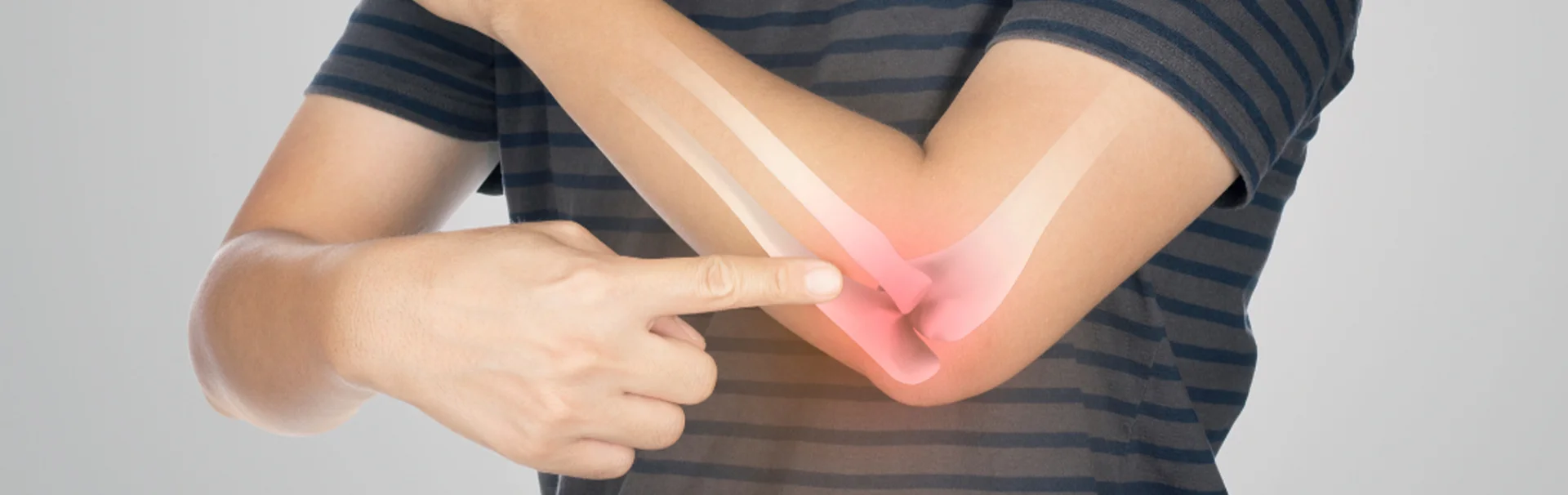
The elbow arthroscopy procedure and recovery
During the surgery, the doctor will make a few small incisions to introduce the arthroscope and the necessary surgical equipment. The procedure is performed under general anaesthesia or general anaesthesia and is targeted to the problem area.
After the operation, the pain is usually well tolerated and subsides within a few days. Physiotherapy is key to regaining range of motion and restoring stability to the joint.
The return to sporting activities is gradual, depending on the severity of the lesion. After the simplest interventions, everyday movements can be 2-4 weeks can be recovered in less time, while at higher loads full recovery 2-3 months you can also use.
Wrist arthroscopy
When might you need a wrist arthroscopy?
If you are experiencing persistent wrist pain or reduced range of motion, arthroscopic surgery can be an effective solution to hand surgery in the following cases:
- Tape injuries: Partial or complete rupture of the wrist ligaments can cause instability and pain, which in the long term can lead to reduced mobility. These can be repaired with arthroscopy.
- Dust damage: Pain and stiffness caused by damage to the articular cartilage can be treated by cleaning the affected area or by interventions to help the cartilage surfaces regenerate.
- Sports injuries: Injuries to the wrist, such as cartilage injuries and ligament problems caused by overuse or sudden trauma, often require surgical intervention.
How is wrist arthroscopic surgery performed?
The procedure involves the doctor inserting the arthroscope and special surgical instruments into the wrist joint through tiny incisions. The surgery is performed under general anaesthesia or general anaesthesia and targets the problem area.
Recovery time varies depending on the nature of the intervention, but return to normal activities usually takes 2-6 weeks, while more intense physical exertion and sport can be gradually built back up over 2-3 months. Physical therapy and adherence to medical guidelines are essential for a successful recovery.
Recovery and rehabilitation
The recovery time after arthroscopic surgery of the upper limb varies from person to person, but can be significantly accelerated with proper rehabilitation. The aim is to reduce pain, restore range of motion and regain joint stability.
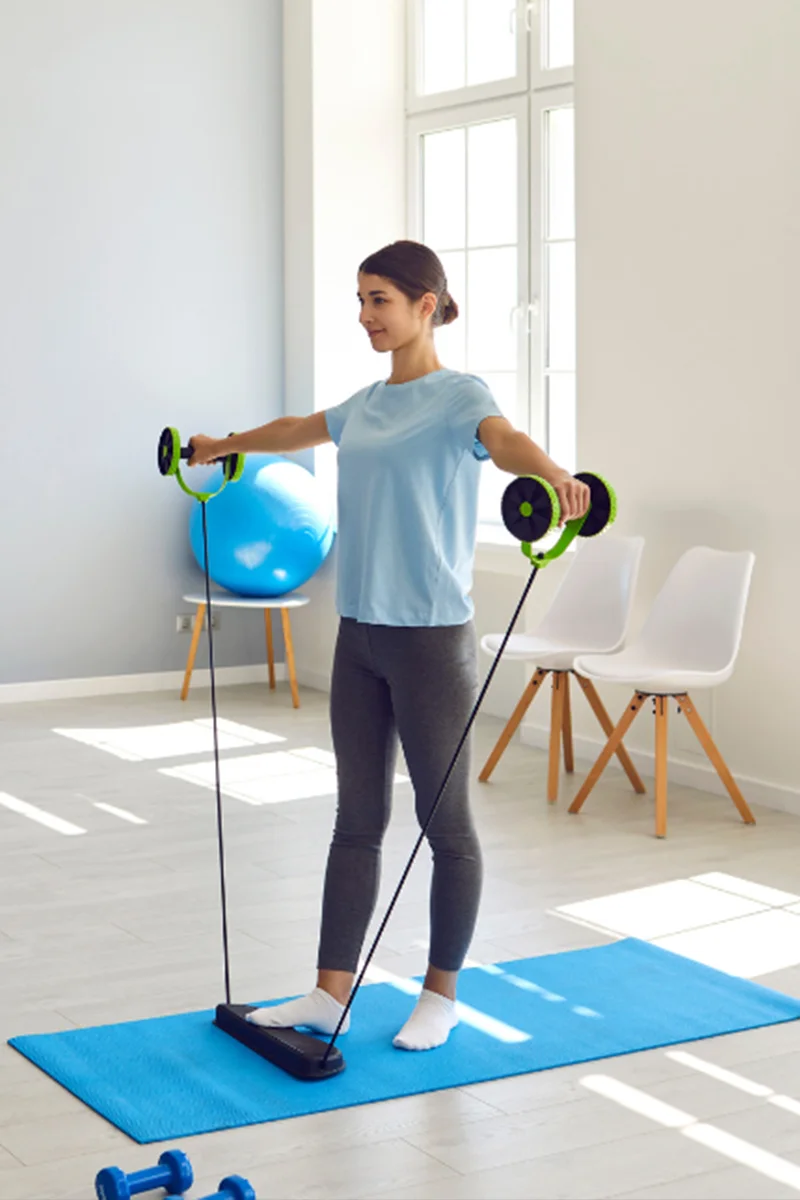
How long is the recovery time after rotator cuff surgery?
The rate of recovery depends on the type of intervention performed, but can generally be divided into the following stages:
- Week 1: Rest, minimal movement, arm immobilisation may be necessary.
- Weeks 2-6: Starting physiotherapy, gradually restoring the range of motion.
- 3-6 months: Strength building exercises, regaining full mobility, gradual return to sporting activities.
Pain after surgery - how long is it normal?
The first few days of the swelling and pain a natural reaction that can be relieved by painkillers and icing, among other things. The pain will gradually decrease, but if After 6-8 weeks persists or worsens, you should seek medical advice.
For successful rehabilitation, it is important to perform physiotherapy consistently and follow the doctor's instructions. If you have any questions about your recovery, please contact our specialists.
Dr. György Kocsis PhD
Orthopaedic traumatologist, hand surgeon, assistant professor, wrist, elbow and shoulder surgeon, upper limb specialist
Exercise after arthroscopic surgery of the upper limb
The total recovery time for the performed arthroscopic surgery of the upper limb and the individual healing process. Rehabilitation gradually restores joint mobility and load-bearing capacity, so it is important to follow the guidelines of your doctor and physiotherapist.
When can you return to active movement?
Sport can be gradually resumed as recovery progresses:
- Easy movement (e.g. walking, indoor cycling): After 4-6 weeks
- Medium intensity sports (e.g. swimming, jogging): after 3 months
- High intensity and contact sports (e.g. basketball, handball): after 6 months
Exercising too early can increase the risk of injury, so it is always worth consulting a specialist to ensure a safe return.