The use of Dynamic Tape® taping therapy
Benefits of Dynamic Tape® taping technique
The Dynamic Tape® is a biomechanical principles applied, is a new and innovative tape made from a new material, which has a unique effect thanks to the use of biomechanical bonding methods and the special physical properties of the material.
Dynamic Tape® is a medical device that can be used in a clinical setting in accordance with the relevant European Union regulations.
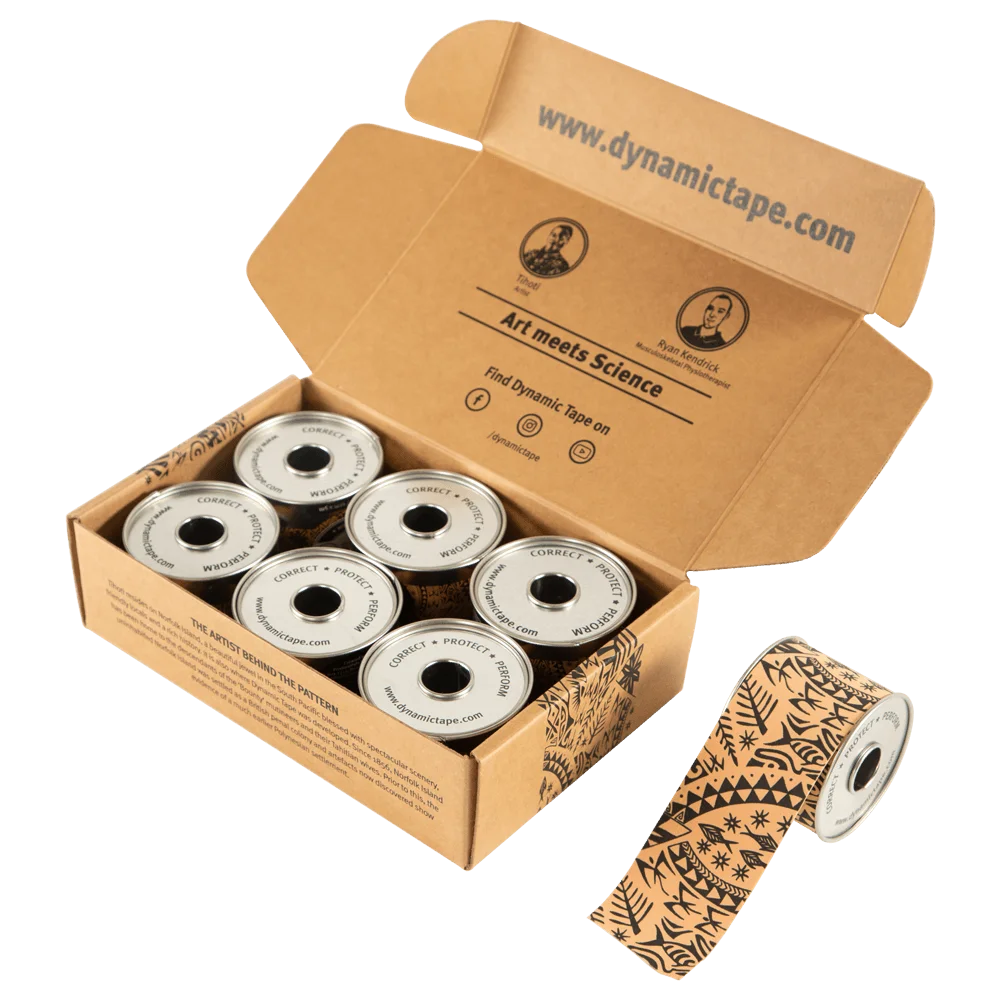
Dynamic Tape® taping technique
The Biomechanical Taping® method is a proprietary methodology that aims to altering, modifying, reducing or partially absorbing the mechanical forces that the damaged soft tissue formations would normally have to cope with. During the therapy, the forces that cause pain and other symptoms can be managed by the powerful elastic energy of Dynamic Tape®, so that the mechanical factors that cause the symptoms can be targeted and effectively controlled.
The Using Biomechanical Taping® methods it is possible to influence different movement patterns, joint positions and axes, to modify the direction, length and force exerted by the muscles, and to to improve the dynamic and static stability of joints without, without significantly limiting the necessary freedom of joint movement.
Dynamic Tape® has a particularly strong tensile strength in neurological conditions such as stroke or peripheral nerve injury – can be used effectively to correct and inhibit abnormal movement patterns and in some cases may be a more flexible, functional therapeutic alternative to rigid fixation orthoses.
However, as with other taping techniques, the tactile stimuli from skin contact may be observed to alter pain sensation, promote lymphatic circulation and improve joint positioning, but these effects are secondary to biomechanical load management.
Why choose the Dynamic Tape® taping technique?
Dynamic Tape® differs significantly from traditional kinesiotape in its physical properties and application technique, and has been developed specifically for therapeutic purposes based on biomechanical principles.
Depending on the type and strength, it is made from a synthetic nylon-lycra blend or, in some versions, recycled PET fibre, which allows the tape to stretch in all directions and provides a strong pulling force.
Kinesiotape is cotton-based, has a predominantly longitudinal elongation, minimal tensile strength and is typically applied in the stretched position of the affected figure. In contrast, with Dynamic Tape®, the tape is applied in a way that takes into account the function of the affected soft tissue, often in a shortened position, even bypassing one or more joints, which allows for biomechanical manipulation of complex movement patterns, such as a drum movement.
Dynamic Tape® works by modifying the forces applied to the body. Since the onset of pain and other symptoms is closely related to the mechanical stress on the damaged formations, the primary goal of therapy is not simply to reduce pain, but to target the forces that cause pain. This should result in an improvement in functional capacity and a reduction in pain and other associated symptoms.
Dynamic Tape® and Biomechanical Taping® provide strong external mechanical support, help improve functional performance and joint stability, support the correction of adverse movement patterns, reduce mechanical stress on damaged tissues, help to influence functional axis misalignments in a positive direction and help weakened or stretched muscles to function more efficiently.
When should you choose another treatment?
The use of Dynamic Tape® is contraindicated on sensitive, thin, damaged or sunburnt skin, in peripheral nerve disorders associated with diabetes, or in cases of major arterial or venous circulatory disorders.
To avoid skin irritation, it is recommended to remove hair from the treated area at least 24 hours before application, if possible. Dynamic Tape® can be worn for several days or even weeks under suitable conditions, but should be removed immediately in case of skin irritation. Warm, humid environments or swimming may reduce the duration of wear, which can be increased to some extent by the application of an adhesive spray.
Dynamic Tape® is widely used as an adjunctive therapeutic device, particularly in cases where the aim is to relieve mechanical stress on damaged tissues, influence abnormal movement patterns or support joint stability.
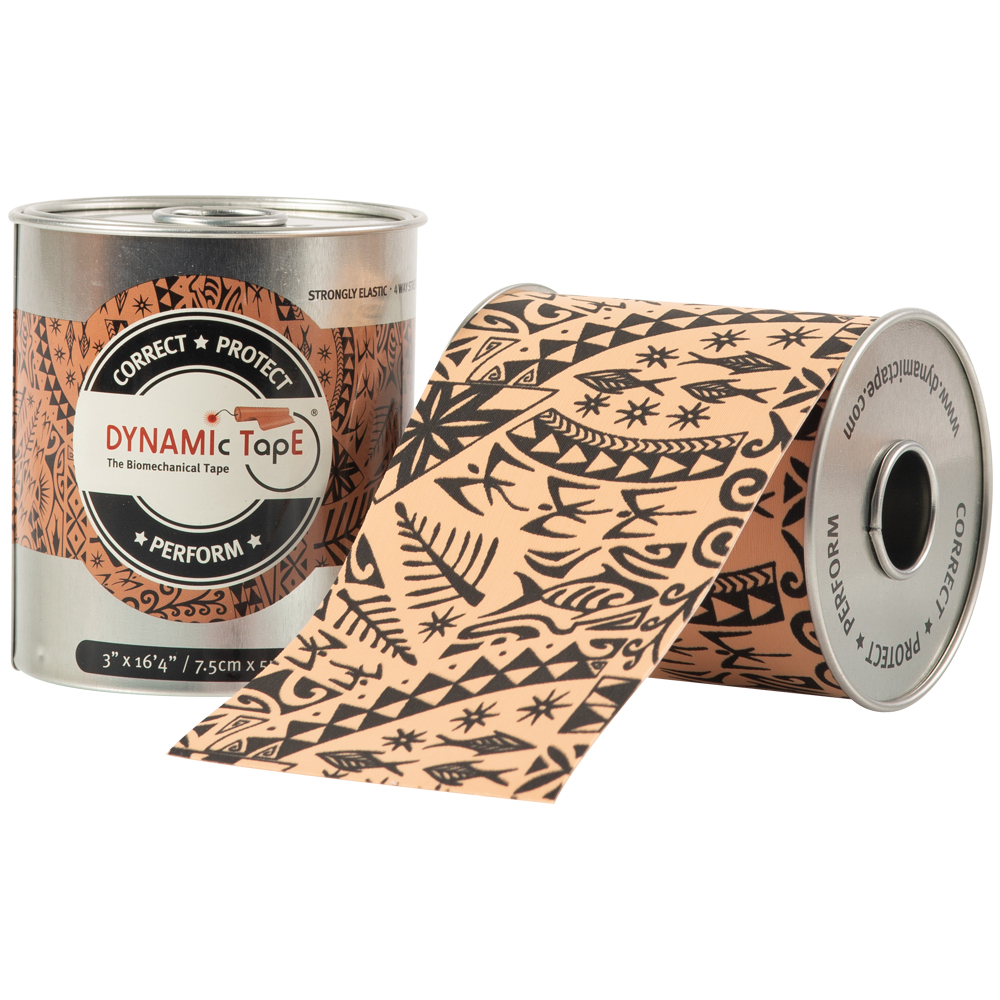
Typical examples of the application may include:
- functional unloading of the lower and upper limb joints under load,
- acute or chronic ankle instability and rehabilitation after ankle sprains,
- knee joint instability, functional support following cruciate ligament injury or surgery,
- support leg raising in case of peroneal nerve/muscle dysfunction, as an alternative to rigid orthoses,
- degenerative tendonopathies and overuse syndromes as part of load management,
- in the case of neurological involvement (e.g. stroke, peripheral nerve injury) to support the correction of abnormal movement patterns.
The use of Dynamic Tape® is always based on individual assessment and therapeutic goal setting and is not a substitute for active rehabilitation, but can be an effective complement to it.

Call us

Online booking