McKenzie physiotherapy
The McKenzie physiotherapy method is a specific system of testing and treatment for spinal problems, which one of the most widely used spinal procedures worldwide. The method is a system based on active movement therapy (physiotherapy), which emphasises exercises that the patient can perform independently. Through these exercises the patient is able to influence his/her pain and the outcome of the problem. The therapy is personalised, tailored to the individual problem and the patient's expectations in order to achieve the most effective treatment.
How is the McKenzie method structured?
The method is a active movement therapy (physiotherapy) system, which emphasises exercises that can be done independently by the patient. The learned exercises that the patient can control themselves the pain and the outcome of the problem. The patient is therefore not a passive subject but an active participant. The easy-to-learn physiotherapy exercises and ergonomic advice given at home are an integral part of the therapy and contribute greatly to its success and recovery. By applying the McKenzie method professionally avoid a recurrence of the problem and often surgical intervention.
What is McKenzie physiotherapy?
The first occasion is marked by a thorough musculoskeletal examination, known as a with health check the therapist begins, which reveals the cause of the pain. The assessment involves the patient repeating specific movements and postures while observing the effect on pain. This is used to design the most effective treatment programme tailored to the individual.
What is the McKenzie method?
The method was developed by Robin McKenzie, a physiotherapist in New Zealand, and is now used successfully in 40 countries around the world. The Severmed Musculoskeletal Centre is a McKenzie clinic in Hungary. Our leading physiotherapist, Éva Pető, is also the organiser of McKenzie courses in Hungary.
For what problem is McKenzie physiotherapy recommended?
Primarily for spinal hernia and acute spinal pain (cervical, thoracic, lumbar), this is the first movement programme to be used in the treatment of these conditions.
The therapy also treats disc problems (discus protrusio, discus prolapsus, discus hernia), spinal problems and problems of the limb joints.

Tímea Szentpétery
Physiotherapist
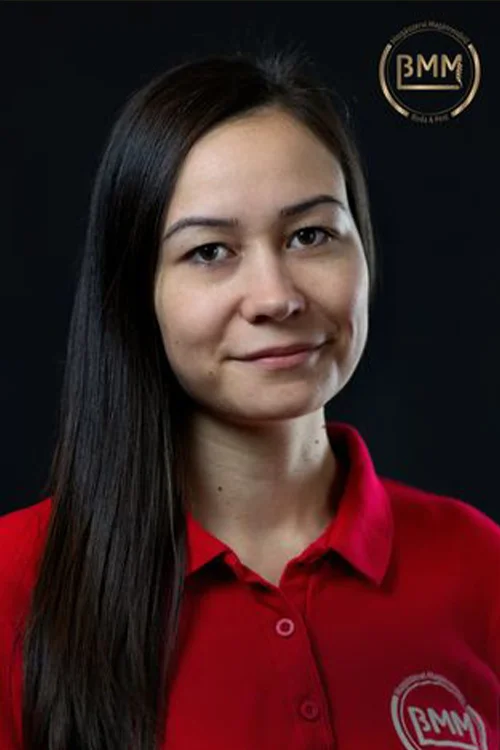
Dorottya Lilla Sándor
Physiotherapist
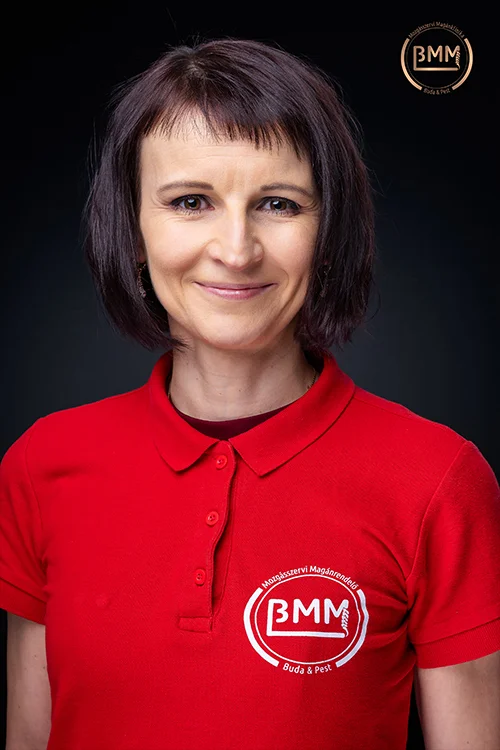
Major Rita
Physiotherapist
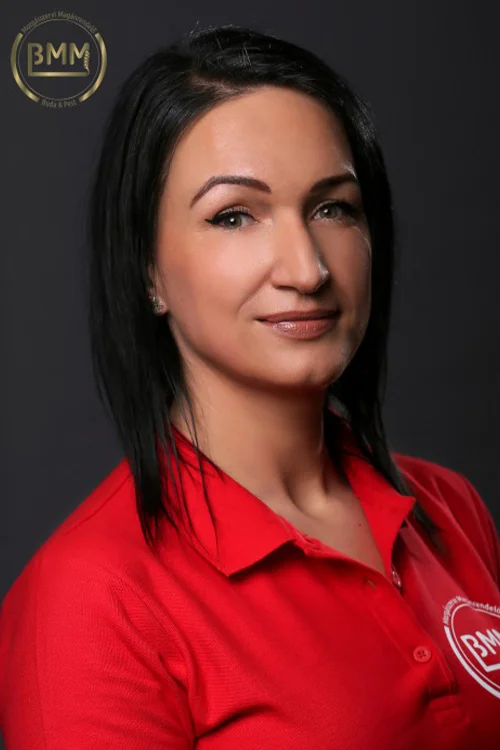
Krisztina Tatai
Physiotherapist

Call us

Online booking