Physical therapy

What is physiotherapy good for?
The physiotherapy for all the patient's to reduce your complaint, or to prevent (non-surgical) treatment.
It can be used in a wide range of applications, before and after surgery and for sports injuries, musculoskeletal accidents after birth, for musculoskeletal birth defects, for scoliosis, as preparation for childbirth, as postnatal regeneration, for people with autoimmune diseases - to slow down symptoms, to maintain levels, for joint, muscle and ligament injuries, due to disc degeneration, for osteoporosis, neurological, internal medicine and other specific diseases, or as a preventive measure for sedentary workers.
In many cases, if used regularly, surgery can be avoided! In our private practice we use individual physiotherapy, tailored to the needs and complaints of our patients. You can find out more about the specific techniques we use here:
What is the difference between physiotherapy and physiotherapy?
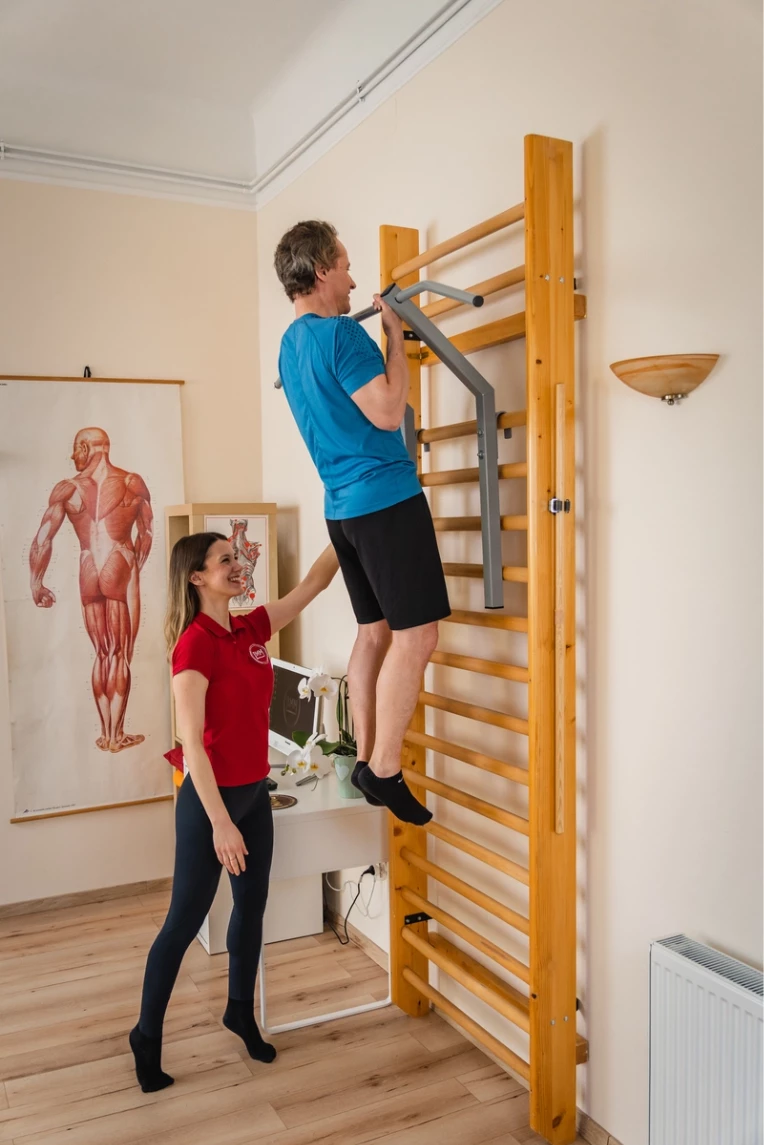
The physiotherapy means using natural forces in treatments:
- own muscle power,
- massage,
- balneotherapy,
- heliotherapy.
The physiotherapy but purely the use of physical forces, where we usually use electricity, light, heat or mechanical energy. These include TENS, ultrasound, soft laser, shockwave therapy, wave massage, selective stimulation current therapy, etc.
There are three main types of physiotherapy techniques:
- Active gymnastics for exercises
- Manual techniques; it consists of joint-bone and soft tissue treatments
- Physiotherapy for treatments
What methods are used during the treatments?
I always use the we apply the most relevant treatment during therapy, which the physiotherapist is skilled in and which is individually adapted to the patient's problem. This can be improve circulation, increase range of motion, strengthen muscles, Schroth therapy for scoliosis - mainly for developing children, manual therapy, soft tissue therapy for muscle and tissue regeneration, (manual, SMR with cylinder, flossing, spitting, other instrumental techniques) mechanical therapy, physiotherapy for pain relief, strengthening weakened- paralysed muscles, muscle relaxation, application of kinesiotape.
It is worth formulating that active exercise is always the most effective. If for some reason this is not possible, other techniques and methods can be used to supplement this.
Homework assignment is also given to patients to help them recall and practise the active exercises done in class. In this Physiotec a Canadian programme to help us. Here is a short video and description of each exercise in a database of thousands of exercises.
What is the procedure for a physiotherapy assessment?
The physiotherapy assessment is carried out after the first appointment with the physiotherapist, following a consultation with a specialist doctor. We always start with a thorough questioning; about the patient's current and past complaints, surgeries, sports history, work history, and in fact anything that might affect the complaints. We then see the patient in their underwear, assess their range of motion, muscle strength and if they have imaging, we look at it together and discuss what we see (not just the description!) Finally, we decide on a course of treatment, set goals together and get into the gym.
However, a full-fledged gymnastics/treatment rarely fits into the first session, as most of the time it is worth taking the time to do the above, leaving the core treatment for the second session.
Pre-operative physiotherapy
The so-called preoperative physiotherapy is used before planned operations. The aim of the treatments is to prepare the patient for the intervention, depending on the problem, so that the surgery can achieve the best possible result. We prepare the patient muscularly with personalised treatment of the surrounding joints and ergonomic advice, and try to create the most optimal rehabilitation conditions for the patient.
Rehabilitation physiotherapy
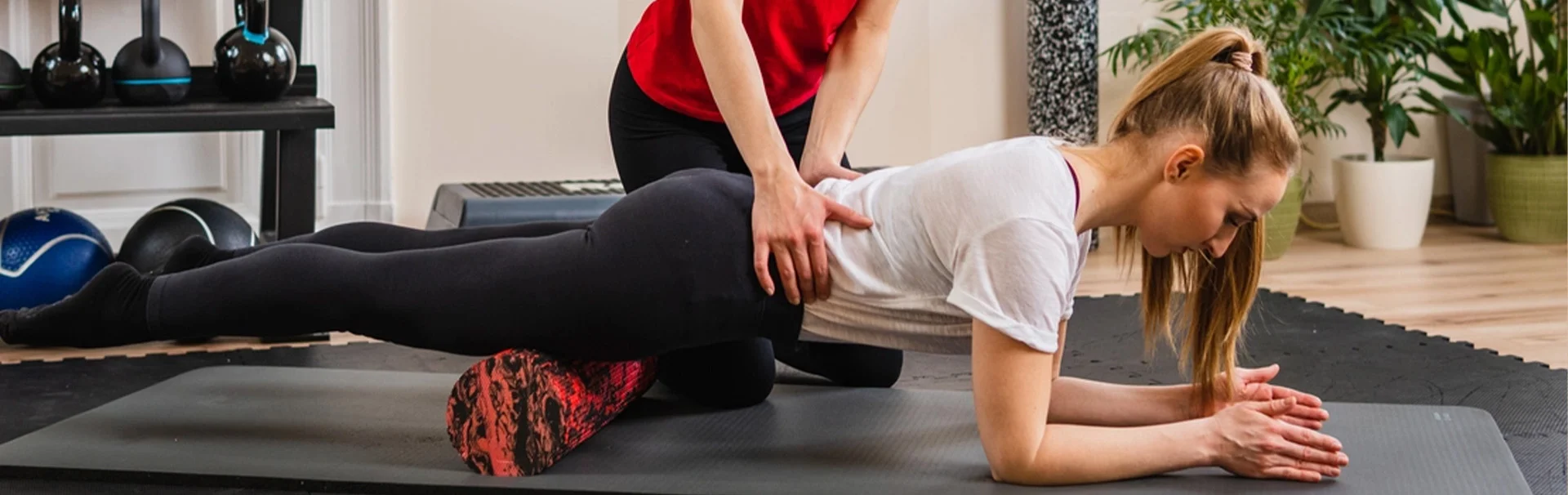
Rehabilitation physiotherapy is divided into two major sub-categories:
The postoperative physiotherapy we treat patients who have already undergone surgery. We teach contra-indicated movements through personalised therapy and gradually restore the functions of the affected area according to the rehabilitation plan.
Sports rehabilitation for the treatment of sudden injuries that occur during sport, such as fractures, sprains, sprains, and the consequences of a long period of incorrectly performed sport, such as joint abrasions. Effective treatment is based on a functional approach to therapy, i.e. the exercises and methods focus on restoring proper joint and complex bodily function as the primary goal. The second main aspect of the therapy is to reduce the risk of re-injury through preventive exercises.
What is rehabilitation physiotherapy?
- Injury therapy
- Lymphatic drainage, scar treatment
- Coordination training
- Strength training, cardio training
- Balance exercises, dynamic stabilisation
- Proprioceptive training
- Functional therapy, sports movement training
Our physiotherapists
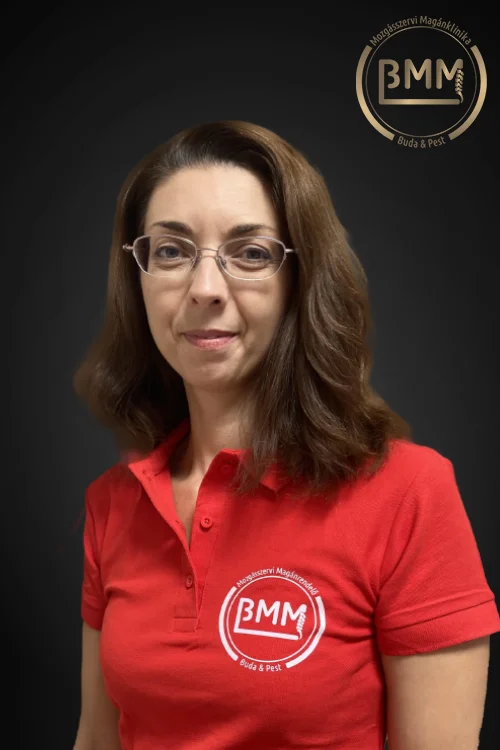
Tímea Szentpétery
Physiotherapist
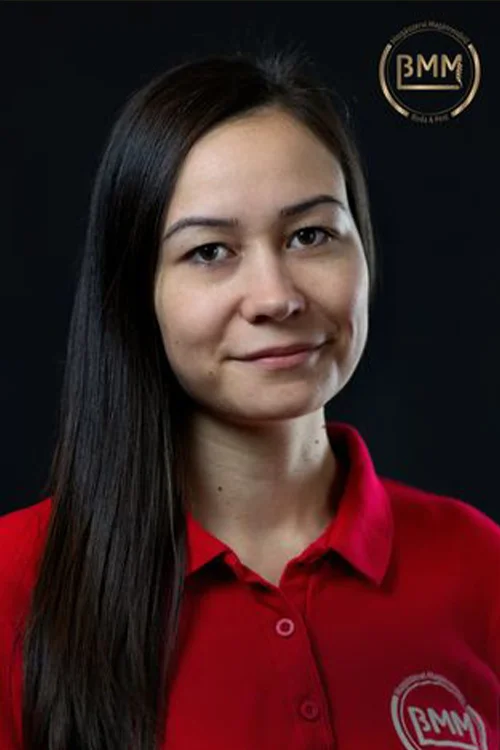
Dorottya Lilla Sándor
Physiotherapist
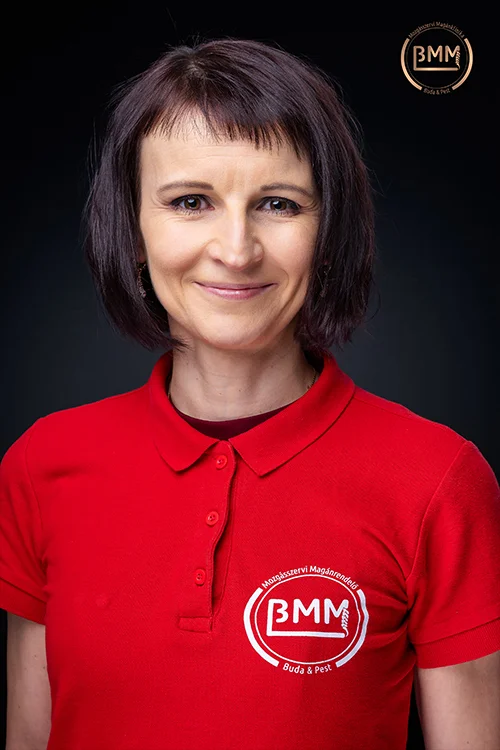
Major Rita
Physiotherapist
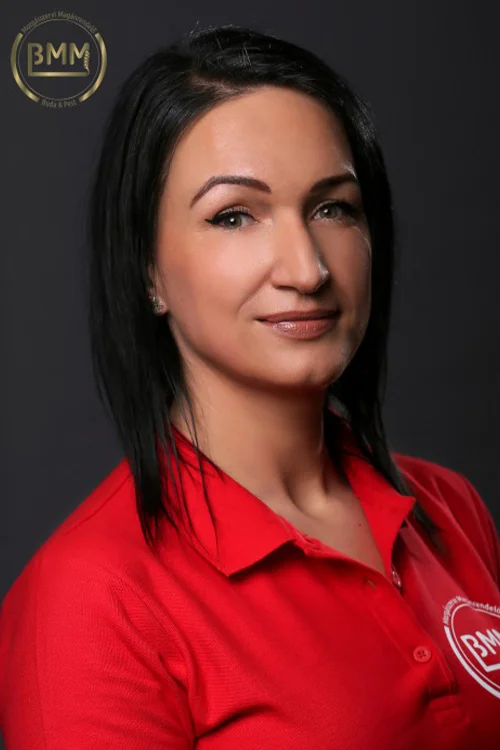
Krisztina Tatai
Physiotherapist
We can make an appointment for today, tomorrow or Saturday to Sunday

Call us

Online booking