

4.9 ⭐⭐⭐⭐⭐ (4003)
Professional online lecture for physiotherapists
Rehabilitation for the future
Robot-assisted hip and knee prosthesis implantation with a clinical perspective
Location: Online, from the comfort of your home | Date: 2026.02.10. 18:00
How robotics is reshaping rehabilitation?
This presentation will give a comprehensive, credible picture of the real importance of robot-assisted surgery - beyond the marketing promises.
What we will talk about:
- Functional results: New dimensions of postoperative rehabilitation and long-term outcomes.
- A practical approach: Clinically relevant correlations in workload and patient journey planning.
- Professional cooperation: How will the joint work of surgeon and physiotherapist change in the age of robotics?
Start:
book your place for free
From whom you can learn first-hand
During the lecture, renowned experts in the field will share their practical experience in the world of robot-assisted surgery.
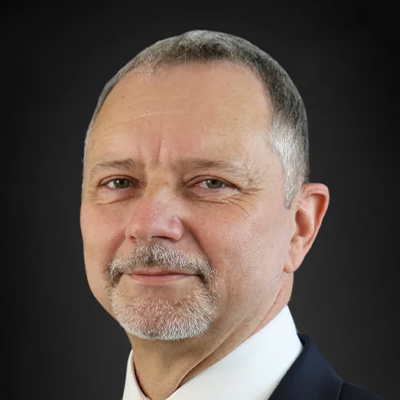
Dr. Péter Molnár
Orthopaedic traumatologist, chief operating surgeon, robotic surgeon
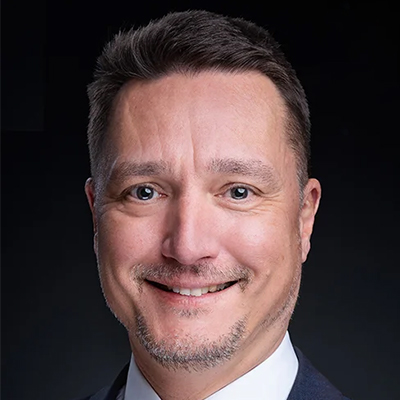
Dr. Szabolcs Gáspár
Orthopaedic traumatologist, head of department, robotic surgeon
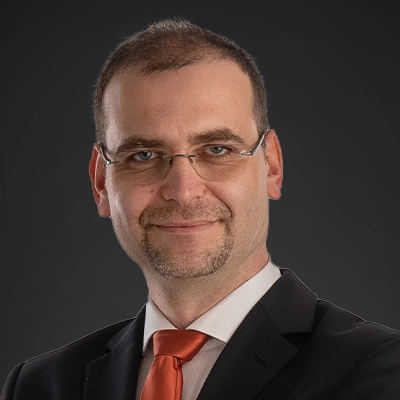
Dr. Bence Balázs Moravcsik
BMM Academy Director
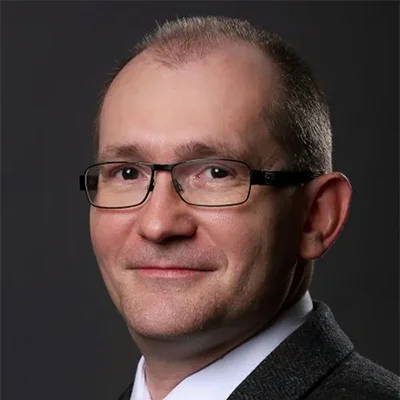
Dr. Zoltán Bejek PhD
Orthopaedic-traumatologist, Head of the BMM Robotic Surgery Centre

Dr. Gergely Holnapy PhD
Orthopaedic traumatologist, assistant professor, robotic surgeon
Where you may have already met us





Why is the physiotherapist a key player in post-robotic surgery outcomes?
Robot-assisted orthopaedic technology will not replace the surgeon - but it does create a level of biomechanical precision that will fundamentally transform the possibilities for rehabilitation.
Robotic systems such as CORI allow for tenths of a millimetre accuracy of alignment, soft tissue balance and axis adjustment. This is not a technological curiosity, but directly determines whether the patient:
- when it can be loaded,
- how stable your joint is,
- how predictable its range of movement is,
- how quickly you can return to daily activity.
In this process, the physiotherapist becomes the „translator” of surgical precision into functional movement. It is not the same whether you start rehabilitation from day one with a traditional implant or a digitally designed, robotically executed, soft-tissue-optimised joint.

This presentation will show how the role of physiotherapy changes when surgery no longer works with approximations but with measurable precision.
Function
Accuracy
Design
This presentation is for you if you...
- would like to understand exactly how robotic-assisted and conventional prosthetic implantation differ in terms of rehabilitation
- often meet patients at the preoperative decision stage and want to provide credible, evidence-based answers
- Interested in how digital soft tissue and axle design affects early mobilisation, stability and proprioception
- staying up to date with innovations in orthopaedics and robotic surgery is important for your professional development
Our knowledge and experience has helped thousands of people improve their daily lives
successfully completed surgery
five star Google reviews
ordering location in Hungary
years of professional experience
Our results are backed up by professional feedback
Read what they say earlier - Like you - physiotherapists on the presentation
András Nagy
„I particularly appreciated that this presentation was not based on marketing messages, but on clinically relevant, practically usable contexts. It was very helpful to understand how robotic-assisted accuracy influences early load capacity, stability and predictability of range of motion - and how this translates into a therapeutic plan from the very first days.”
Eszter Farkas
“The online format was great: you could follow it from home, but with focus all the time. I found it particularly useful that the differences between robotic-assisted and conventional prosthetic implantation were systematised with a rehabilitation perspective - so I can give evidence-based answers to my patients” questions with more confidence in the preoperative decision phase."
Gábor Tóth
„The greatest value for me was the concrete way in which digital soft tissue and axle design impacts early mobilisation, proprioception and functional outcomes. It is rare to find a lecture that supports surgeon-physician collaboration so well and can be immediately incorporated into everyday protocol.”
Why it is a key issue
accurate interpretation of hip and knee complaints?
Hip and knee pain for the physiotherapist not just a pain point, but a the beginning of a complex biomechanical and functional problem.
The combination of cartilage wear, axial misalignment, instability and soft tissue imbalance determines whether the patient how it moves, what it loads and what it compensates for.
These processes do not stop on their own - structural damage over time increasingly restricts range of motion, impairing gait pattern and load bearing capacity.
When conservative options no longer provide a stable function, prosthesis implantation is not the end of therapy, but a new biomechanical starting point.
The essence of modern prosthetic surgery - especially robot-assisted prosthetic surgery - is to creates more predictable axes, better soft tissue balance and a more stable joint environment, for which the physiotherapistz build rehabilitation more safely and efficiently.
This presentation will show,
how the quality of movement, load-bearing capacity and rehabilitation changes after a precisely implanted joint.