Effective treatment of soft tissue injuries:
muscle strain, sprain, bruise in one place


Symptoms and consequences of the most common soft tissue injuries
In this section, the three most common types of injury are presented separately, in clear and detailed terms. The aim is for the reader to recognise their own symptoms and know when to seek medical advice.
Muscle pulling - when is it a simple pull and when is it more serious?
From muscle strain most often occurs during exercise or sudden movement, such as running, jumping or lifting a heavy object. Depending on the extent of the injury, a mild strain may improve in a few days, but in more serious cases, recovery can take several weeks.
Symptoms that may indicate muscle strain:
- Sharp or dull pain in the muscle, especially on movement
- Swelling or muscle hardening
- Constriction of movement, weakness
- Sometimes, in more severe cases bruising
If you have severe pain, limited mobility, or symptoms do not subside after a few days, you should see an orthopaedic specialist.
Sprain symptoms - joint pain, limited mobility
The jerk affects the joint ligaments, which are responsible for the stability of the joint. This type of injury most commonly occurs in the ankle, knee, wrist or shoulder, particularly when taking a wrong step, falling or playing sport.
Symptoms of a sprain may include:
- Sudden, deep joint pain
- Swelling of the joint, warmth, redness
- Difficult or limited mobility
- Feeling of instability, „as if the joint is twisting/sliding apart”
- symptoms often develop later, e.g. during the night
In more severe sprains, the ligament may be partially or completely torn. In this case immediate medical attention is needed, otherwise chronic instability or repetitive injuries may develop.
Bruising - when is home care enough and when do you need a doctor?
The bruising occurs as a result of an external blow or fall, when the affected tissues underneath the capillaries are damaged, and minor bleeding, or bruising, occurs. Most of the time it heals on its own, but in some cases a medical examination may be warranted.
Typical symptoms of a bruise:
- Purple, blue or greenish discoloration of the skin
- Sensitivity, pain on pressure
- Duzzanat
- Warm touch in the affected area
Warning signs when to seek medical advice:
- The bruising is very large or does not go away after several days
- Pain is severe or increasing
- The damaged area is difficult to move
- The bruise is not clearly the result of a blow
A thorough orthopaedic examination can help rule out deeper injuries, such as muscle tears or hidden bone damage, which can cause similar symptoms.

Dr. Péter Doszkocs
Orthopaedic traumatologist, hip and knee surgeon, lower limb specialist, robotic surgeon
Online booking:
Budafoki Road clinic: Thursdays
Bokor Street clinic:other weekdays
Please select the appropriate service
Control fee: 25 000 HUF, for 3 months after the initial examination, for the same complaint.
- 1. Select the service you need from the drop-down box!
- 2. Use the calendar to choose a date that suits you!
- 3. Enter your details to register or login with your previous registration!
- 4. If you would like to make a reservation on behalf of someone else (e.g. your child), please let us know at the location provided.
- 5. Briefly describe your complaints!
- 6. Select the type of consultation: initial examination, control examination or prescription.
- 7. Click on the button to book your appointment. Thank you for choosing BMM!
If you are unable to make the appointment you have already booked, please, at least 24 hours before notify us of your intention to withdraw. This gives other patients the opportunity to get the medical care they need in time. Thank you for your cooperation and understanding!
Resignation: +36 1 44 33 433
If you cannot find an available appointment for your chosen week, please call our call center on +36 1 44 33 433 for assistance. Our staff will be happy to help you make an appointment with the doctor of your choice or another specialist according to your complaint.
What is a soft tissue injury and why is an accurate diagnosis important?
Soft tissue injuries are affecting muscles, tendons, ligaments or subcutaneous connective tissues lesions that often develop as a result of sudden movement, sports injuries, falls or impacts. These injuries can be mild - like a simple muscle strain - but can also occur more serious damage partial or complete ligament rupture. Although they often appear harmless at first, soft tissue injuries that are not treated properly long-term pain, reduced mobility or re-injury can cause.
That's why we also an accurate diagnosis is essential: for recovery to be quick and complete, we need to know that the type of injury and the extent of the damage. Here's what exactly happens in the affected tissues and how to distinguish between the different types of soft tissue injuries.
What happens to tissue when it is pulled, sprained or bruised?
Muscle contractions the muscle tissue is subjected to excessive stretching, causing micro-injuries within the muscle fibres. This often occurs after exercise, sudden starts or inadequate warm-up. The damaged muscle becomes inflamed, painful, swollen and sometimes accompanied by muscle weakness.
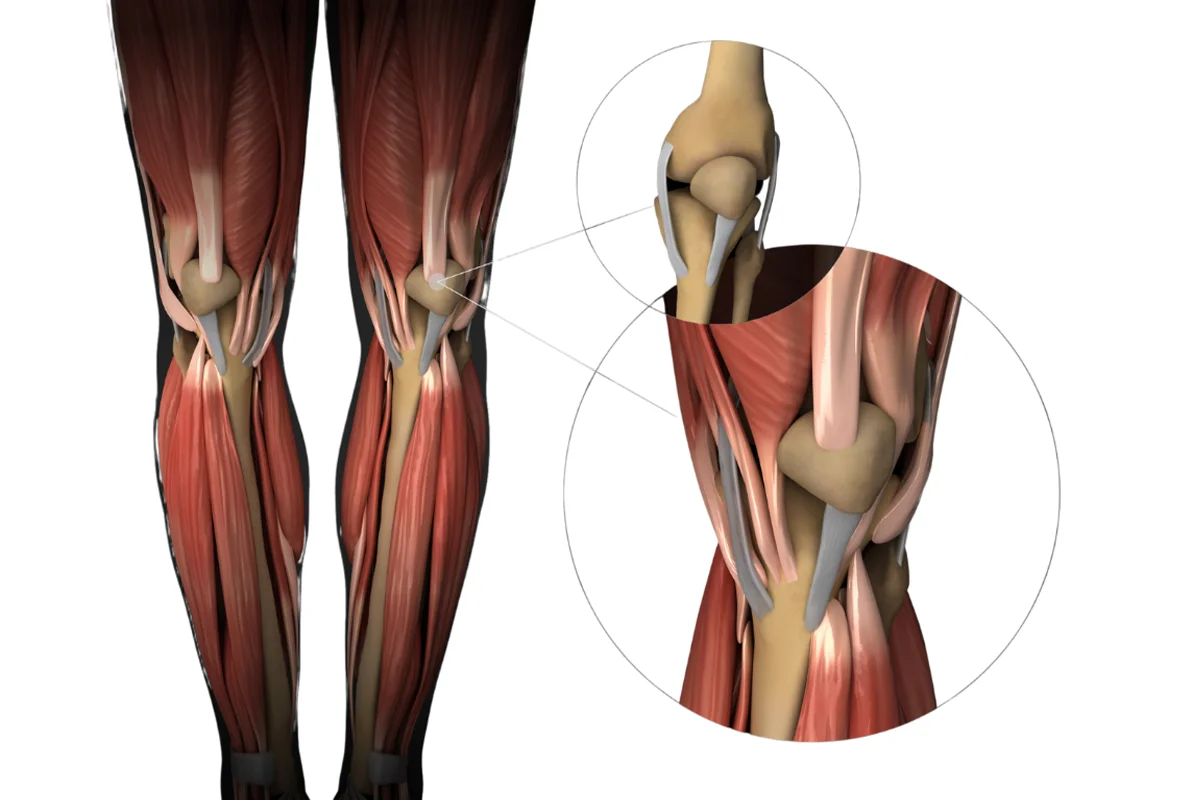
Jerk the ligaments that stabilise the joint are strained or damaged by overstretching - for example, during a bad step or a fall. The ligaments can stretch, partially tear or tear completely. This causes joint instability, swelling and limited mobility.
Bruising occurs when the body is subjected to impact or pressure, which leads to damage to the capillaries between the tissues. This leads to bruising, tenderness and swelling, even if there is no open wound on the skin.
What is the difference between the three most common soft tissue injuries?
Although muscle strains, sprains and bruises are all considered soft tissue injuries, the type of tissue injured and the nature of the symptoms are different, so it is important to be able to distinguish between them. Symptoms can overlap and a specialist is needed to make an accurate distinction. This is particularly true if the pain does not go away within a few days or if there is swelling, limited mobility or bruising.

The role of diagnosis in effective treatment
An accurate diagnosis is not only necessary to choose the right treatment, but also to recovery time, rehabilitation and prevention of relapse also largely depends on what exactly happened to the tissues.
Dr. Péter Doszkocs as an orthopaedic specialist assess the nature of the injury based on the medical history (previous complaints, circumstances of the injury) and physical examination. If necessary, imaging tests such as X-ray image or MRI-to get a full picture of the area concerned.
A well-defined diagnosis allows you to:
- the patient avoid unnecessary treatments or overloading,
- receive effective, targeted therapy, resulting in a faster recovery,
- and reduce the risk of recurrence or residual symptoms.
How is the examination done at Dr. Doszkocs Peter?
An accurate diagnosis is key to a quick and effective recovery. Dr. Péter Doszkocs as an orthopaedic specialist, he has extensive experience in the assessment and treatment of soft tissue injuries - whether it's a pulled muscle, sprain or bruise.
Dr. Péter Doszkocs
Orthopaedic traumatologist, hip and knee surgeon, lower limb specialist, robotic surgeon
1. The role of personal history in the interpretation of complaints
The first step of the examination is a detailed discussion: when and how the injury happened, what kind of movement the pain occurred during, and whether there was a previous similar complaint. This will help the doctor determine what type of injury to suspect.
2. Diagnostic imaging (ultrasound, MRI, X-ray)
If necessary, imaging tests can also help to make an accurate diagnosis. Ultrasound is an excellent tool for muscle and tendon injuries, while MRI or X-rays are used when a bone injury or major ligament tear is suspected.
3. When will it become clear that it is not just „a simple pull-out”?
Based on the physical examination and imaging results, Dr. Peter Doszkocs can accurately determine whether the injury is indeed mild or whether it is a condition requiring more serious intervention. The goal: to avoid undertreatment and prevent recurrence.
Effective solutions for soft tissue injuries - from diagnosis to full recovery
Muscle strain, sprain or bruise the aim is not just to relieve symptoms, but to achieve full recovery and restore mobility. Dr. Péter Doszkocs as an orthopaedic traumatologist, he has extensive experience in the treatment of soft tissue injuries - whether they occur during sports or in everyday accidents.
During the investigation a thorough medical history, physical and, if necessary, kimaging tests (ultrasound, MRI, X-ray) help to make an accurate diagnosis. Then a personalised treatment plan is drawn up, depending on the particular injury.
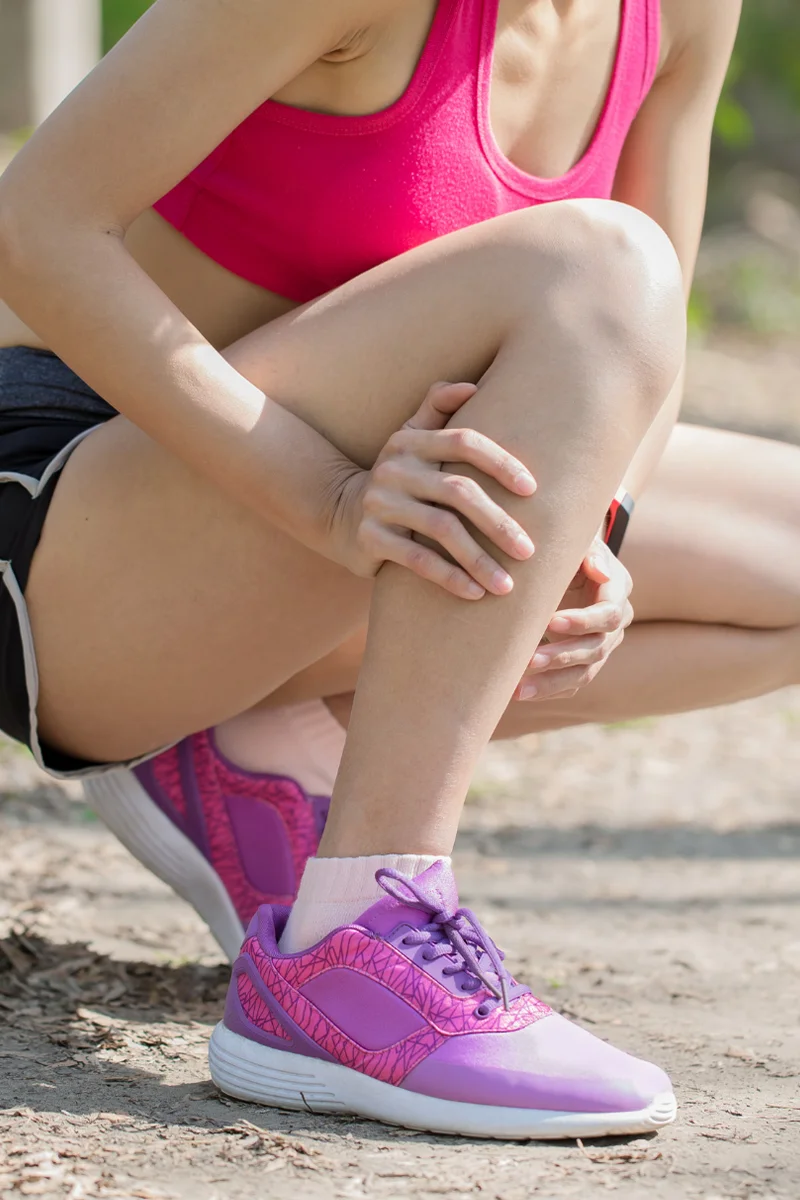
Treatment: from mild to severe
Treatment of soft tissue injuries always depends on the type and severity of the injury. The aim of Dr. Péter Doszkocs, to help patients regain pain-free mobility as quickly as possible - without unnecessary interventions, but with effective medical support when needed.
Treating acute injuries - what can you do at home?
In the case of a minor muscle strain or bruise, the well-known „PRICE” protocol applicable:
Relax, Ice, Compression, Warm up. These help reduce inflammation and pain in the first few hours.
However, if the symptoms do not subside after a few days, it is worth consulting a specialist, because the damage may be more serious than it seems.
Physiotherapy, physiotherapy and regeneration
The precisely targeted physiotherapy and physiotherapy helps the regeneration of muscles, joints and ligaments. They help prevent movement restriction and re-injury. Dr. Péter Doszkocs works with experienced physiotherapists, so patients receive a complex therapy tailored to their individual needs.
When is medication or other medical intervention justified?
More serious sprains, ligament injuries or prolonged complaints anti-inflammatory drugs, targeted injections or local physiotherapy treatments may be used. The aim: painless movement, safe return to sport or daily activities.
What can we do to prevent soft tissue injuries?
A significant proportion of soft tissue injuries could be prevented. Dr. Péter Doszkocs provides all his patients with individual advice, that help reduce the risk of future injuries - whether you are an athlete or a sedentary patient.
The most important preventive steps:
- In-depth warm-up and stretching before and after each movement
- Suitable shoes taking account of ground and soil conditions when playing sport
- Developing muscle balance targeted physiotherapy
- Avoiding overload and conscious attention to the body's signals
Even a seemingly „simple” muscle strain or bruise can lead to for prolonged complaints, if not properly treated - but a a conscious, body-friendly lifestyle most injuries are preventable.