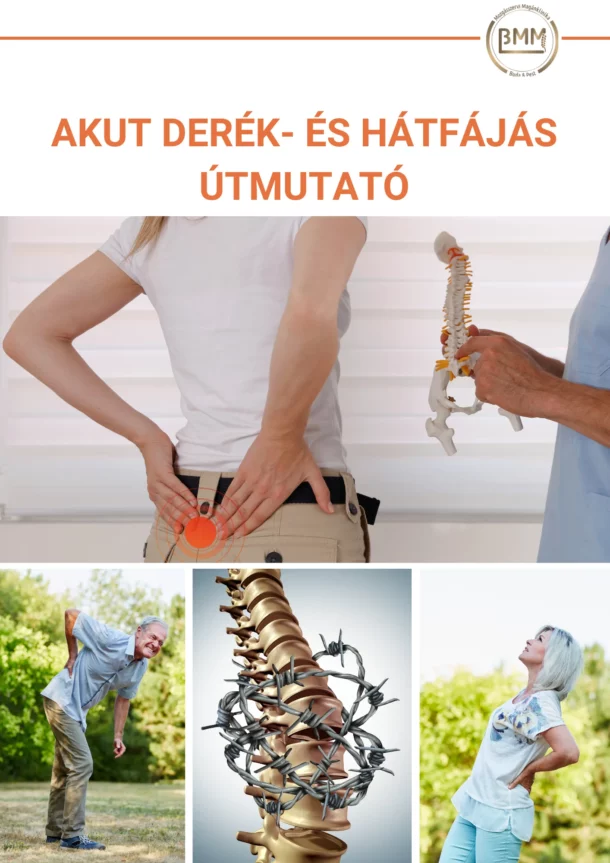
When should you see a doctor for back pain?


What is spinal stenosis?
The vertebral canal is the bony cavity that runs the length of the spinal column and contains the spinal cord. Nerves exit the spinal cord between the vertebrae and surround the body, providing movement and sensation. Spinal stenosis develops when the volume of the bony cavity is reduced for some reason, so the channel narrows. The effect of the constriction on the spinal nerves are put under pressure and can cause painful symptoms. Depending on the degree of spinal stenosis and the degree of nerve damage, symptoms can be mild or severe.
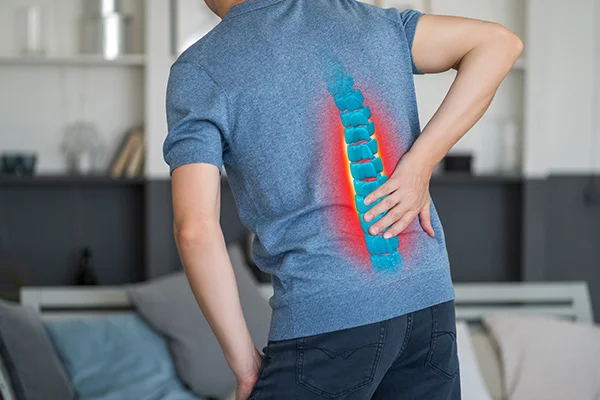
What are the symptoms of spinal stenosis?
The main symptom of spinal stenosis is dull pain in the affected part of the spine - most often the lumbar spine or the cervical section. The pain is typically chronic and can increase with exertion (for example, when walking or sitting for long periods of time), and can even become sharp and shooting. The pain is usually accompanied by numbness which is associated with can radiate towards the limbs. Muscle weakness, sensory disturbance, difficulty walking, loss of balance and, in more severe cases, incontinence and defecation. If the latter are felt, immediate specialist medical attention is required as these are symptoms that indicate surgical intervention.
Is the health of your spine important to you?
Want to avoid painful back problems?
BMM's team of specialists can help!
Free video series
We've put together a selection of useful tips, information and videos that we're now giving you for FREE! Enter your name and email address in the form below and we'll send you an email every day for the next week with details of the GERINVESTION STUDY-COMMAG compiled by our musculoskeletal experts! Content of the first letter: 6 good tips against back pain.
Dr. Gréta Sterba
Rheumatologist specialist
What causes spinal stenosis?
The spinal canal can narrow for several reasons. A most often caused by degeneration of the intervertebral discs, but spinal stenosis can also be caused by other spinal problems:
- Hernia of the cervical spine, disc herniations.
- Bony calcification of the vertebrae.
- Degeneration and thickening of joints and ligaments.
- Injury to the vertebral column, severe impact, trauma.
- A tumour or cyst.
Risk factors
Spinal stenosis in general Age 50 but it is possible that it may occur at a younger age.
Predisposing diseases:
- Hernia of the cervical spine
- Disc wear
- Scoliosis
- Obstetric spinal stenosis
- Arthritis
- Autoimmune diseases
- Muscle development disorder
Lifestyle factors that predispose to:
- Overweight
- Sedentary lifestyle
- Smoking
- Sedentary or heavy physical work
- Bad posture
- Unhealthy diet
Diagnosis of spinal stenosis
Diagnosis and treatment of spinal stenosis rheumatologist and orthopaedic specialists are dealing with. A Private Musculoskeletal Clinic in Budapest special patient journey protocol have been developed to ensure thorough investigation and effective, targeted therapies.
Our mission is to help our patients regain their freedom of movement as soon as possible, and to permanently and long term relief from painful complaints.
Building blocks for a successful investigation based on the BMM patient journey protocol:
- The medical history accurate diagnosis: many diseases can be excluded or even suspected by detailed questioning.
- In-depth a specialist physical examination. The physical examination includes a movement test and a palpation test. Based on these, a specialist will determine the necessary diagnostic imaging tests the need for. Diagnostic imaging tests can help to visualise and measure anatomical structural changes and reveal the true cause of the complaint.
- X-rays bony lesions can be confirmed by examination. X-rays are usually taken of the spine, hip joints, knees and feet. This is often necessary for isolating diagnostic purposes.
- The condition of the soft tissues, discs, articular cartilage, muscles and tendons is layeringgives accurate information on.
- In case of suspected spinal canal stenosis, for an accurate diagnosis CT (computer tomography), or MRI (magnetic resonance) test is also necessary.
- In case of nerve involvement, neurophysiological testing to determine the extent of suspected nerve damage, ENG or EMG needed.
Neuroconductive neurophysiological examinations (ENG/EMG) are available at BMM's clinics in Pest and Óbuda. The necessary X-ray, ultrasound, CT and MRI examinations are provided by our partner institutions at an external location for an additional fee.
- The studies show that the specialist makes a diagnosis and suggests a personalised treatment plan. In our private clinics, we also offer injection therapy, prescription of medication, physiotherapy (physiotherapy, manual therapy), therapeutic massage and a wide range of physiotherapy treatments. We accompany our patients throughout their healing journey!
The key to success is doctor-patient cooperation and trust!

How can spinal stenosis be treated?
The treatment options for spinal stenosis depend on the location, extent of the stenosis, the underlying cause and, most importantly, the degree of nerve damage caused. The primary aim of the treatment is to release the nerve under pressure. To do this, first conservative - i.e. non-surgical treatment methods.
Complex conservative therapy includes pain relief and anti-inflammatory medication: this can be done by topical steroid injection, oral prescription and non-prescription medicines. In addition to medication, other pain relief treatments may be recommended: for example, a course of medical collagen injections, and physiotherapy (safe laser, ultrasound, electrotherapy). After the acute pain is relieved, regular, special physiotherapy exercises are recommended to stabilize the spine and strengthen the deep muscles. It is worth incorporating regular exercise and sport into your daily life, swimming for example is very useful for treating back pain. In the diet, try to eat as many vegetables and fruits as possible and foods high in calcium, magnesium, chondroitin and vitamin D. Drinking plenty of water is also recommended to prevent degeneration of cartilage and discs.
If conservative therapy is not effective or symptoms require immediate intervention (e.g. urinary/faecal dysfunction, paralysis) surgery needed. Surgical solution of spinal stenosis neurosurgeon specialist will be carried out by. Physiotherapy and physiotherapy also play a key role in post-operative rehabilitation.

Common complaints treated by specialists at the Spine Centre
- back pain
- back pain
- scoliosis
- nerve pinching
- back pain
- neck pain
- stiff neck - neck stiffness
- osteoporosis
- back pain
- spinal stenosis
- back pain
- pain in the lumbar spine
- pain in the buttocks
- neglect
- sacral pain
- shoulder blade pain
- morning backache
- pain in the back of the neck
Spine specialists
Dr. Dóra Mihola
Rheumatologist specialist
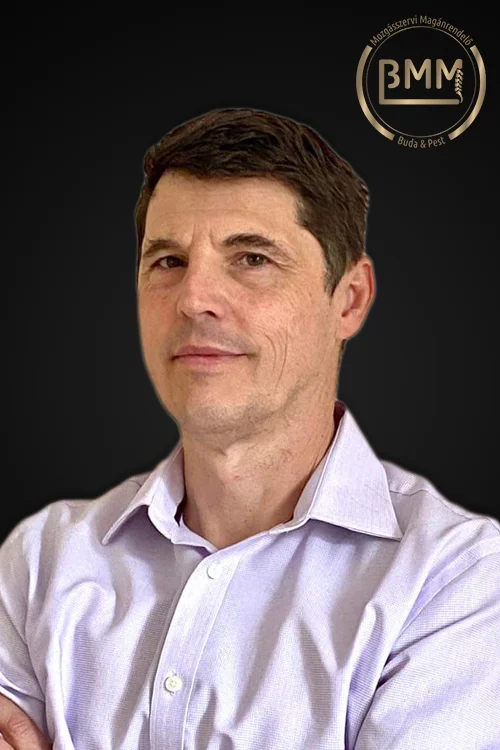
Dr. Attila Pataki
Orthopaedic traumatologist

Dr. Flórián Szeles
Rheumatologist general practitioner
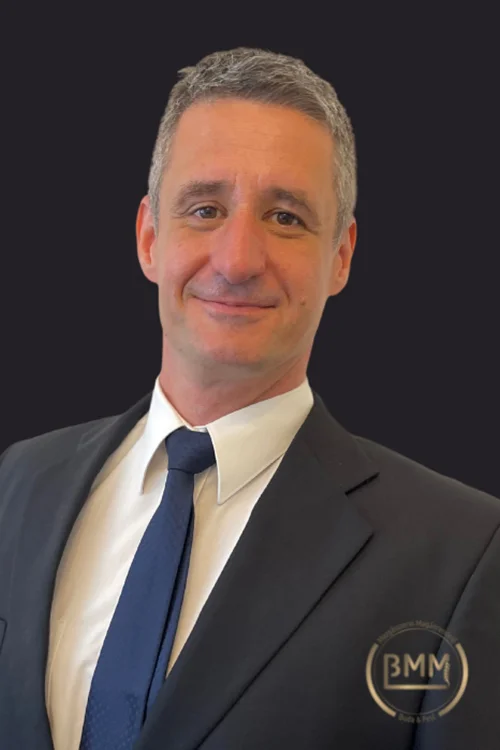
Dr. Balázs Török
Assistant Professor of Orthopaedic Traumatology
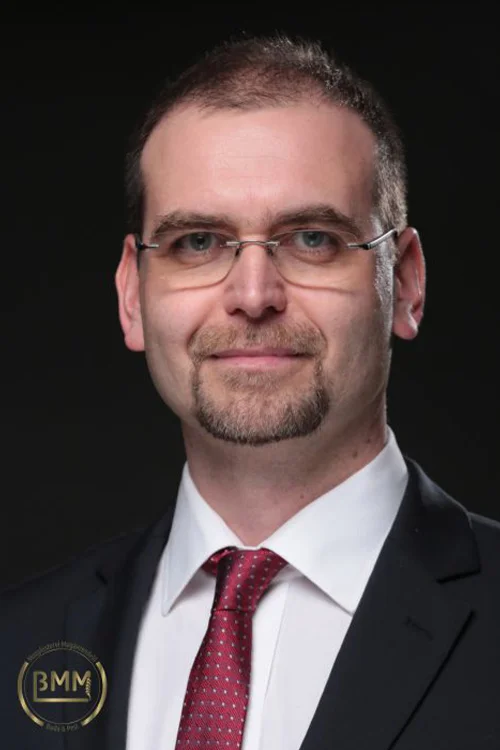
Dr. Bence Moravcsik
Orthopaedic traumatologist