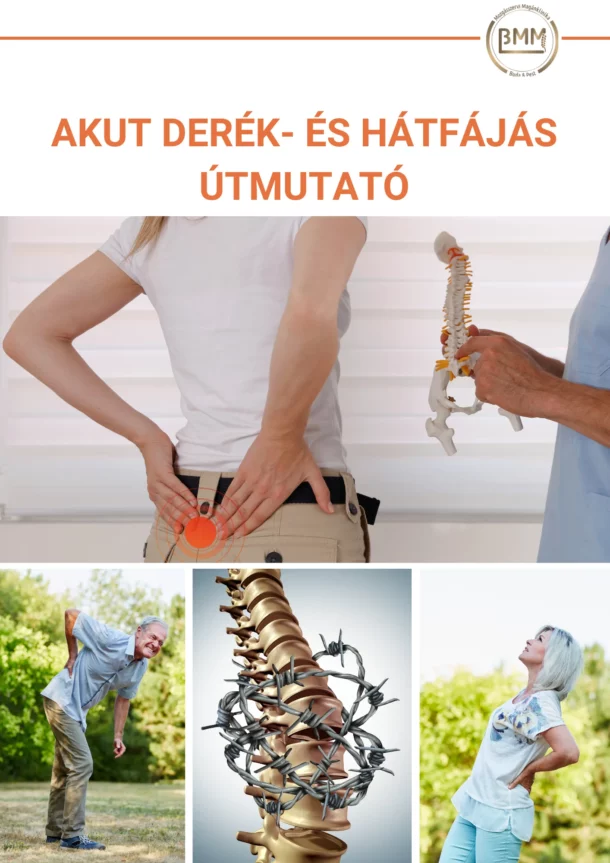
Hernia of the cervical spine


Herniated disc
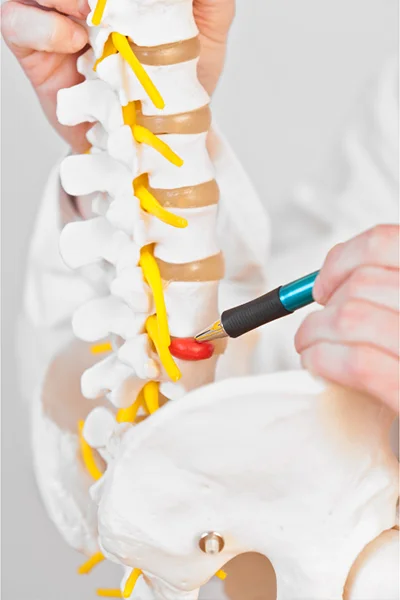
The vertebral column is made up of vertebrae, between which the so-called intervertebral discs provide the flexible connection. The discs are made up of two parts: an outer circular fibrous ring, and an inner jelly-like core. The intervertebral discs are the “shock absorbers” of our spine, ensuring the mobility and flexibility of the spinal column.
In a herniated disc, the outer fibrous ring of the disc ruptures and the nucleus pulposus protrudes through it. This is called disc herniation, or disc herniation. Because of the protrusion, the nerve roots exiting the spinal cord can come under pressure, can become pinched and inflamed, and even damaged. Damage to the nerve fibres can lead to long-term disability, even paralysis. Without proper treatment and attention, a prolapsed disc can tear and cause severe pain and further nerve damage, resulting in reduced mobility.
Dr. Dóra Mihola
Rheumatologist specialist
Development of
The development of disc herniation is rarely related to injury or trauma. Most cases develop slowly, gradually, over years this degeneration. The fibrous rings of the discs are elastic due to their high water content. However, the water content of the discs steadily decreases after the age of 20-25 years, so the discs dehydrate and start to wear. As the water content of the disc decreases, the gelatinous inner part behind the fibrous outer part of the disc is pushed forward by pressure, which can put pressure on or damage the nerve root exiting the spinal cord.
The slow wear and tear process is also greatly influenced by various lifestyle factors, as well as sudden injuries and traumas. Office workers, people with sedentary lifestyles, people with heavy physical work and athletes are also particularly at risk. Scoliosis and other spinal diseases are an additional predisposing risk.
Symptoms
The main symptom of disc herniation is spinal pain, which is associated with additional neurological symptoms: numbness, shooting pains, pins and needles, loss of sensation, possibly incontinence or bowel movements. Symptoms are greatly influenced by the location of the hernia.
Lumbar disc herniation
The most common type is lumbar disc herniation, in which case the sciatic nerve is affected. The main symptom of lumbar disc herniation is isias. In such cases, severe pain in the lower back is accompanied by numbness and a sensation of pain radiating down the legs. Lumbar disc herniation is one of the most common causes of sciatica.
Cervical disc herniation
The cervical disc herniation is also a common pathology. In such cases pain and numbness radiate to the shoulders and arms, but can also cause headaches, loss of balance or even tinnitus. The pain in the neck is also of the sharp, sudden type that increases with sudden movement.
Rarely, a herniated disc in the middle back develops. In this area, the ribs provide more support, so the vertebrae and discs in this area are under less strain.
If you have the following symptoms of disc herniation, you should see an orthopaedic, rheumatology or neurology specialist as soon as possible for an examination:
- pain radiating from the spinal cord to the limb
- limb numbness
- emotional disturbance, loss of sensation
- muscle weakness
- an ant-like or pins-and-needles feeling in the limbs
- limb paralysis (even temporary!)
- incontinence, constipation.
Typically, the pain can be triggered by body position or movement, for example, the pain is increased by coughing, sneezing, medical examination techniques.
What is the difference between herniated disc and herniated disc?
A herniated disc is also known as a herniated disc. There is no difference in meaning between the two terms.

Dr Maysam Moghaddam Amin
Orthopaedic-traumatologist specialist, robotic surgeon
Diagnosis of disc herniation
The diagnosis of a herniated disc is made by an orthopaedic specialist. At the Budapest Musculoskeletal Private Clinic, we have developed a special patient journey protocol to ensure thorough examination and effective, targeted therapies.
Our mission is to help our patients regain their freedom of movement as soon as possible, and to permanently and long term relief from painful complaints.
Building blocks for a successful investigation based on the BMM patient journey protocol:
- The medical history already half a diagnosis, with detailed questioning many diseases can be ruled out.
- A thorough physical examination by a specialist. Based on the physical examination, a specialist will determine the need for any diagnostic imaging tests. Diagnostic imaging tests can help to visualise and measure anatomical structural changes and reveal the true cause of the complaint.
- Bony lesions can be confirmed by X-ray. This is often necessary for isolating diagnostic purposes.
- The condition of the soft tissues, discs, articular cartilage, muscles and tendons is accurately assessed by the radiograph.
- In the case of a herniated disc, an MRI (magnetic resonance imaging) scan is often needed to make an accurate diagnosis.
- In the case of nerve involvement, neurophysiological testing, ENG or EMG is recommended to determine the extent of suspected nerve damage.
Neuroconductive neurophysiological examinations (ENG/EMG) are available at BMM's clinics in Pest and Óbuda. The necessary X-ray, ultrasound, CT and MRI examinations are provided by our partner institutions at an external location for an additional fee.
- Based on the medical history, physical examination and imaging diagnostics, the orthopaedic specialist makes an accurate diagnosis.
- A personalised treatment plan is drawn up. We accompany our patients all the way to recovery!
Treatment of disc herniation
The treatment of a herniated disc depends on the extent and location of the hernia and the quality of the symptoms caused. In each case, a specialist will decide on the appropriate therapy after a thorough examination.
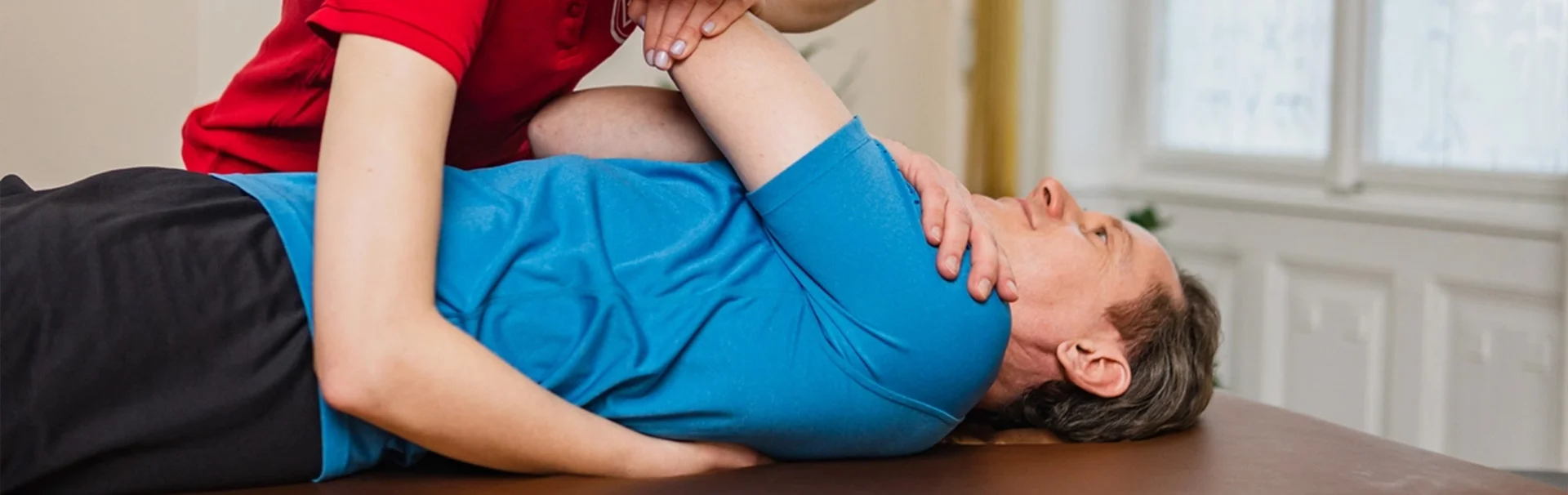
Herniated disc in most cases conservative therapy well manageable. Conservative treatment an orthopaedic, neurologist or rheumatologist is led by. Acute pain relief and inflammation reduction usually done with medication, this can be topical by injection, oral or patch; steroid or non-steroidal. Spinal decompression is also essential in the acute phase, but long-term strict bed rest is not recommended. Nerve mobilisation is recommended to release the pressurised nerve. Once the acute pain has subsided long-term conservative therapy needed. For this the main element is physiotherapy, which needs to be tailored to the individual. McKenzie spinal exercises, nerve mobilisation training, manual therapy disc herniation is highly treatable, even achieving complete freedom from symptoms. In addition to physiotherapy, it is recommended to complementary physiotherapy treatments (ultrasound, TENS safe laser), medical massage, and balneotherapy treatments.
In severe cases, for a herniated disc surgical intervention justified. To assess this neurosurgery consultation and examination required. Disc herniation surgery is performed by a specialist neurosurgeon. Post-operative rehabilitation and lifestyle are also a key part of the for physiotherapy van.
The key to success is doctor-patient cooperation and trust!
Avoiding disc herniation surgery
The surgical intervention for disc herniation can also be avoided with regular, professional physiotherapy. By performing individual, tailored and targeted exercises, the deep muscles of the spine are strengthened, reducing the load on the discs. Physical exercise should be complemented by medical massage, physiotherapy (ultrasound, TENS, safe laser treatment), possibly with balneotherapy. In addition to therapy, lifestyle also plays a big role in avoiding surgery. In the case of overweight, weight loss is recommended, as well as avoiding smoking and alcohol, following a healthy diet and drinking plenty of fluids.
The indication for surgery is always neurosurgeon specialist decide.
Causes of disc herniation
Most disc herniation is caused by a degenerative process, but there are factors that may increase the risk of developing a herniated disc:
- Sedentary lifestyle
- Sedentary work, incorrect sitting, poor posture
- Heavy physical work, poor lifting technique
- Serious sports activity without strengthening the deep back muscles
- Scoliosis
- Bekhterev's disease
- Other spinal diseases
The importance of prevention
The development of disc herniation can often be prevented by lifestyle changes. For known spinal conditions, it is highly recommended to visit a physiotherapist and targeted exercises to learn the to strengthen deep back muscles. In addition, the correct posture, sitting position and lifting technique learning and daily use is recommended.
The regular back massage also has a beneficial effect on the condition of the back muscles, thus reducing the strain on the spine.
A healthy lifestyle, adequate fluid intake and a diet rich in vitamins and minerals maintain healthy bones, discs, joints and muscles for a long time. Recommended minerals and vitamins.
In addition, it is recommended to regular exercise, sports such as swimming, running, walking.

Common complaints treated by specialists at the Spine Centre
- back pain
- back pain
- scoliosis
- nerve pinching
- back pain
- neck pain
- stiff neck - neck stiffness
- osteoporosis
- back pain
- spinal stenosis
- back pain
- pain in the lumbar spine
- pain in the buttocks
- neglect
- sacral pain
- shoulder blade pain
- morning backache
- pain in the back of the neck
Our spine specialists
Dr. Gréta Sterba
Rheumatologist specialist
Dr. Bence Moravcsik
Orthopaedic traumatologist

Dr. Flórián Szeles
Rheumatologist general practitioner
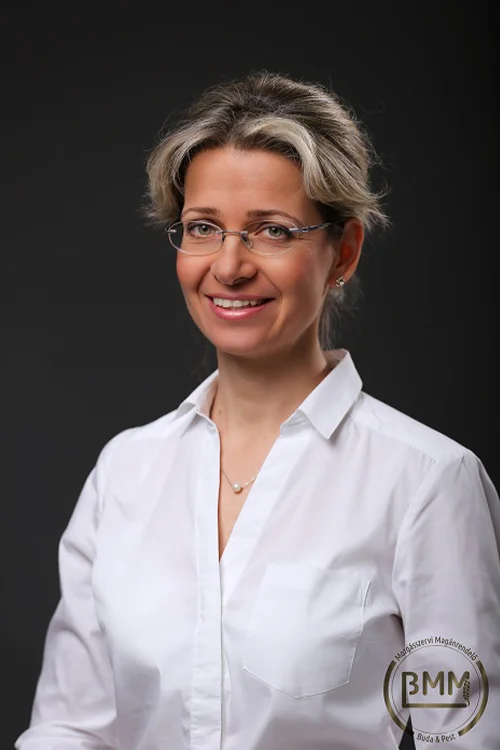
Dr. Éva Bordán
Rheumatologist general practitioner