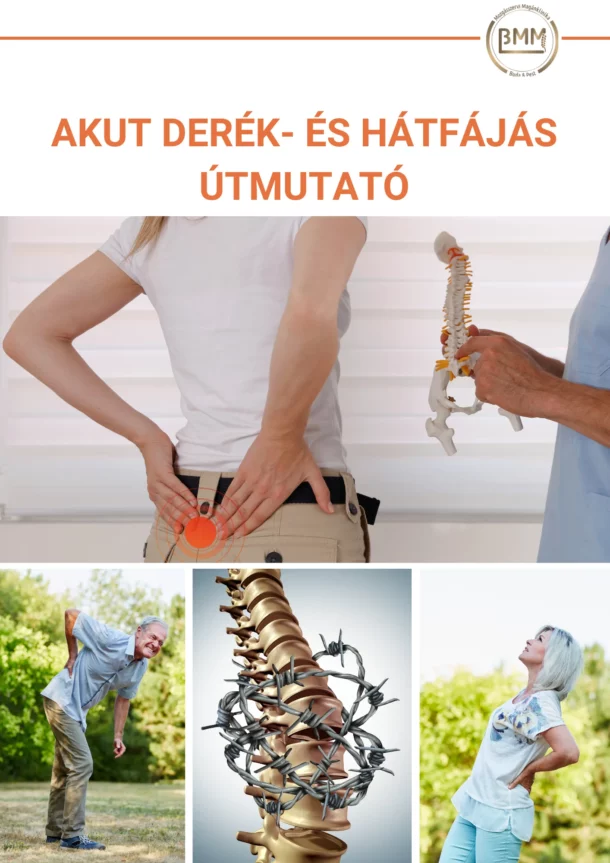
Scoliosis


What is scoliosis and how can we recognise it?
Scoliosis (Latin: scoliosis) lateral curvature of the spine associated with torsion. The person concerned mobility of the vertebrae Mostly significantly reduced, so much so that active straightening of the vertebral column may no longer be possible. The lateral curvature is most often associated with a twisting of the vertebrae, resulting in a so-called rib hump, in the lumbar region a muscle hump is formed. Symptoms are easy to recognise and can be detected by a simple medical examination.
Scoliosis is one of the most common spinal problems today, which is why it is particularly important to draw attention to the importance of screening in children!
The problem may have neuromuscular causes, psychological in origin, can also be caused by a sedentary lifestyle, but in most cases they are unclear. Managing the most important element is early detection, so it is already recommended at school age paediatric orthopaedic screening to be carried out. A specialist examination can easily identify the problem and detect the predisposition even before it develops. Conservative therapy is recommended to treat: for curvatures of less than 20 degrees, the physiotherapy, and above this wearing a corset is also necessary. Excessive, extreme lesions, however, can only be treated by surgery.
Can scoliosis be prevented?
Scoliosis is easily preventable, so it's worth looking out for it from an early age. However, it is also common in adults and can cause everyday complaints. The spine's ability to bear weight is reduced, leading to back and lower back pain, which can even lead to reduced mobility.
Protecting and maintaining the spine is therefore crucial to maintaining pain-free mobility. In the event of pain, stiffness, visible asymmetry, and other complaints, you should orthopaedic examination is recommended, as the sooner the symptoms are diagnosed, the easier it is to treat them.
Investigation: orthopaedic specialist, paediatric orthopaedic specialist
Therapy: orthopaedic specialist, paediatric orthopaedic specialist, physiotherapist-physiotherapist
Specialists at the BMM
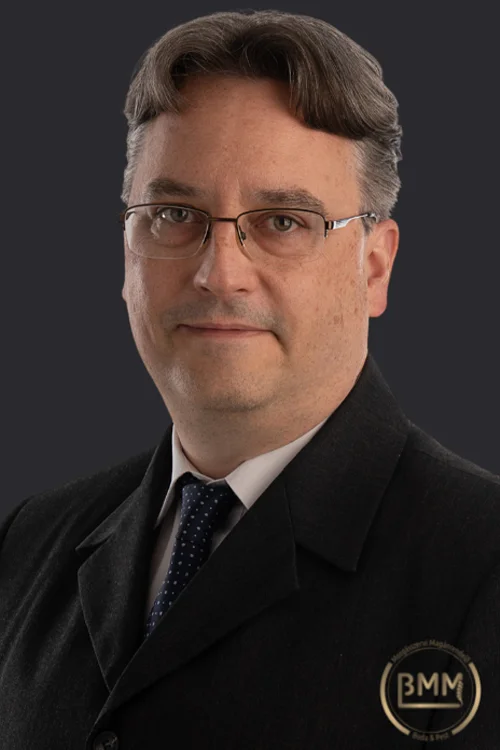
Dr. Gergely Holnapy PhD
Orthopaedic traumatologist, assistant professor, robotic surgeon
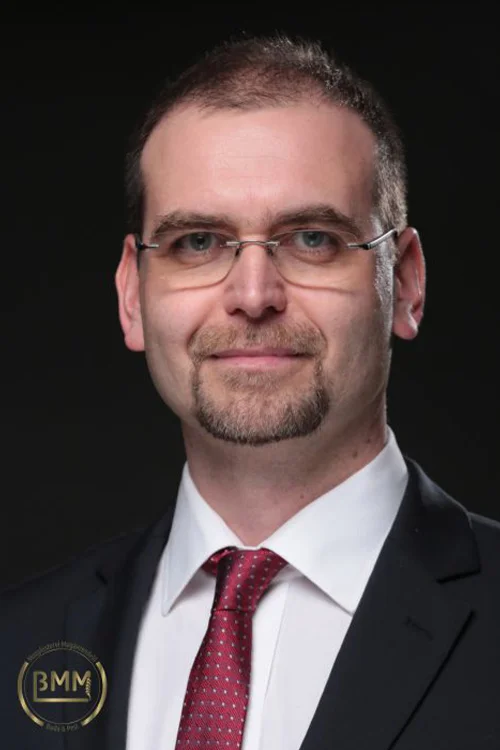
Dr. Bence Moravcsik
Orthopaedic traumatologist