Frozen shoulder syndrome


-
Does your shoulder hurt? Do you find it impossible to arm-wrestle, or even have difficulty lifting your arm? Does it make it difficult to work, wash your hair or get dressed? You may also have adheasive capsulitis, a chronic inflammatory condition of the shoulder and surrounding soft tissues. The lesion is associated with thickening of the connective tissues around the shoulder, which can become stiff and up to 2 cm thick instead of the normal 3-4 mm. The experienced orthopaedic specialists at the Budapest Musculoskeletal Private Clinic offer state-of-the-art therapies at three locations in Budapest for patients with musculoskeletal complaints.
It is not worth delaying a medical examination. Frozen shoulder syndrome usually heals slowly. Personalised therapy, started as soon as possible, can quickly and effectively relieve or eliminate even the most severe pain.
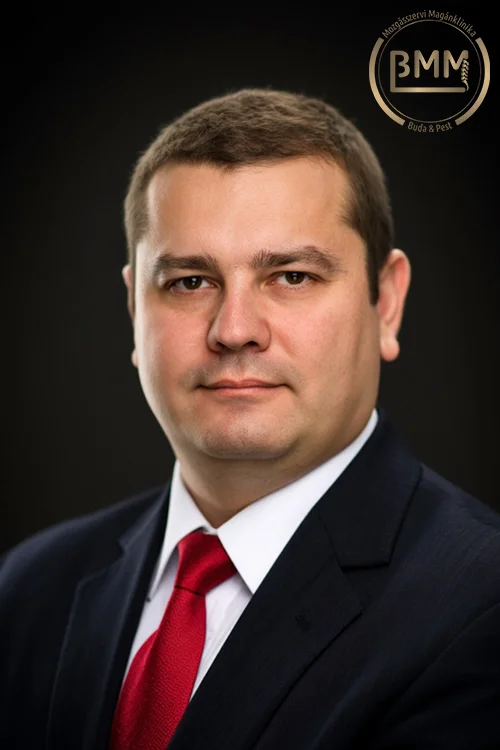
Dr. Balázs Gloviczki PhD
Orthopaedic-traumatologist, shoulder specialist
Online appointment booking for Budafoki út:
Please select the appropriate service
Control fee: HUF 35 000, for 3 months after the initial examination, for the same complaint.
- 1. Select the service you need from the drop-down box!
- 2. Use the calendar to choose a date that suits you!
- 3. Enter your details to register or login with your previous registration!
- 4. If you would like to make a reservation on behalf of someone else (e.g. your child), please let us know at the location provided.
- 5. Briefly describe your complaints!
- 6. Select the type of consultation: initial examination, control examination or prescription.
- 7. Click on the button to book your appointment. Thank you for choosing BMM!
If you are unable to make the appointment you have already booked, please, at least 24 hours before notify us of your intention to withdraw. This gives other patients the opportunity to get the medical care they need in time. Thank you for your cooperation and understanding!
Resignation: +36 1 44 33 433
If you cannot find an available appointment for your chosen week, please call our call center on +36 1 44 33 433 for assistance. Our staff will be happy to help you make an appointment with the doctor of your choice or another specialist according to your complaint.

What are the different types of frozen shoulder?
Frozen shoulder syndrome typically develops slowly and can be divided into the following three phases:
- Freezing:
It is a process that takes about 4 to 6 months and can cause severe shoulder pain, which can even make it difficult to work. Over time, the joint stiffens and its mobility becomes limited. - Frozen phase:
At this stage, the shoulder pain is reduced, but the range of motion of the joint remains restricted. This phase typically lasts for about 1 year from the first symptoms of frozen shoulder syndrome. - Thawing phase:
A long stage, lasting about 1 year, during which joint mobility is slowly restored (sometimes to a slightly reduced level compared to before) and pain is eliminated.
What causes frozen shoulder syndrome?
In many cases, the onset of frozen shoulder syndrome cannot be linked to any known cause. However, the following factors may contribute to the development of the condition:
- Previous injuries, operations and diseases of the shoulder
- Overcrowding
- Sedentary lifestyle
- Long-term fixation of the shoulder joint, which reduces the range of motion
- Diabetes predisposes you to frozen shoulder syndrome, which occurs at multiple rates in diabetics
- The lesion is also more common in women aged 40 to 50 and in people with thyroid problems
What are the symptoms of frozen shoulder?
The leading symptom in the initial, freezing phase of the disease is shoulder pain, typically in the front, outer area of the shoulder. In addition, reduced range of motion is a common complaint. The joint becomes increasingly tight and stiff, hence the name of the disease. The pain is accompanied by limited mobility over time. The patient finds it difficult even to lift his arm, so dressing, brushing his teeth and hair becomes a problem. Over time, the pain is felt not only when moving but also when resting. The severe pain associated with frozen shoulder syndrome also makes it difficult to sleep at night, especially if you like to sleep on your side. In the later stages of the disease, the pain is relieved, but the difficulty of movement persists for a long time.
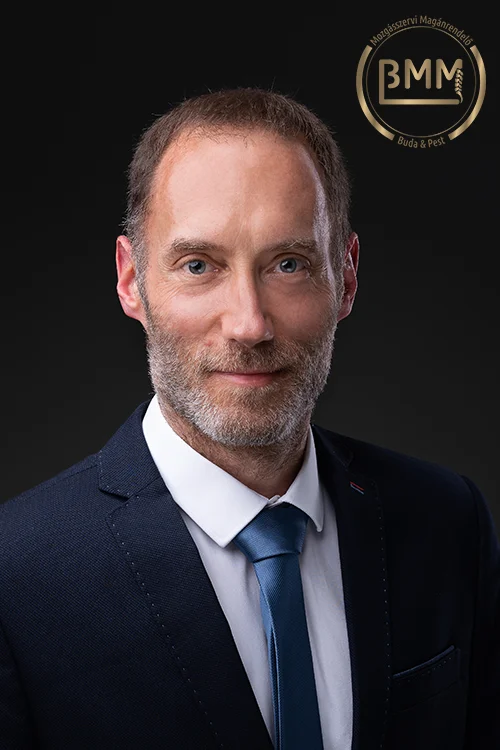
Dr. Bálint Major
Company Specialist
Orthopaedic traumatologist
ONLINE APPOINTMENT BOOKING – BOKOR STREET CLINIC
Please select the appropriate service
Control fee: HUF 35 000, for 3 months after the initial examination, for the same complaint.
- 1. Select the service you need from the drop-down box!
- 2. Use the calendar to choose a date that suits you!
- 3. Enter your details to register or login with your previous registration!
- 4. If you would like to make a reservation on behalf of someone else (e.g. your child), please let us know at the location provided.
- 5. Briefly describe your complaints!
- 6. Select the type of consultation: initial examination, control examination or prescription.
- 7. Click on the button to book your appointment. Thank you for choosing BMM!
If you are unable to make the appointment you have already booked, please, at least 24 hours before notify us of your intention to withdraw. This gives other patients the opportunity to get the medical care they need in time. Thank you for your cooperation and understanding!
Resignation: +36 1 44 33 433
If you cannot find an available appointment for your chosen week, please call our call center on +36 1 44 33 433 for assistance. Our staff will be happy to help you make an appointment with the doctor of your choice or another specialist according to your complaint.
How is frozen shoulder diagnosed?
If you are experiencing shoulder pain, please call us on +36 (1) 44-33-433 to make an appointment for an orthopaedic consultation. We will make an appointment as soon as possible. And in an emergency, if you are in severe pain, we will arrange to have your joint complaint seen by a musculoskeletal specialist within 19 hours.
There's no need to be afraid of an examination, our highly experienced, empathetic orthopaedic doctors in private practice can quickly and accurately diagnose the cause of your symptoms, so that personalised therapy can begin quickly.
In the study, the orthopaedic specialist will first ask you about your current symptoms and other current and past complaints. He will then perform a physical examination to check the functions and abnormalities of the shoulder joint. A diagnosis of frozen shoulder syndrome can usually be made on this basis, but in some cases the doctor may order an X-ray or MRI scan to rule out certain injuries and assess the extent of inflammation. Once the diagnosis has been made, the doctor will recommend a personalised treatment plan to put you on the road to recovery.
How can frozen shoulder syndrome be treated?
Frozen shoulder syndrome usually requires conservative treatment, focusing on pain relief and increasing range of motion. Pain relief pills and injections help to reduce pain quickly and effectively.
Physiotherapy also has a very good pain-relieving effect, as well as increasing joint mobility and strengthening the muscles. Physiotherapy is always adapted to the patient's current condition, under the guidance and supervision of a physiotherapist. For shoulder pain, resting the arm seems obvious, but it is not always the right solution. It's easy to get caught in a vicious circle: too much rest can reduce arm mobility and cause muscles to flatten, which can lead to further pain. And more pain makes the patient even more sparing of the arm. A physiotherapist can tell you exactly how much and what kind of movement is beneficial for recovery.
Our private practice also offers the very effective shockwave therapy, which provides fast relief from shoulder pain. Shockwave therapy is an electrotherapeutic method that usually results in a large and lasting improvement in 80% cases in as little as 3-4 weeks! This can be achieved with one short treatment per week. Its mechanism of action is based on the penetration of energy into the body in the form of waves. This improves blood circulation locally and triggers the healing process.
In rare cases, frozen shoulder syndrome may require surgery to restore mobility more quickly. The aim of the operation is to release the bound, accumulated connective tissue around the shoulder joint, which reduces pain and improves joint mobility.

How can frozen shoulder be prevented?
There is no 100% method for preventing frozen shoulder syndrome, but it is worth bearing the following in mind:
- In the case of shoulder injury, it is also recommended to seek medical advice for milder symptoms, as untreated joint problems can easily lead to frozen shoulder syndrome.
- The shoulder surgery always follow rehabilitation, failure to do so can lead to the onset of the disease.
- Optimal shoulder movement is important. Overuse should be avoided, but a sedentary lifestyle is not good either. The shoulder is subject to a lot of stress in everyday life, and strenuous physical work and excessive exercise can be particularly damaging. Lifting heavy objects abruptly is also not beneficial. However, regular, light exercise (such as yoga or swimming) is highly recommended.
- For sedentary work, it is recommended to stand up every hour and do lunges.
Does physiotherapy help treat frozen shoulder syndrome?
Absolutely yes. The recovery time for frozen shoulder syndrome can be 1.5-2 years. If the patient avoids certain movements for this length of time, the muscles can become flattened and the range of motion of the joint is significantly reduced. Thus, even after the thawing phase of a frozen shoulder, the shoulder may still have reduced mobility. Physical therapy all of this can be avoided, and if physiotherapy is started as soon as painful symptoms appear, a large reduction in range of motion can be avoided. The physiotherapist can also help with lifestyle advice, such as showing you how to adopt different postures to relieve pain.
In a small percentage of cases, frozen shoulder syndrome cannot be treated with conservative therapy. Physiotherapy also plays an important role in post-operative rehabilitation, helping to fully restore the original function of the shoulder joint and preventing the patient from developing a frozen shoulder in the future.

What are the options for moving a frozen shoulder?
There are many exercises that can be used to move a frozen shoulder. One way to gently move the shoulder joint is to hold on to something with your healthy hand and then very slowly lean forward, bringing your head towards your knee and leaving your arm hanging. Then slowly rise up.
It is important to emphasise that exercise under the guidance of a physiotherapist is the most effective and safest, as the physiotherapist selects the exercises that are beneficial for the patient based on an assessment of their condition.
Can a frozen shoulder be cured with a therapeutic massage?
An effective treatment for frozen shoulder syndrome is medical massage, because it relieves muscle stiffness, reduces pain and increases blood circulation. All this effectively aids the healing process.
The most common shoulder conditions treated by our specialists:
Our specialist specialist
Dr. Bálint Major
Senior Specialist Orthopaedic-traumatologist
Dr. Balázs Gloviczki PhD
Orthopaedic-traumatologist, shoulder specialist
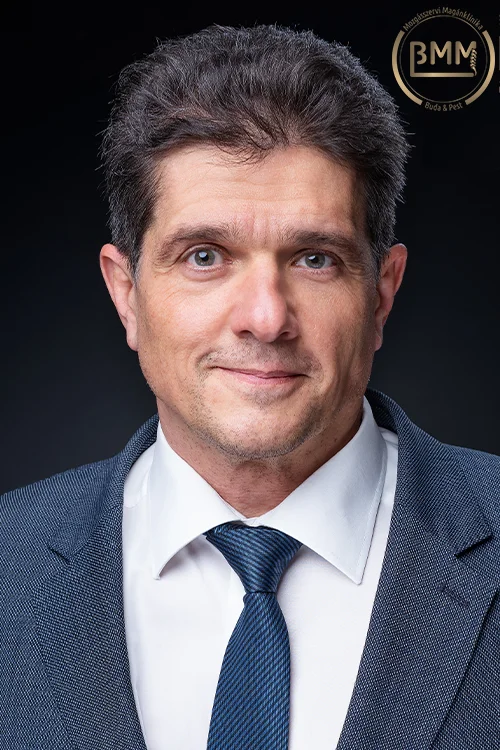
Dr. György Kocsis PhD
Orthopaedic trauma surgeon and hand surgeon, assistant professor, specialist in wrist, elbow and shoulder surgery, upper limb specialist