
What to do if you lose muscle?
Author Dr. Gréta Sterba | 2025.03.04.


BMM's specialist rheumatologist, Dr. Gréta Sterba Sterba, gave a professional interview on the common rheumatological disease sarcopenia in the Family Circle programme.
What is muscle loss?
Dr. Gréta Sterba, a specialist rheumatologist at BMM, often encounters symptoms of so-called muscle loss in his practice. From muscle loss (also called muscle mass loss) means that the body's muscle mass is gradually or suddenly reduced. It can occur naturally with age, i.e. everyone goes through it up to a certain point, or it can be the result of illness, inactivity or other health problems.
The breakdown of muscle tissue not only leads to a loss of strength and mobility, but can also cause more serious health problems, such as loss of balance, increased risk of fractures or loss of independence in daily activities.
Learn more about sarcopenia
Sarcopenia is an age-related loss of muscle mass and strength that especially the older age group concerns. This condition develops gradually and can affect mobility, balance and independence. If you experience weakness, loss of balance or reduced muscle strength, you may want to ask for a medical check-up.

How can we prevent sarcopenia?
„We need to build muscle, and we need to build muscle in different ways.”
The key to prevention is an active lifestyle and a good diet:
- Regular physical activity - Strength training (e.g. weight training, squats, press-ups, indoor cycling) at least 2-3 times a week will help to maintain muscle mass.
- A balanced diet - Eat enough protein and healthy fats and avoid excessive sugar intake.
- Vitamin D and calcium supplementation - These minerals help to maintain healthy muscles and bones.
The key to prevention is to introduce and maintain long-term lifestyle changes. This is how we can maintain independent movement and daily activities into old age.
Who does sarcopenia affect?
Sarcopenia mainly affects the older age group, but not exclusively. The following groups are particularly at risk:
- Seniors - After the age of 60, the natural loss of muscle mass accelerates and if not combined with adequate physical activity, sarcopenia can easily develop.
- People with a sedentary lifestyle - People who move little or are bedridden for long periods (e.g. because of injury or illness) are more likely to experience muscle loss.
- Chronic patients - People with diabetes, kidney disease, heart disease, chronic inflammatory diseases, cancer and autoimmune conditions are at increased risk of muscle loss.
- Underweight people - Insufficient protein intake and low calorie intake accelerate muscle atrophy.
- Persons under persistent stress - High cortisol levels can have a muscle-destroying effect.
“I could demonstrate this,” explains the rheumatologist, "by saying that the loss of muscle mass starts around the age of 50, but it's not yet spectacular. Gradually, we lose one and a half percent of our muscle every year. This accelerates as we get older, doubling by the age of 70."
What are the symptoms of muscle loss?
The symptoms of sarcopenia, or age-related muscle loss, develop gradually and often cause only mild symptoms at first. The most common symptoms are:
- Loss of muscle strength - People feel weaker, find it harder to lift objects or carry out everyday tasks.
- Impairment of motor coordination - Walking may become unsteady, with more frequent trips and falls.
- Loss of balance and falls - Muscle weakness and instability increase the risk of falls, which can lead to serious injuries such as bone fractures.
- Decrease in physical activity - People are moving less and less because they get tired more quickly and find it difficult to move.
- Visible loss of muscle mass - Muscle volume may be reduced and limbs may become thinner.
- Increased fatigue - The loss of muscle means that the body uses energy less efficiently, resulting in faster fatigue.
Symptoms can gradually get worse if proper intervention is not taken.
How can we help the symptoms of muscle loss?
Although muscle loss is a natural process, with the right lifestyle and treatment it can be significantly slowed and, in some cases, reversed. The following methods can help:
- Regular physical activity - Muscle-strengthening exercises such as weight training, bodyweight exercises or resistance training can help to maintain and rebuild muscle.
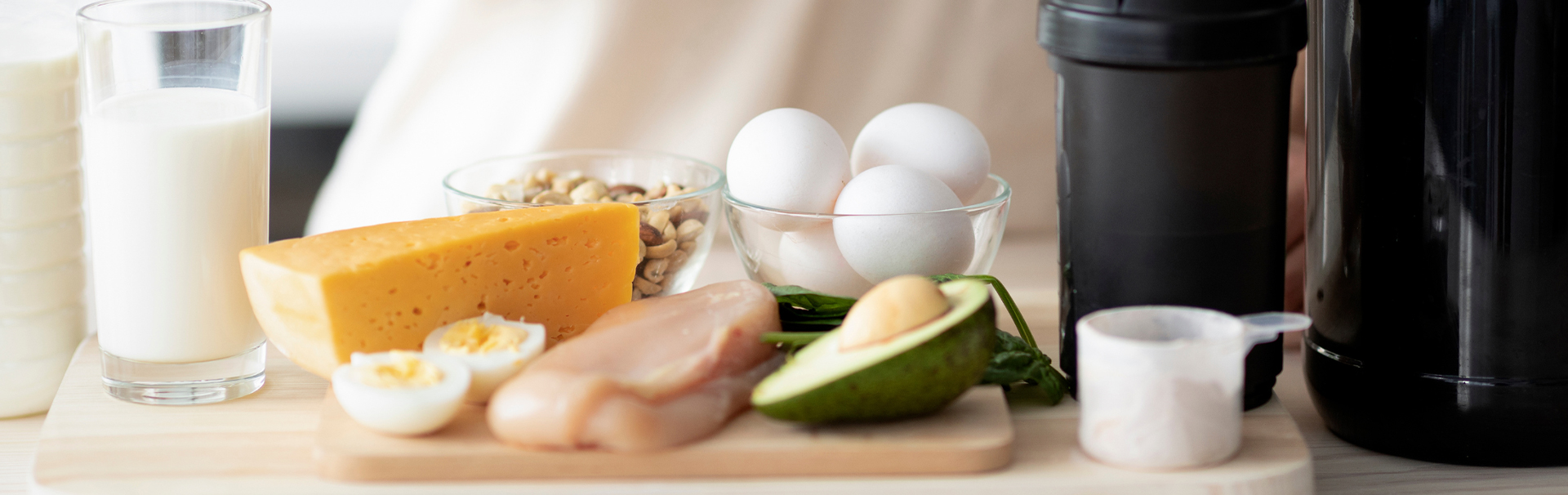
- Adequate protein intake - In your daily diet, you should eat foods high in protein (meat, fish, eggs, dairy products, pulses).
- Supplementing vitamin D and other nutrients - Vitamin D, magnesium and B vitamins can help support muscle function.
- Physiotherapy - In some cases, specialist-led physiotherapy can help to regain muscle strength and improve mobility.
- Medication - In severe cases, hormone replacement therapy or other drug treatments may be considered to preserve muscle mass.
- Amino acid consumption
How do essential amino acids help during muscle loss?
Essential amino acids play a key role in muscle building and maintenance. Since our bodies cannot produce these amino acids on their own, they must be taken in the form of nutrition or supplements.
What are essential amino acids?
Amino acids are the building blocks of proteins that are needed for the maintenance and regeneration of muscles, tissues and cells. There are 20 different amino acids for the human body, of which 9 essential, which means that we need to provide them with food. Among them are the leucine, isoleucine and valine make up BCAAs (branched-chain amino acids), which are particularly important in stimulating muscle protein synthesis and reducing muscle breakdown.
How to get essential amino acids in?
1. With natural foods
The best sources of essential amino acids are proteins of animal origin because they are complete proteins, i.e. they contain all the essential amino acids.
Best resources:
- Meats: chicken, beef, pork, turkey
- Fish and seafood: salmon, tuna, crab
- Dairy products: cheese, cottage cheese, yoghurt
- Eggs
- They are thin: lentils, beans, chickpeas
- Quinoa and soy - plant-based, complete protein sources
2. With nutritional supplements
If someone cannot get enough protein in their diet (for example, vegetarians or elderly people), essential amino acid supplements (EAAs) or BCAAs (branched-chain amino acids) can be useful for muscle maintenance and recovery.
When should they be consumed?
- On an empty stomach - for rapid absorption
- Before or after training - to support muscle building and regeneration
- In older age, on a daily basis - to prevent sarcopenia
Essential amino acids play a vital role in the fight against muscle loss. They help stimulate muscle protein synthesis, reduce muscle breakdown, speed up recovery, improve physical performance and support metabolism.
Preventing muscle loss is important, and you can help slow the process with the help of an experienced a specialist rheumatologist, who will assess your individual conditions and recommend the most appropriate treatment.