Rotator cuff tears: know your shoulder muscles, rotator cuff diseases
Author Dr. Bálint Major | 2023.08.29.


The complexity of our bodies and the special work they do in our everyday activities is most often only apparent when a problem or illness strikes. This is also the case with the shoulder.
A healthy shoulder joint allows the arm to move freely. It's the health of our shoulders that allows us to do simple tasks like drinking a glass of water or getting dressed without worry.
What happens if you suddenly start to have shoulder pain, the pain doesn't go away overnight and you can't lift your arm beyond a certain point?
What if the shoulder muscles become inflamed or a rotator cuff tear occurs?
The topic Dr. Bálint Major with the help of a shoulder surgeon.
What is a rotator cuff?
Shoulder pain and limited mobility are most often caused by inflammation of the rotator cuff or other injury or disease.
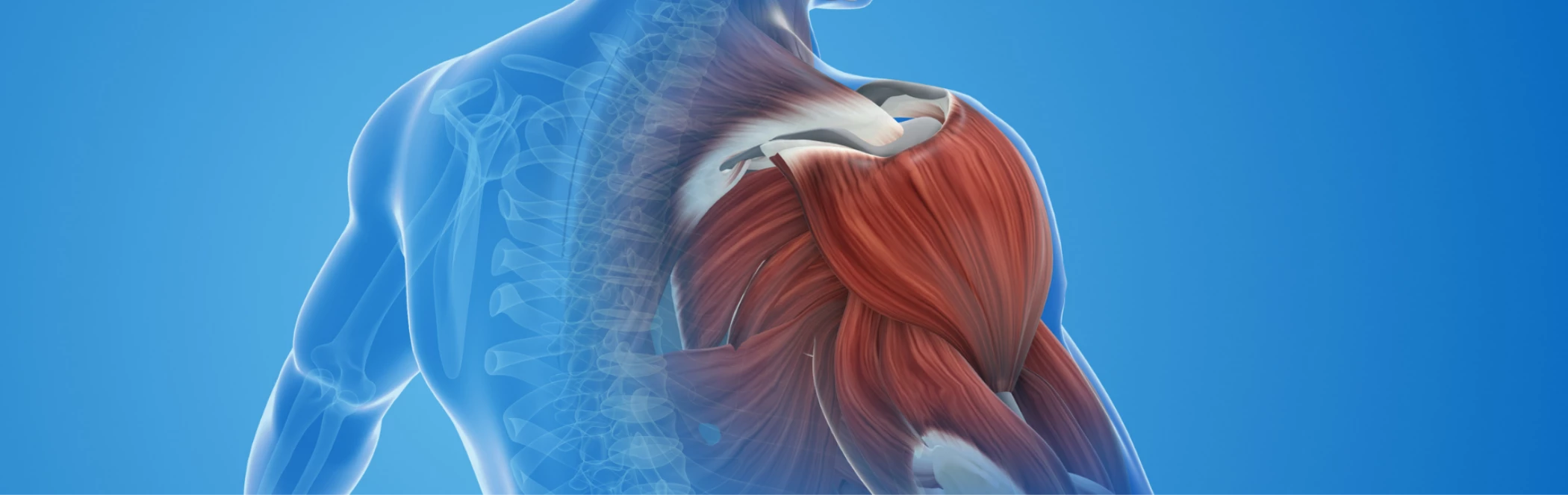
The rotator cuff is a group of muscles and ligaments in the shoulder joint. The rotator cuff (which is made up of 4 muscles) surrounds the bones of the shoulder, playing an important role in the stability and movement of the shoulder. These muscles and ligaments help to attach the humerus to the shoulder blade, allowing the arm to rotate and lift.
What are the types of rotator cuff injury?
The complexity and high stress of the rotator cuff also means that it can suffer a variety of injuries. These injuries can vary in nature, severity and treatment options.
Rotator cuff inflammation (tendinitis)
This is the most common injury, which involves inflammation of the ligaments in the rotator cuff. It is mainly caused by activities that require repetitive shoulder movements. Inflammation is usually associated with pain, swelling and limited mobility.
Rotator cuff impingement
The ligaments of the rotator cuff can become trapped between the shoulder blade and the humerus, causing irritation and inflammation. Symptoms of impingement can be similar to inflammation, but are usually more severe and worsen when the arm is raised, and can disturb your sleep at night.
Calcium deposition
In this case, calcium crystals accumulate in one or more ligaments of the rotator cuff. This pain and stiffness in the shoulder.
Rotator cuff tear
The rupture can be partial or full, and typically trauma or chronic overexposure occurs as a result of. A rotator cuff tear results in damage to one or more muscles or ligaments in the shoulder. A symptoms include shoulder pain, weakness of the arm and difficulty lifting, in severe cases inability to lift.
The in the prevention of rotator cuff injuries on a regular basis shoulder exercises and the right working environment design plays a key role. When working in an office, particular attention should be paid to posture. In addition, the strengthening the muscles between the shoulder blades should not be forgotten. In case of a suspected rotator cuff injury, always to a shoulder surgeon should be contacted. It is worth bearing in mind that even relatively mild but untreated rotator cuff inflammation can cause serious health problems over time. However, in many cases, a problem that is detected early is easier to treat.
What causes rotator cuff inflammation?
Rotator cuff inflammation can develop for several reasons.
The excessive, repetitive shoulder movements, such as overhead sports or physical work are common causes of inflammation. Inflammation is caused by can also be caused by tightness in the shoulder joint, which leads to compression of the muscles and ligaments of the rotator cuff. In older age, the weakening of collagen fibres and thinning may contribute to the development of inflammation.

What are the most common symptoms of rotator cuff inflammation?
A typical symptom of inflammation of the rotator cuff is shoulder pain, especially when raising the arm or when filming. A pain may get worse at night, which can lead to disturbed sleep. Other symptoms include shoulder stiffness, weakness and limited mobility is.
Diagnosis of rotator cuff tear and inflammation
To make a diagnosis the doctor will always carry out a physical examination, to determine the range of motion and strength of the shoulder. It looks for signs of pain during joint movement and damage to the rotator cuff. For an accurate diagnosis for imaging studies - for example MRI, X-rays or ultrasound - may also be needed.
Dr. Bálint Major shoulder surgeon, if he or she deems it appropriate, will also perform an ultrasound scan at the same time as the physical examination.
In the light of the results, a diagnosis is made and the doctor will then decide on a personalised treatment plan.
What causes a rotator cuff tear?
The rotator cuff tear partial or total damage to the muscles or ligaments of the mantle. Tears can result from a weakening of the rotator cuff, especially in old age. Another common cause is trauma, such as a fall, a hard blow to the arm or twisting.
Types of rotor shell rupture - partial and complete rupture
A rotator cuff tear can be partial or complete.
In a partial tear, the ligament or muscle is only partially torn, while in a complete rupture means the ligament or muscle is completely torn.
What are the treatment options for rotator cuff tears?
The type of treatment depends on the severity of the tear and the age and health of the patient. In the case of partial rotator cuff tears, conservative therapy is the main option. This includes taking painkillers and anti-inflammatories and physiotherapy.
Surgical intervention may be needed for severe ruptures, to reconstruct the muscle and restore the shoulder to health.
What should you know about rotator cuff surgery?
The surgery to repair a torn ligament or muscle. The intervention is usually is done using an arthroscopic technique, which involves a smaller incision and faster recovery than surgery with full exploration.
An arm brace must be worn after the procedure. Most often, the brace is removed 6 weeks after the operation and intensive rehabilitation can begin.

Recovery from a rotator cuff tear - why is proper rehabilitation important?
Post-operative rehabilitation is vital to restore full shoulder function. Physiotherapy, including physiotherapy physiotherapy helps strengthen shoulder muscles, improves mobility and reduces pain. Without proper rehabilitation, shoulder range of motion can become limited and the risk of further rotator cuff injuries can increase.
Surgery after a rotator cuff tear has a relatively longer recovery time. Certain types of exercise can be started 4 months after surgery, but the total recovery time is usually 6 months on average.
The rotator cuff surgery After 6 months of 100%, you can return to active sport and live a full life.
However, the importance of control cannot be overemphasised. In order to achieve a full recovery, it is important to follow the doctor's and therapist's instructions to the letter, and to attend follow-up appointments as directed by the doctor.