
Orthopaedic lesions of the foot
2018.10.20.


The leg, without the sesamoid bones, is made up of 26 bones, which are bound together by ligaments and muscles into a functional unit. The shape, positioning and fitting together of the individual bones give the foot its characteristic arched shape. Muscles, tendons and ligaments ensure the mobility and load-bearing capacity of the foot.
Overloading, injury or possible malformation of the foot can cause a deviation from normal function, upsetting the static balance. So there are many may develop orthopaedic foot deformity, which can cause painful complaints in everyday life. In case of complaints, it is recommended to consult an orthopaedic specialist as soon as possible and start the recommended therapy.
The three most common foot deformities today are the flat foot, the cam and the hammer finger.
Lúdtalp
According to the statistics foot pain 90% is caused by the so-called flatfoot. A flat foot is when the arch structure of the foot is deformed or disappears. This seemingly harmless orthopaedic condition can have a number of consequences, such as reduced stamina or gait disorders. In childhood, the disease can be easily corrected by special foot exercises, which is why screening by an orthopaedic specialist is of paramount importance.
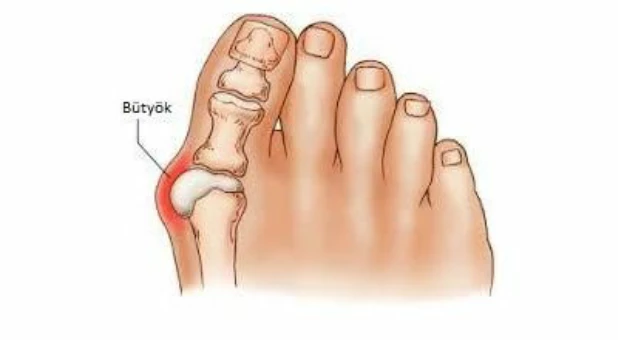
Bütyök
Another very common orthopaedic lesion on the foot with bunions. The tendency to bunions is hereditary, but other lifestyle circumstances contribute greatly, e.g. wearing uncomfortable shoes, overloading or even too weak foot muscles. However, its development can be prevented and the problem can be treated! The first step is to choose the right shoes. In addition, physiotherapy is an excellent way to strengthen the appropriate muscles in the foot, which help to restore the joints in the toes and the sole. This may not completely cure an existing bunion, but it can eliminate the daily pain! In more severe cases, an orthopaedic specialist may recommend surgery, but after this, foot exercises and orthopaedic insoles are also essential.
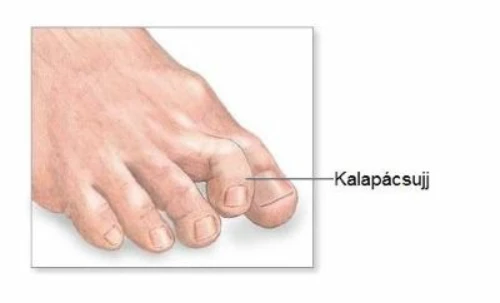
Hammer finger
The so-called hammer toe usually affects the second or third toe, but it can also develop on the fourth or fifth. The lesion is caused by an imbalance in the static balance of the foot. The flexor-tensor muscles do not work properly, causing the metatarsal to rise and the metatarsal to sink. This creates the typical hammer toe posture, which can be corrected initially with massage and foot exercises. Wearing the right shoes and a custom orthopaedic insole can also help. However, for painful complaints, a surgical solution to the problem can be found overnight.