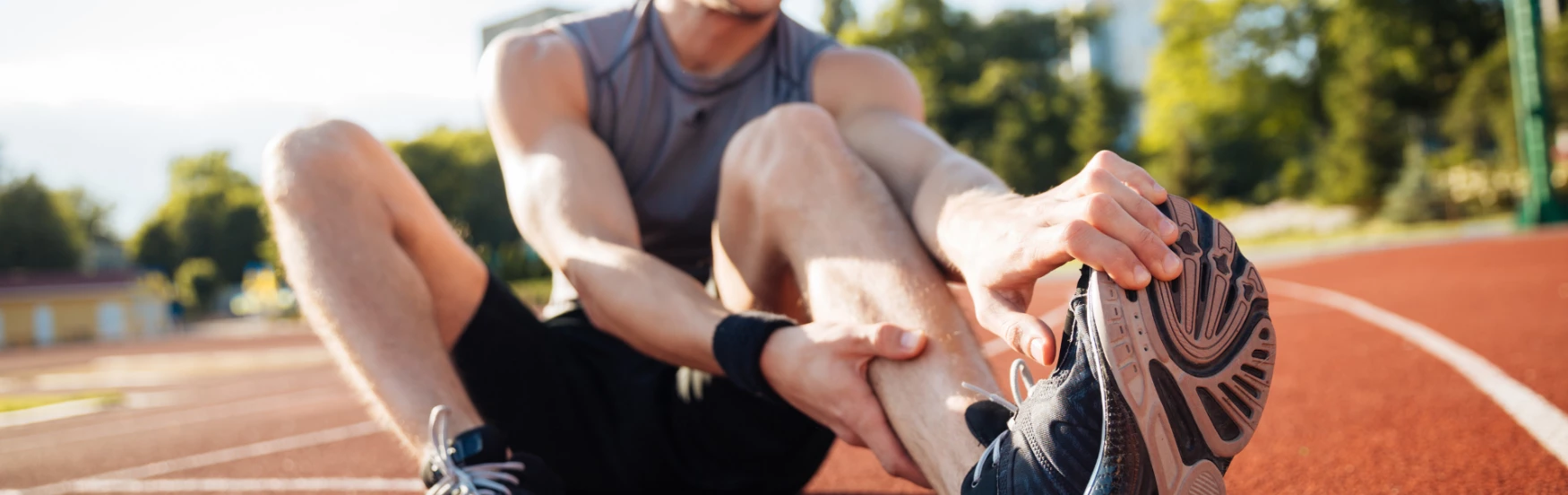
Muscle cramps - What causes muscle cramps?
Author Krisztina Tatai | 2020.05.18.


The muscle spasm
From muscle spasm can occur anywhere on the body, affect a muscle or muscle group and can take up to several minutes. There can be several triggers and they are quite common; most people experience them at least once in their lives.
In the human body three types of muscle tissue located in: the heart muscle, smooth muscle and striated muscle, and the nervous system controls the muscles. The three types have different structures and operating mechanisms. The heart muscle has a special structure and is in constant operation throughout our lives. Smooth muscles are found in the walls of organs that we cannot control voluntarily: the intestines, stomach, uterus, vascular network, parts of the airways, etc. This type of muscle is characterised by slow but sustained contraction over which we have no control.
The smooth muscle spasm conditions require a different solution than the spasms of striated muscle. Smooth muscle spasms, such as asthma attacks with bronchial spasm, kidney or gallstone attacks, bowel and menstrual spasms can be effectively relieved with antispasmodic drugs, while do not relieve musculoskeletal spasms.
The striated muscles the muscles, which are collectively known as the skeletal muscles, are help us move our bodies and our limbs. They can be moved at will, and the speed, intensity and strength of movement can be controlled. When we move, we constantly tighten and then relax them. This is the case when we hold an object, or simply when we walk. A muscle spasm is an involuntary, forceful contraction of a muscle or muscle group, not followed by a relaxation phase.
What can we do to prevent muscle cramps?
The cause of a „real” muscle spasm is often not clear, but it may involve
Muscle spasm caused by injury or overuse
When exercising, it's crucial to warm up properly and stretch your muscles after a workout. This can prevent muscle cramps and injuries. Always finish your workout with breathing exercises and rest. Dystonic spasms, which are not „real muscle spasms”, affect smaller muscle groups, are caused by repetitive movements, not by a serious strain (common in people who write, work on keyboards, play instruments). It is important to create an ergonomic working environment (desk, chair, monitor, comfortable posture and use of equipment) and to take regular breaks to relax and stretch our muscles.
Dehydration Dehydration
Adequate hydration is particularly important if muscle cramps are caused by sporting activity or heavy physical exertion, especially in hot weather/outdoors (you can also consume isotonic sports drinks fortified with minerals, which replenish both fluid and minerals and electrolytes). Reduce the consumption of caffeinated and alcoholic drinks, which have diuretic properties.
Muscle cramps due to lack of vitamins and minerals
Magnesium and calcium deficiencies in particular, but sometimes potassium deficiency can also lead to cramps (although the latter is also associated with muscle weakness)
Eat a healthy diet, with a preference for foods high in potassium, magnesium and calcium!
Temperature too low
Over-cooling of tissues can also cause muscle cramps. It's easy to protect against this: in spring, but also on cooler summer evenings, dress warmly or take a good warm bath, or apply a warming gel pack to the affected area until the complaint is resolved.
Circulatory problems
Spasms caused by varicose vein problems can also be helped by physiotherapy/leg exercises. You can also use alternating soaps, foot baths and creams to help the venous circulation. If the feet are padded or, in the case of prolonged exertion (e.g. standing/sitting), wearing a leg brace or rubber socks can help to treat and prevent cramps, and can therefore also help in prevention.
Atherosclerosis (arteries/arteries affected) can cause the large blood vessels in the leg to become so constricted that they can only carry oxygen to the muscles for a limited period of time. This means that muscle cramps and pain always occur earlier, when a certain distance is covered (e.g. 100 metres). This distance depends on the stage of vasoconstriction. If you notice these symptoms, seek medical advice immediately.
Diabetes damages peripheral nerves, which can also cause muscle pain and spasms.
Night leg cramps
They may also occur in pregnant women, in which case low mineral levels may also be the cause of leg cramps. The characteristic painful cramps in the lower limbs (thighs, calves, feet) often occur in the middle of the night and last for a few minutes. They can be relieved by massage, warm compresses or stretching the muscles. Standing up or walking around can also increase blood circulation and make the pain go away more easily. The actual cause of night cramps is not known.
Poor static position of the foot stems
Flat feet, hip spasm, etc. can also be associated with painful spasms. An orthopaedic specialist can recommend corrective insoles, and a physiotherapist can help you learn postural exercises. In young adulthood, leg cramps are less common, but later on they may be caused by a real disease. Arthritis can also be associated with spasmodic muscle pain: muscle-relaxing creams, massage, spa baths and physiotherapy can be used.
Other causes of muscle spasm
Indirectly some medicines muscle cramps can also be caused by drugs such as steroids, diuretics, contraceptives, cholesterol-lowering drugs, drugs used to treat high blood pressure, asthma, Alzheimer's disease, Parkinson's disease or osteoporosis. Other diseases e.g. kidney disease, thyroid disease, multiple sclerosis may also predispose to
For many people, the excessive stress can also increase the ability to seize. Relaxation exercises, relaxation, a good massage can help relieve physical/mental overload.
By following these guidelines, we can significantly reduce the occurrence or frequency of injuries and muscle spasms. When treating muscle spasms, consider the cause - what might have triggered it? In „simple” cases, improving muscle circulation (massage with muscle-relaxing creams, gentle exercise) can help to relieve cramps as soon as possible.
It is important to consult a doctor if these spasms occur frequently, because there may be other more serious problems (musculo-skeletal disorders, parathyroid hormone disorders) which should be excluded.
We believe that free, pain-free and enjoyable exercise is for everyone!
At the Budapest Musculoskeletal Private Clinic, the most qualified orthopaedic specialists and physiotherapists, as well as providing you with the most modern therapeutic treatment options. In Budapest - in 3 locations - we are waiting for you every day of the week in a pleasant environment.
To register, call +36 1 44 33 433
BMM - Outstanding expertise, a demanding environment and targeted therapy in one place!