
Painlessly - The story of László
Author Dr. Kálmán Ferenc Egyed | 2023.06.19.


László's recovery story after hip replacement surgery
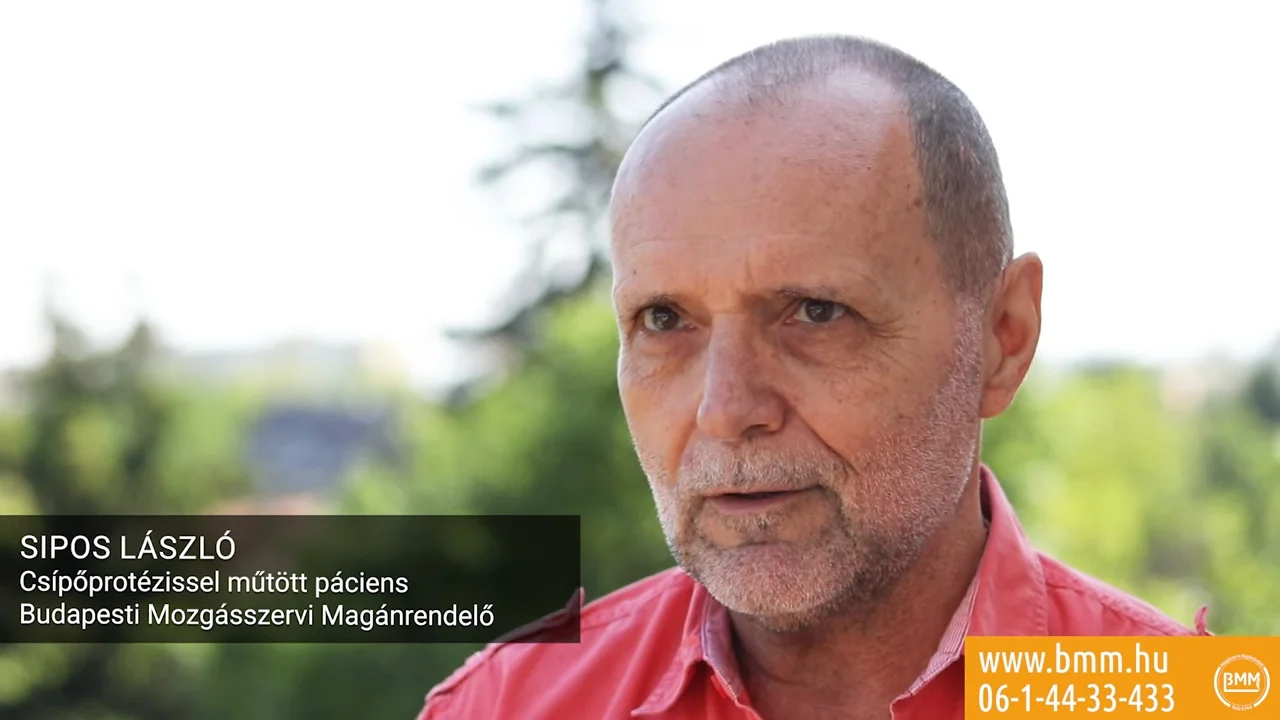
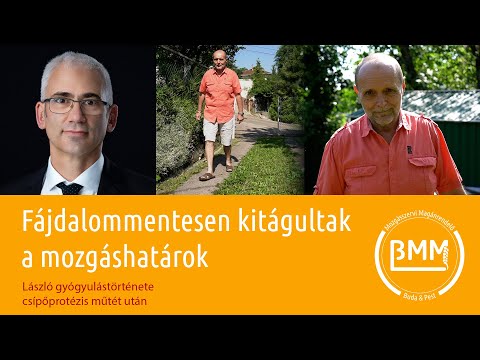
Our patient László Sipos had been suffering from hip pain for a long time. He was able to keep it under control for a long time with conservative treatments, but his range of motion was constantly narrowing, and the complaints intensified over time. Dr. Kálmán Egyed, he turned to an orthopaedic surgeon at BMM, who, according to the patient, “worked wonders”. After the appropriate tests, the surgery was performed using an anterior dissection and a muscle displacement technique. This is particularly beneficial because it speeds up the patient's rehabilitation.
Doctor Egyed is a professional and human rarity!
- says László.
What preceded hip replacement surgery?
László Sipos has been struggling with hip joint pain for more than 10 years, which was initially well controlled with conservative treatments.
I have gained myself 8-10 months with each treatment.
- says László.
Various cartilage substitutes and injections can help for a long time to reduce the discomfort caused by cartilage wear, but after a while they may be ineffective, the pain increases and the quality of life deteriorates - which is when the implantation of a joint implant is considered. László Sipos went to Dr Kálmán Egyed, an orthopaedic traumatologist, with his complaints.
What is front digging?
With the help of the latest techniques and experienced surgeons, hip replacement surgery can permanently eliminate the pain caused by wear and tear. The surgery was performed by Dr. Kálmán Egyed at St. Magdolna Private Hospital using a muscle displacement technique from an anterior approach, immediately after the basic tests and exploration of the hip.
The muscle displacement technique in anterior exploration is a technique where the implant is inserted without damaging the muscles, the surgeon does not cut through anything, does not separate any muscle, even partially, so the rehabilitation is faster. Another advantage is that it can be adjusted to the limb with great precision, making the prosthesis extremely stable and less painful.
After the operation, patients can move brilliantly, have harmonious movement and need fewer painkillers. Faster gymnastics too
- says Dr Kálmán Egyed.
What happens after the operation?
After his hip replacement surgery, László Sipos received help the same day from a physiotherapist who helps patients get back on their feet after the operation, teaches them how to use the temporary crutches and tells them what can and cannot be done with the fresh prosthesis during rehabilitation. Over the next few days, she will teach the correct physiotherapy movements to help the patient regain range of motion and strengthen muscles and joints.
The hospital itself is wonderful, I highly recommend it to everyone
- says László
And I particularly recommend Dr Kálmán Egyed, because I think he is a professional and human rarity.
6 weeks after the operation, a follow-up X-ray examination was carried out, at which time only the use of a cane to help maintain balance was recommended, but the patient could walk, hike or swim.
It was unusual at first to be able to walk up and down the stairs with alternate legs. Three weeks after the operation I was able to do it without a cane or crutches. Gym, gym, gym, exercise as long as I can.
- says the now recovered László.
What is the BMM Prosthesis Audit?
If you are suffering from chronic joint wear and tear, your knees or hips are hurting, movement is becoming increasingly difficult and it is already affecting your life, we recommend a BMM 5-step prosthesis audit!
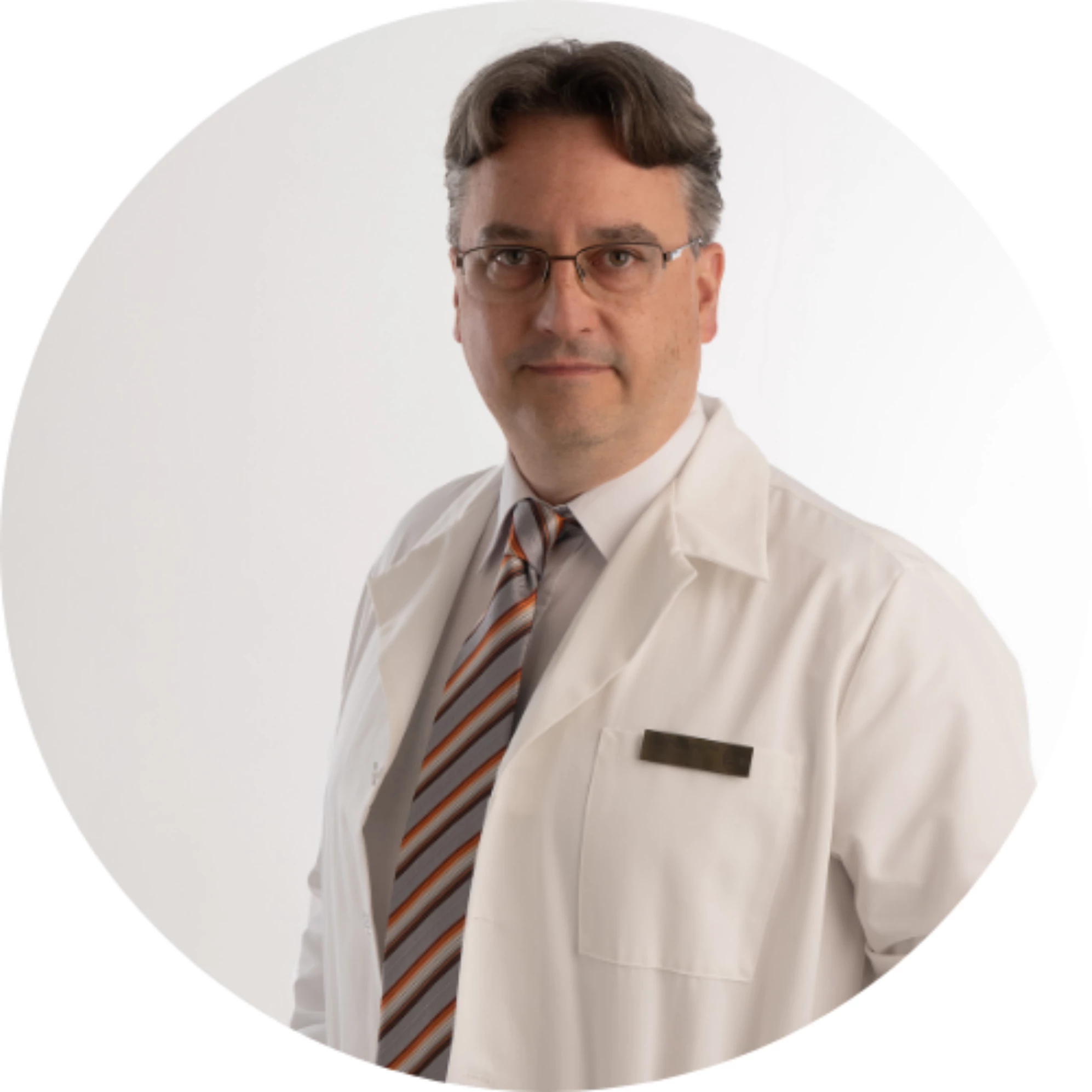
Step 1
Specialist orthopaedic examination + Special X-ray
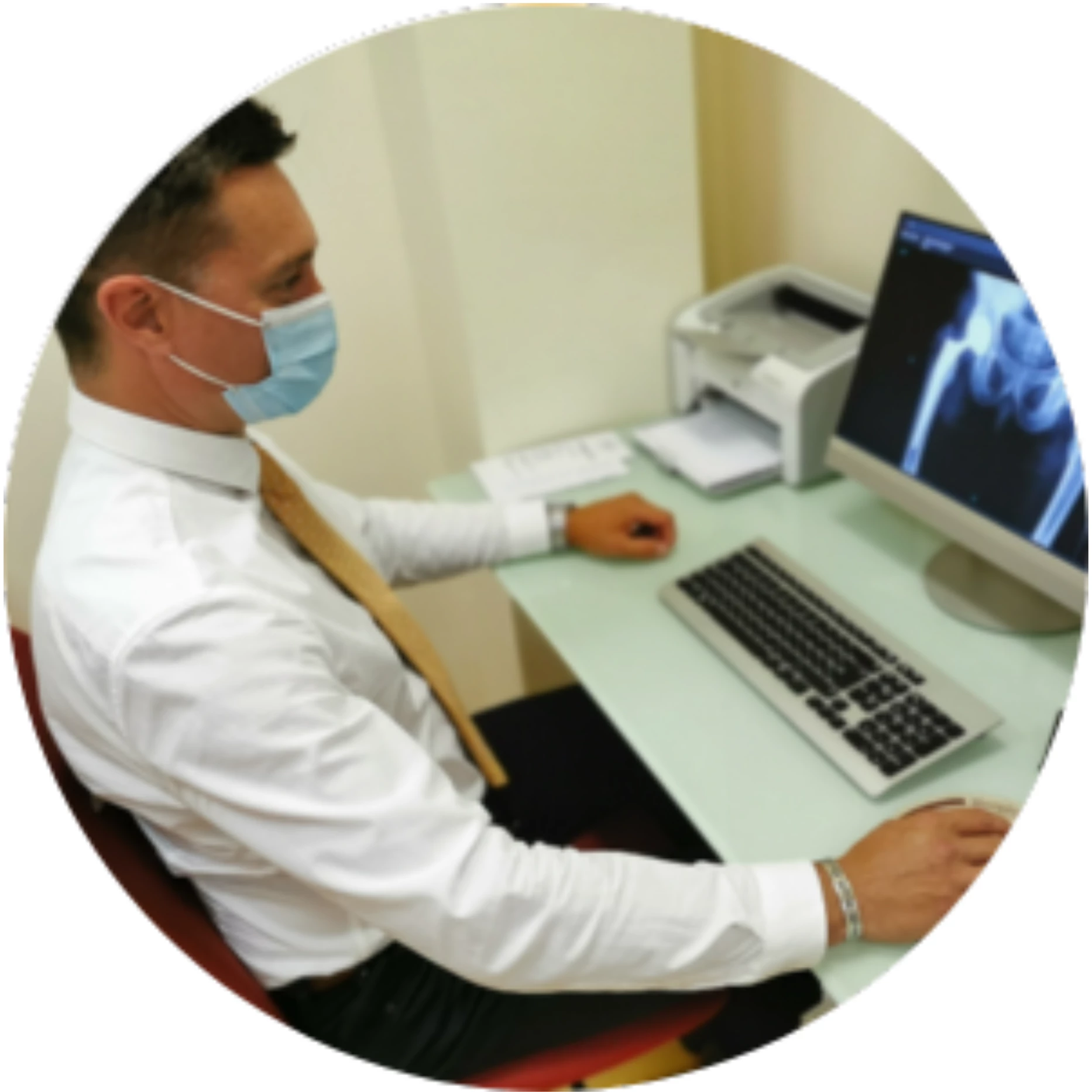
Step 2
Planning: the implant is projected onto the X-ray using special software
Step 3
Implant advice:
Which is the optimal prosthesis for the patient?
Step 4
Examining comorbidities, minimising risks and weighing up benefits

Step 5
Setting the date for surgery
Book an appointment and let the BMM specialists help you!