Diet against osteoporosis
Author Dr. Dóra Mihola | 2020.11.24.


Risks of developing osteoporosis
Osteoporosis is a musculoskeletal disease affecting a large proportion of the population. Only in Hungary about one million people suffer from the so-called “silent disease”, which initially has no symptoms. Osteoporosis is usually triggered by an abnormal fracture: all it takes is a bump or a fall to break the weakened bone structure, which then takes a long time to heal.
In the development of osteoporosis lifestyle and nutrition play an important role. In addition to these, genetic predisposition and other previous illnesses (e.g. cancer, anorexia), treatments (e.g. chemotherapy), surgery (e.g. oophorectomy) and fractures can also affect the onset of the disease. Statistics show that women are three times more likely to develop osteoporosis than men.
Osteoporosis is considered a disease of the elderly, but it is also affecting more and more young people today. Osteoporosis is basically a deterioration in the quality of bone structure, the loss of bone density and an increase in bone fragility.
Risk factors:
- No (women, especially after menopause)
- Age (over 40 years)
- Smoking
- Sedentary lifestyle
- Alcohol consumption
- Coffee consumption
- Inadequate nutrient intake
- Vitamin and mineral deficiencies
The basics of an osteoporosis diet
The basis of an anti-osteoporosis diet is calcium-rich meals. Daily calcium requirements by age:
- In children: 500-800 mg
- Young people and adults: 1000-1200 mg
- During pregnancy and breastfeeding: 1500 mg
- In old age: 1300-1500 mg
In addition to calcium, intake of other minerals and vitamins needs to be increased or restricted. For example, calcium utilisation is facilitated by Vitamin D, Vitamin K, Vitamin C and Vitamin A is. In addition, the formation and maintenance of healthy bone structure is important for magnesium, fluorine, zinc, manganese, copper, iron and lactose is. Of particular importance is the calcium to phosphorus ratio is. At the right ratio (1:1), phosphorus helps calcium to be incorporated into bone, but too much phosphorus will draw calcium away from bone. Vitamin D also plays a leading role in balancing the calcium-phosphorus balance.
Phosphorus should therefore be used with care, with the recommended daily intake for adults being only 700 mg. Unfortunately, the average intake far exceeds this amount: phosphorus is ingested through carbonated and sugary drinks, ready meals, canned food and excessive meat consumption. These should therefore be banned from the diet against osteoporosis.
Calcium utilisation block excessive protein intake, high phosphorus intake, excessive fat consumption, low vitamin D levels, sedentary lifestyle, unbalanced diet, high caffeine and salt intake, smoking, alcohol consumption, and phytic and oxalic acid. The latter two acids inhibit the absorption of calcium in the body. Phytic acid is found in wheat bran and dry legumes, oxalic acid in spinach, salted cabbage, rhubarb and celery.
An important part of the diet against osteoporosis is low-fat cooking technology and equal distribution of nutrients throughout the day. Eating five meals a day is recommended, and foods with higher calcium content should be in the afternoon to consume for better absorption.
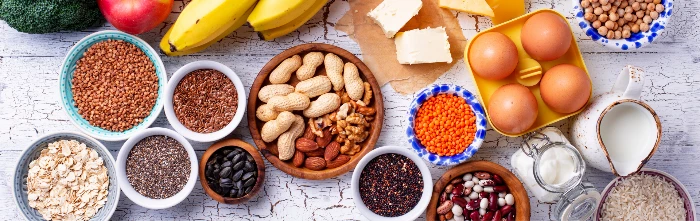
The basic principles of an anti-osteoporosis diet recommended foods: milk, low-fat cheeses and dairy products (except bulk cheese - high in phosphorus), raw vegetables and fruits, fish, nuts, almonds, peanuts, calcium-fortified mineral waters, oils, margarines, eggs, liver, oatmeal.
The role of diet in osteoporosis treatment
The osteoporosis that develops rheumatologist specialist diagnose and set up the necessary treatment plan. The treatment may include drug therapy, but it is particularly important to diet and exercise therapy. Although diet is not a substitute for medication, it is a necessary part of therapy.
Evidence shows that diet and lifestyle play a key role in preventing, stopping and reversing osteoporosis. So diet cannot be excluded from the healing formula.
The role of diet in prevention
Research shows that with a good lifestyle (diet + exercise), there is a good chance of preventing osteoporosis. Bone health is something you should start doing at a very young age: if you develop peak bone mass by the age of 25, your chances of osteoporosis in old age are reduced to a minimum. However, it is never too late to start a preventive diet - the right nutrient intake has a big impact on bone quality at all ages and stages.
What else can we do to fight osteoporosis?
In addition to diet, the following are of particular importance proper movement. Loading the bones and strengthening the musculoskeletal system is essential to prevent fractures. It is best to seek expert help in practicing proper movement therapy: the physiotherapist tailor-made exercises designed to help you in a targeted way. It is also the most recommended form of exercise for osteoporosis and prevention. And after a fracture, physiotherapy is the cornerstone of rehabilitation.
In case of osteoporosis or suspected osteoporosis, please contact the specialist team of the Budapest Musculoskeletal Private Clinic!
Our rheumatologist Dr. Dóra Mihola and our qualified physiotherapists are at your disposal!
At BMM, you are safe: our surgeries have the highest safety precautions and constant disinfection. All our staff are tested weekly for COVID-19 virus, and all our staff are tested negative.
Read on, you may also be interested in these topics:
We believe that free, pain-free and enjoyable exercise is for everyone!
At the Budapest Musculoskeletal Private Clinic, the most qualified orthopaedic specialists and physiotherapists, as well as providing you with the most modern therapeutic treatment options. In Budapest - 3 locations - pleasant surroundings welcome every day of the week.
To register, call +36 1 44 33 433
BMM - Outstanding expertise, a demanding environment and targeted therapy in one place!