Bütyök
2020.01.08.


How and what causes bunions?
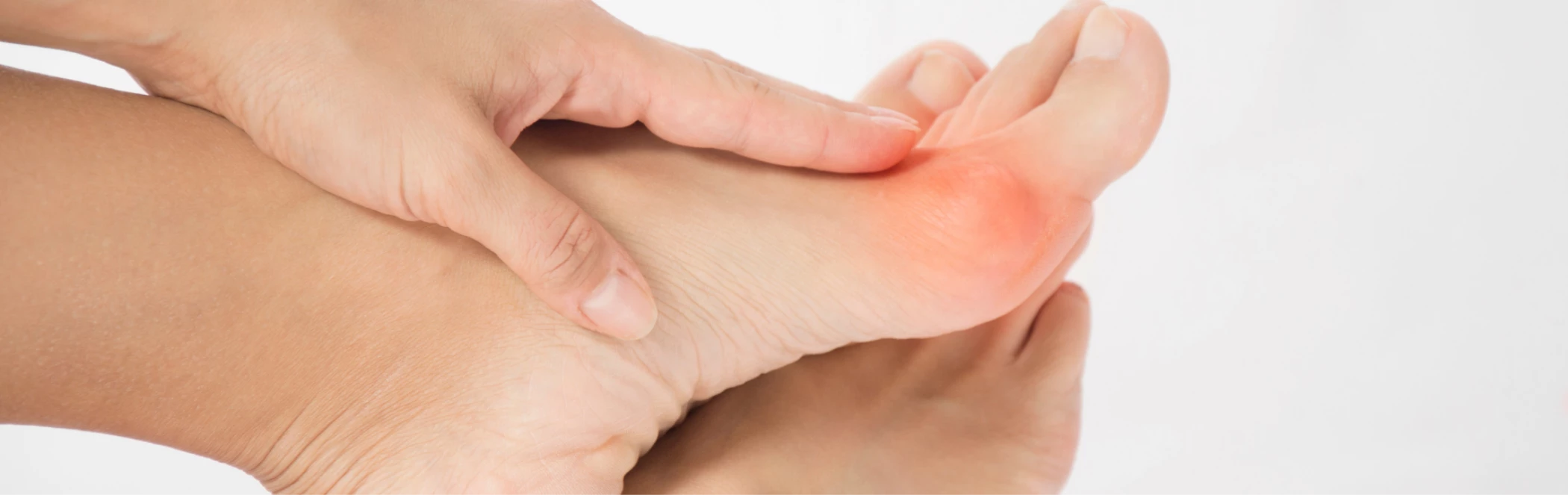
The predisposition to bunions can be hereditary and genetic, but it can also be caused by wearing inappropriate shoes (tight, narrow toe, high heels) or by heavy exercise. It is also a foot deformity that affects more women and can start in childhood, but is more common in older age. In addition, poor foot posture or inappropriate footwear, flat feet or heavy loads such as sports and increased body weight can also cause bunions on the toes. If you have a family history of bunions, it is worth thinking about prevention in advance. Wearing custom insoles and comfortable shoes can help prevent bunions.
The first sign of bunions can be thickening of the skin under the middle toe, walking becomes painful, wearing shoes is uncomfortable, and often the toe can be chafed. This lesion develops due to inadequate, uneven loading of the foot. The metatarsal bones spread out and the plantar fascia sinks down, causing calluses to form. Even at this early stage, it is worth consulting an orthopaedic specialist to avoid more serious lesions. Sometimes painful arthritis of the toe can occur at the same time. Make sure you get an accurate diagnosis from a specialist to avoid a bigger problem.
When is surgery necessary? How can it be avoided?
If walking and wearing shoes are not yet hindered by bunions, then the process of bunion formation can be reversed and stopped by using insoles and wearing comfortable shoes and/or toe correctors. Surgery should not be considered for aesthetic reasons only.
However, if your gait is so painful that it interferes with your daily routine, you can't wear the right shoes, you have painful gait that can affect your whole skeletal system, including your waist and spine, then surgery should be considered. It is important to choose a suitable orthopaedic surgeon who has extensive experience in similar operations, as there are several surgical options available and he or she should recommend the most appropriate solution for the case.
As the bone has to be cut or carved and then fixed, you should be prepared for the healing process to take about 6 weeks, during which time the leg can only be subjected to minimal weight bearing, and it is worth resting it as often as possible with the foot upholstered so that it is at the same level as the heart, thus reducing hydrostatic pressure.
Surgery is effective in the long term, as long as you do not return to the lifestyle that led to the bunion. If you wear custom insoles and avoid tight, uncomfortable shoes, your bunions will not reoccur.